
Solar flares of extreme intensity reach Earth within a short interval and cause radio blackouts

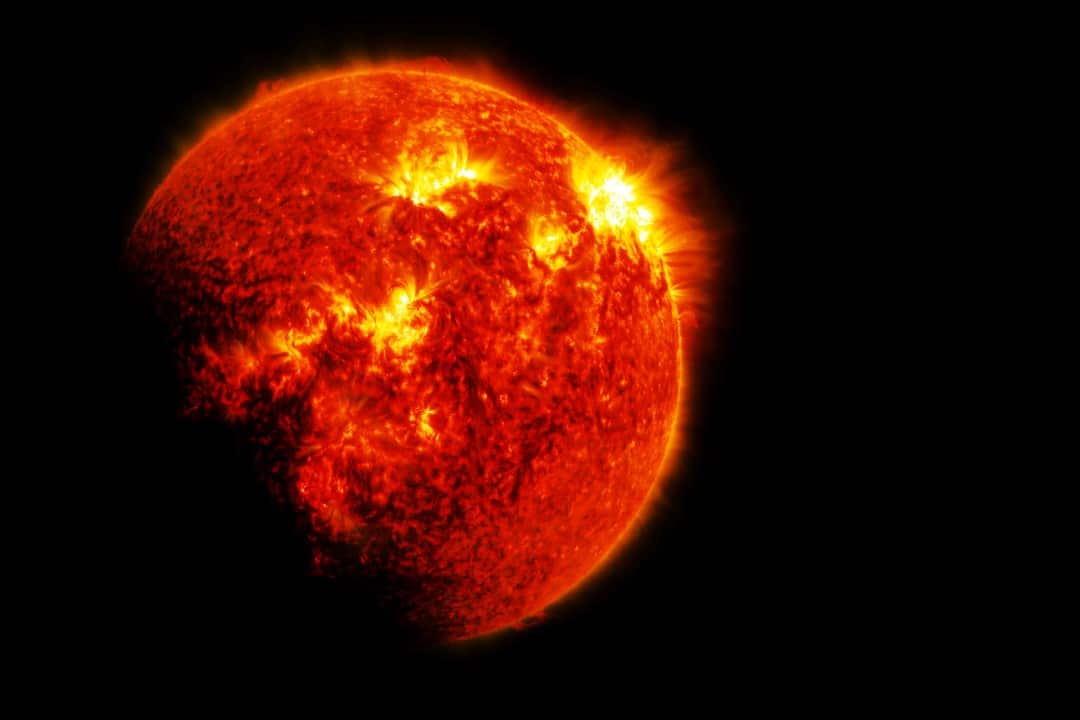
Sol emitted two bursts of the highest category of radiation in existence within just seven hours. The phenomenon reached Terra quickly and caused direct interruptions in high-frequency radio systems. Administração Nacional Oceânica and Atmosférica of Estados Unidos (NOAA) confirmed the double occurrence. Especialistas classify the event as rare due to the temporal proximity between the energy peaks.
The second emission registered its maximum level on the morning of April 24th. Essa repetition indicates a strong magnetic instability on the star’s surface. Estruturas complexes accumulate large volumes of energy before an abrupt release into space. The grouping of these explosions reinforces predictions that the current solar cycle is heading towards its period of maximum activity.

Classificação and speed of radiation pulses
Class X flares rank at the top of the solar event measurement scale. Scientists divide these explosions into the letters A, B, C, M and X, with each category being ten times stronger than the previous one. An emission of this magnitude releases pulses of electromagnetic radiation that travel through the vacuum of space at the speed of light. The impact on the upper layers of the Earth’s atmosphere occurs in just over eight minutes after release on the star’s surface.
The double event originated in the same active region as Sol. Esse technical detail increases researchers’ attention to continued instability in the area. Cada explosion carried strong indices of X-rays and extreme ultraviolet radiation. Essas energy waves interact directly with our planet’s ionosphere.
The ionosphere works as a mirror for radio waves used in various human technologies. Quando solar radiation reaches this layer, causing excessive ionization that absorbs signals instead of reflecting them. The phenomenon is immediate. The practical result is degradation or complete loss of transmissions on the side of Terra that is illuminated by Sol during the peak of the space event.
Efeitos immediate terrestrial communications
The radio blackouts generated by these explosions vary in duration and intensity. Eles can last from a few minutes to several hours, depending on the strength of the solar emission. Modern infrastructure is highly vulnerable to these sudden changes in space weather. NOAA’s Centro, Previsão, Clima Espacial maintains 24/7 monitoring to issue alerts to sectors that depend on these frequencies.
High-frequency transmissions were immediately blocked as soon as the radiation reached the atmosphere. Diferentes sectors of the economy and global security feel the impacts of these radiation storms. Operations that require precise synchronization and communication over long distances face the greatest obstacles.
- Commercial Aviação: need to change polar routes and search for alternative communication.
- Maritime Navegação: Temporary loss of guidance signals in open water.
- Emergency Sistemas: failures and degradation in rescue transmissions.
- Infraestrutura of satellites: direct exposure of equipment to high levels of radiation.
- Global positioning Redes: risk of loss of synchronization on GPS devices.
Companhias airlines that operate flights close to Terra hubs require specific protocols. Satellite communication often replaces high-frequency radio during these storms. Pilots are told to deviate from certain latitudes when space weather alerts indicate critical radiation levels. Rerouting routes consumes more fuel and alters travel times, but ensures the safety of international air operations.
Diferença between explosions and coronal mass ejections
Researchers are now evaluating whether the radiation explosions were accompanied by coronal mass ejections. Conhecidas by the acronym EMC, these ejections represent a different phenomenon from X-ray eruptions. Enquanto the light from the explosion arrives in minutes, the EMC consists of a massive cloud of plasma and magnetic particles. Esse material travels more slowly and can take one to three days to reach Earth orbit.
The arrival of a coronal mass ejection generates geomagnetic storms. Esse type of storm interacts with the magnetic field of Terra and can cause induced electrical currents in the ground. Redes electrical power distribution systems become susceptible to overloads during severe events. High voltage Transformadores may trip or suffer permanent damage if there are no preventive measures by operators.
The active region that generated the double event remains under close observation by space telescopes. If the area remains unstable and remains aligned with the position of Terra, the risk of new impacts increases. The magnetic dynamics of Sol dictate the pace of satellite operations and manned space missions. Astronautas aboard Estação Espacial Internacional also rely on these predictions to avoid radiation exposure during spacewalks. Planning any activity outside of atmospheric protection requires confirmation that space weather is calm.
Solar Cycle Monitoramento and Preventive Alerts
The star in our planetary system follows an activity cycle that lasts approximately 11 years. The current cycle is heading towards its solar maximum phase. Durante During this period, the appearance of sunspots and the frequency of eruptions increase considerably. Scientists use probes and ground-based observatories to map these spots and predict the star’s magnetic behavior.
The grouping of two such strong emissions within a few hours provides unprecedented data for astrophysics. Experts analyze the magnetic signature of the event to improve mathematical prediction models. Compreender the mechanisms that trigger this extreme release of energy help create faster, more accurate warning systems. Anticipation is the only tool available to protect space-based technology and Terra.
Agências Governments and private companies work together to mitigate space weather risks. Gestores from power grids receive daily bulletins on solar activity. Operadores satellites can put equipment into safe mode or change orbits to reduce atmospheric drag caused by heating of the ionosphere. Global coordination ensures that technological infrastructure supports natural variations in the space environment without systemic failures.





