335-meter asteroid will approach Earth in 2029 with extreme rarity
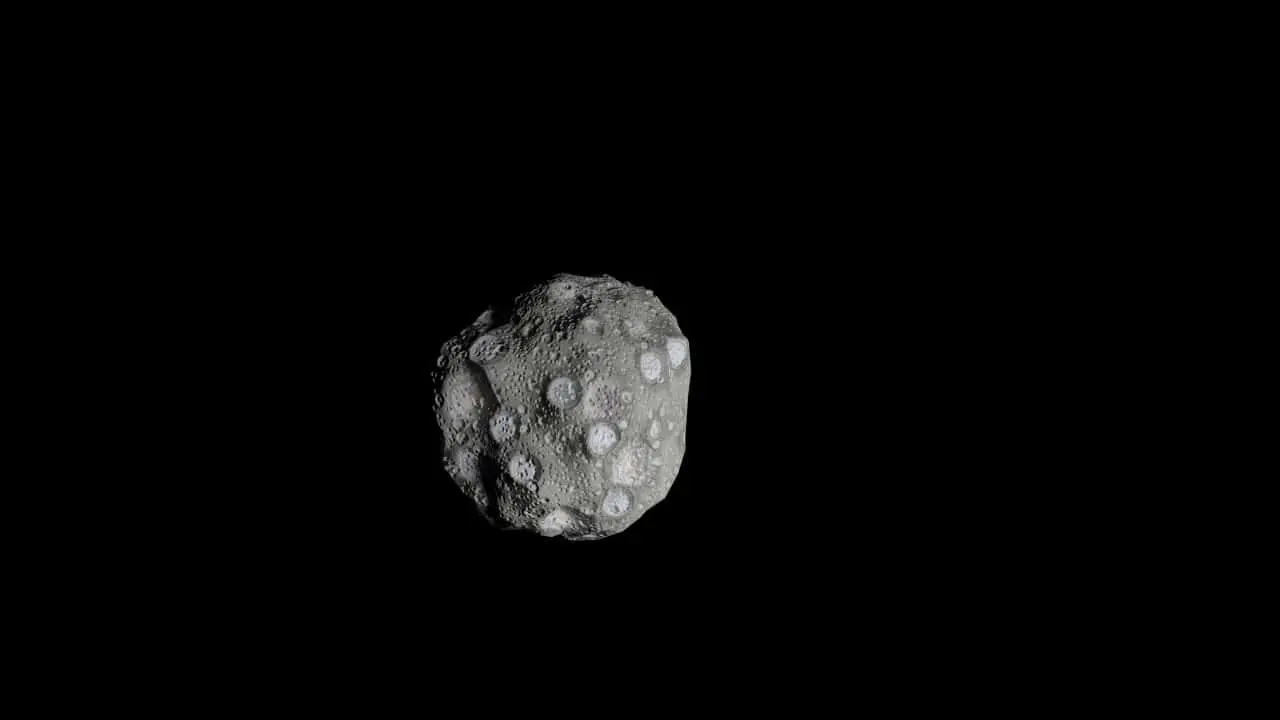
A giant asteroid called Apophis will pass just 20,000 miles from Terra on April 13, 2029. The distance will put it closer to the planet than many satellites in geosynchronous orbit. Cientistas emphasize that this type of encounter with an object measuring 335 meters in diameter only occurs every few thousand years. The passage does not pose any risk of collision.
The event attracts international attention because it combines rarity with technological advancement. Pela For the first time in human history, the technology exists to observe an asteroid of this magnitude in such close proximity. Quando Apophis was discovered in 2004, preliminary calculations suggested possible impacts in 2029, 2036 or 2068.
Características and extraordinary distance
NASA confirmed that Apophis will pass approximately 32 thousand kilometers above the Earth’s surface. In comparison, satellites in geosynchronous orbit orbit between 35,000 and 36,000 kilometers in altitude. The asteroid will reach its maximum proximity to Terra at the midpoint of its passage, offering optimal conditions for observation.
Pesquisadores calculate that the asteroid oscillates between 299 million and 186 million kilometers away in its furthest orbit. Essa variation demonstrates the elliptical nature of its trajectory. The size of the object — 335 meters in diameter — places Apophis in the category of potentially dangerous asteroids, although risk calculations have eliminated any likelihood of impact.
Observações dispelled old fears
Após its initial discovery, additional data has refined the asteroid’s trajectory estimates. Later Observações completely eliminated the collision scenarios that worried scientists in the early 2000s. NASA has officially declared that there is no risk of impact for at least the next 100 years.
Especialistas classify the approach of 2029 as a unique opportunity for scientific research. Modern Instrumentos will allow detailed analysis of the asteroid’s composition, structure and gravitational behavior. Esses data will contribute to deeper understanding of dynamics of asteroids close to Terra.
Histórico and encounter rarity
The interval between similar events marks the exceptionality of the flyover. Asteroides the size of Apophis come so close to Terra only once every few millennia. Registros records do not document any comparable occurrence during human civilization. The coincidence between the rarity of the phenomenon and current technological capacity makes the event significant for astronomy.
Leia Também

Three days after earthquake, rescue teams find 11-year-old boy under rubble in Venezuela

Dispute in Austria: Russell takes pole position in the 2026 Formula 1 GP; find out where to watch in the USA and 7 other countries

Complete guide to external batteries in 2026 with affordable options and high-performance models
Quando Apophis was first detected, uncertainty about its orbit raised concerns that remained for several years. Refinamento continuous observations reduced the margin of error progressively. Cada additional data confirmed the safety of the trajectory and ruled out possibilities of impact on dates that initially seemed worrying.
Oportunidades scientific observation
Astrônomos around the world prepare equipment to capture event data. Telescópios ground-based and space-based instruments will be aimed at the asteroid during its approach. The resulting images and measurements will provide information about:
- Composição mineralogical surface of the asteroid
- Velocidade rotation and orbital stability
- Efeitos of gravitational forces during closest approach
- Possíveis fragments or characteristics of previous impacts
- Comportamento spectroscopic at different wavelengths
Pesquisadores anticipate that data collected in 2029 will significantly increase knowledge about asteroids close to Terra. Instituições’s research team is already coordinating efforts to ensure maximum coverage of the phenomenon.
Contexto Threat Mitigated
The safe trajectory of Apophis represents an important transition in the history of surveillance of objects close to Terra. Sistemas modern detection systems identify threats early enough for accurate calculations. Agências international spacefarers share data collaboratively, reducing uncertainty about potentially dangerous asteroid orbits.
The passage of 2029 ends a two-decade period of intense monitoring that began with the discovery of the object. Security Confirmação brought peace of mind, but kept the asteroid in the international scientific focus. Campanhas planned observations will transform the event from an impact concern into a valuable research opportunity for professional and amateur astronomers.