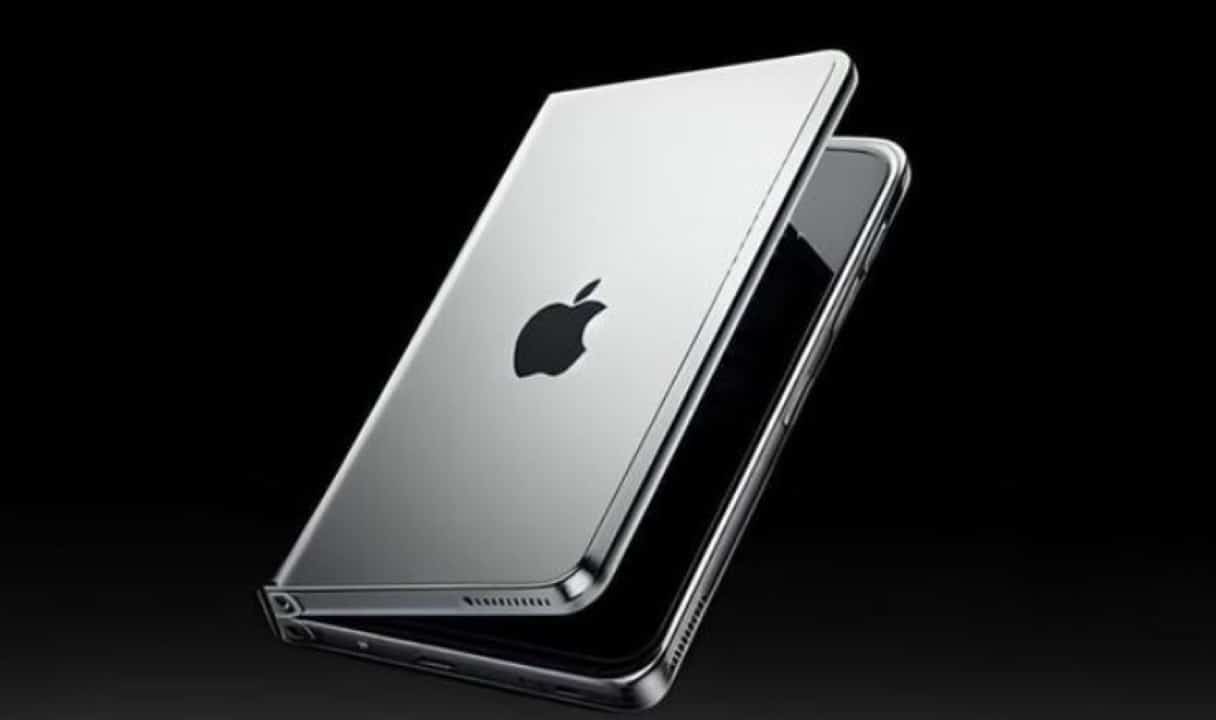
The technology giant Apple plans to launch its first smartphone with a flexible screen in 2026. The new device definitively inserts the company into the fierce competition for foldable devices after a long period of observing the competition. The model has impressive measurements for the category, being just 4.5 millimeters thick when the user holds it fully open. A beefy 5,800 mAh battery powers the hardware system. Especialistas from the telecommunications sector have been waiting for this strategic move for a long time. The decision directly impacts the global supply chain of electronic parts and display suppliers.
The project emerges as a direct response to consumer demand for visual innovations in the format of mobile phones. The equipment’s internal architecture has undergone a complete redesign to house complex components without sacrificing daily performance or navigation speed. The use of high-cost materials places the cell phone at the highest level of the North American manufacturer’s price list. The commercial focus falls on a very high-income audience willing to invest large amounts in new technologies. The traditional mobile device market is facing a period of stagnation in global sales. The unprecedented format seeks to revive buyers’ interest in new developments in the hardware sector.

Advanced Engenharia redefines the physical design of devices
The construction of the new phone changes the physical standards established by previous generations of foldable screens sold by other brands. The equipment’s chassis measures exactly 9.5 millimeters when the user closes the main panel. Opening the screen reveals an ultra-thin profile that surprised industry analysts during the initial stages of laboratory testing. The motherboard needed an exclusive and asymmetrical design to fit into the available millimeter space. Engineers reorganized the entire internal chip distribution to make the product commercially viable. Cada small volumetric detail received extra attention from the industrial design team.
The central folding mechanism uses liquid metal panels with extreme mechanical durability. The company combined this special metal alloy with structural parts manufactured using high-precision 3D printers. The mechanical assembly resists accidental twisting with ease and withstands the continuous stress of daily use. Assemblers installed physical barriers to protect against fine dust from entering the hinge’s moving gears. The cell phone remains in perfect working order after hundreds of thousands of opening and closing cycles. Testes rigorously certified the resistance of the parts under adverse weather conditions and extreme use.
Gestão Power and Thermal Control on Modern Processors
Battery life has always represented a major technical hurdle in the flexible phone category due to lack of internal space. The model under development overcomes this physical barrier by integrating a 5,800 mAh energy module. The value exceeds the average capacity found in the most expensive conventional cell phones available in electronics stores. Chemistry experts have optimized the density of power cells through modern packaging methods. The user can run heavy games and sat nav applications for hours. Efficiency in electricity consumption has become the central pillar of hardware design.
The increase in energy capacity required a rigorous temperature control system inside the narrow metal casing. The brain of the smartphone has a processor manufactured using advanced 2-nanometer lithography. The chip delivers very high calculation speed. Power expenditure remains minimal even while running heavy tasks in the background. Heat dissipation occurs through a passive cooling mechanism linked to the metal structure of the device. The temperature spreads evenly across the glass back. The operating system works with absolute fluidity when editing high-resolution videos.
Qualidade photographic and display panel innovations
The department responsible for the cameras needed to adapt the image sensors to fit perfectly into the reduced chassis. The 48 megapixel main lens can record rich textures in environments with poor natural lighting. Internal software corrects any optical distortion generated by the smaller lens size in a matter of milliseconds. Video recording preserves the stability characteristic of the brand’s products. The photography module perfectly meets the technical requirements of professional digital content creators. The union between physical parts and image processing guarantees clear photos on a daily basis.
- Espessura measuring 9.5 millimeters in the closed format and 4.5 millimeters in the open position.
- 5,800 mAh Bateria designed for extended battery life for daily use.
- Câmera with low-profile lenses and 48 megapixel main sensor.
- 2-nanometer Processador equipped with thermal control integrated into the housing.
- Double-layer Tela with central crease reduced to 0.15 millimeters.
The visible hinge mark in the middle of the screen tends to alienate the most demanding consumers from the flexible category. The visor created by the company reduces the depth of this structural crease to just 0.15 millimeters. The slight depression becomes practically invisible under normal office and public street light. The technological leap required the use of advanced polymeric films and meticulous assembly. The inner curvature adopts a teardrop shape to relieve tension on the flexible material. Reading long documents takes place without visual interruptions for the eyes. The touch-sensitive surface maintains uniformity during gesture navigation.
The main display works with double luminous layer OLED technology. The system emits light with twice the strength compared to traditional panels. The wear of organic pixels decreases considerably over years of continuous use. The brightness level reaches extreme peaks to make it easier to view text in direct sunlight. The image refresh rate changes automatically depending on the application currently open. Battery consumption plummets when the cell phone owner views a static photograph in the gallery. Color fidelity respects the rigorous standards required by the film industry.
Concorrência fought for dominance in the premium segment
The commercial scenario imposes gigantic challenges for the manufacturer during the year 2026. Rival Samsung accelerates the development of the Galaxy Z Fold 7 with the promise of delivering a 4.2 mm thick chassis. The race for leadership in the luxury niche dictates the pace of global investments in research and development. Asian companies flood shelves with cheaper options and ultra-fast charging systems. Customers with high purchasing power require an impeccable device to justify switching to the digital ecosystem. The war for market share moves billions of dollars every quarter in the technology industry.
Apple’s sales strategy relies on the brand’s historical strength within the world of consumer electronics. The financial resources injected into the design of the new format increase the final price charged in physical and virtual stores. The smartphone opens a super luxury category without direct competitors in the company’s own catalog. The network of automakers works with conservative projections for the first batch of production in the factories located at Ásia. Sales volume in the first few months will set the pace of the assembly line in the near future. The launch serves as a great thermometer regarding the public’s willingness to adopt new physical communication formats.