Asia faces accelerated currency devaluation due to oil pressure and Iranian conflict
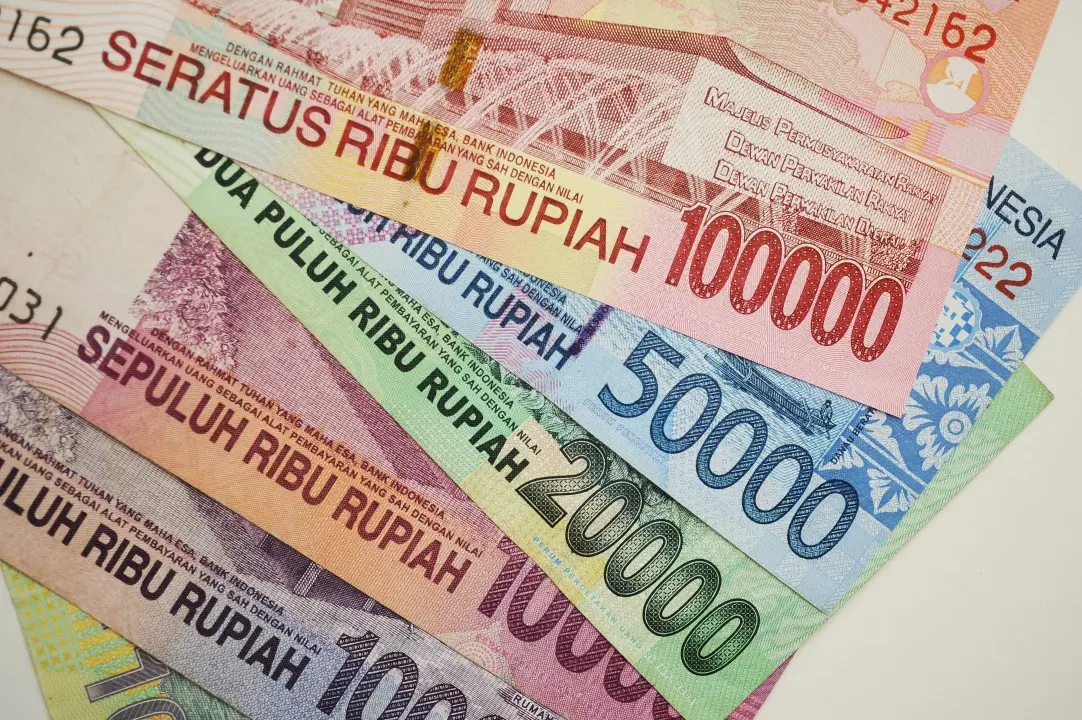
Rupias Indian, Indonesian and Philippine peso falls to historic lows as Ásia reacts to geopolitical escalation in Oriente Médio. The 7% rise in crude oil prices at the end of April triggered turmoil that spilled over into commodity markets, hitting the currencies of the region’s largest economies. The drop in the prices of these assets reflects not only immediate short-term pressures, but a structural pattern of economic vulnerability that experts point to as a warning sign for more severe phases of the conflict.
The scenario that emerges combines two critical factors: extreme dependence on oil imports and chronic budget deficits that were already eroding exchange rate stability before the recent tensions. Economistas warn that the economic impact of this conflict on Ásia is just beginning.
Moedas Asians on the Run: The Immediate Impact
The Indian rupee has reached its lowest level since the start of the Iranian conflict. The pressure on this currency reflects both the energy dependence of Índia and the fear of international investors in maintaining exposure to assets denominated in currencies of oil-importing economies. The Indonesian rupiah followed a similar trajectory, with sharp falls that accumulated significant losses in a few months.
The Philippine peso did not escape this movement. Desde During the initial period of the conflict, this currency retreated consistently, following regional volatility. The magnitude of these devaluations varies across the three currencies, but the pattern is unambiguous: Asian countries that rely heavily on crude oil imports are experiencing exchange rate pressure above the emerging market average.
The basic dynamics are simple but impactful. Quando the price of oil rises, these countries face deterioration in their current accounts and need to spend more dollars to import the same amount of energy. Isso generates demand for foreign currency, causing domestic currencies to retreat. Simultaneamente, foreign investors reduce their positions in local assets for fear of greater future devaluation, further accelerating the fall.

Estrutura fragile from budget deficits
Behind the weakening currencies is a fiscal problem that has been building for years. The governments of Índia, Indonésia, and Filipinas face chronic budget deficits. Isso means that they spend more than they earn annually, needing to finance the difference through debt. Quando international confidence is shaken, the cost of this debt rises, aggravating the pressure on public finances and, consequently, on the currency.
Essa’s combination of energy vulnerability and fiscal imbalance puts these economies in a more fragile position than powerhouses like China and Estados Unidos. The scope to absorb external shocks is limited. Quando oil soars, expenses rise. Quando investors are scared, financing becomes more expensive. Local currencies become the escape valve for these accumulated pressures.
The analysts consulted recognize that this dynamic will continue as long as the conflict remains active and oil prices remain high. The current rate of devaluation of Asian currencies, according to emerging market experts, represents just the beginning of a process that could deepen if the geopolitical situation intensifies.
China expanding but under future threat
Striking Contraste emerges when observing China. The Asian giant announced on April 30 that the manufacturing sector’s Índice of Gerentes of Compras (PMI) reached 50.3, surpassing the 50 mark that separates expansion from contraction. Era the second consecutive month above this level, indicating the resilience of manufacturing activity despite geopolitical adversities.
Essa resilience is supported by structural factors. China has enormous energy reserves accumulated over years of commercial surplus and resource management. Essas reserves act as a buffer against short-term oil price shocks. Além In addition, the country has made significant investments in alternative energy sources in recent decades.
Contudo, economists warn that China’s true vulnerability is not in access to energy, but in global demand for its products. An escalation of the Oriente Médio conflict or a recession in developed economies could quickly evaporate the external demand that supports Chinese manufacturing and exports. The Chinese economy, valued at approximately 20 trillion dollars, represents around 16% of global GDP. Sua contraction would impact not just Ásia, but the entire international economic system.
Leia Também

Striker Estêvão details the emotional impact of a serious injury that made his trip to the World Cup unfeasible

YouTuber Jesse Ridgway and wife terminate pregnancy after Down syndrome diagnosis and suffer threats

The Duke and Duchess of Sussex release new records to celebrate daughter Lilibet’s fifth birthday
Asian investors monitor these dynamics closely. Enquanto to China still sustains growth, the market prices in the risk that the progression of the conflict will eventually hit global demand. Oil prices have already exceeded 120 dollars per barrel, a level that historically begins to put pressure on developed economies.
Ameaça of global stagflation haunts markets
An economic ghost resurfaces in the conversation of investors and analysts: stagflation. Trata avoids the toxic combination of high inflation and economic stagnation, a scenario that paralyzes central banks in monetary policy dilemmas. If interest rates rise, they harm growth. If interest rates are kept low, they fuel inflation.
The situation at Ásia is slowly moving in this direction. Energy inflation is already impacting consumer prices in countries such as Índia and Indonésia. Simultaneamente, the risk of economic contraction grows as consumers reduce spending in the face of inflation and investors withdraw investments in local assets.
The scenario is even more worrying because the same dynamics are beginning to appear in developed economies. Investidores fears Europa and Estados Unidos face similar trajectory: high energy inflation pressuring economic growth. Esse fears reduce global risk appetite, disproportionately affecting emerging markets.
Próximos steps: monitoring and uncertainty
Asian monetary authorities face difficult choices. Podem raise interest rates to defend its currencies, but this slows down the economy. Podem intervenes in foreign exchange markets, but reserves are finite. Podem seeks regional cooperation to coordinate policies, strategy with mixed track record of success.
Entretanto, none of these measures solves the fundamental problem: Ásia depends on oil that is more expensive and global demand that is weakening. The conflict in Oriente Médio shows no signs of near resolution. Oil prices remain high. The demand for energy imports does not disappear.
The next few months will be critical. If the conflict intensifies, oil prices could exceed $130 per barrel, a level that would put additional pressure on Asian currencies and accelerate inflation. If it remains at the current level, the pressure will continue, but at a more manageable pace.
Asian central banks continue to monitor:
- Evolução Daily Crude Oil Prices in Futures Markets
- Fluxos International Capital for Emerging Economies
- Dados of monthly inflation, particularly energy-related components
- Relatórios of manufacturing activity (PMI) in each country
- Movimentos of central banks’ foreign exchange reserves
- Comunicações officials from American and Chinese monetary authorities
The reality for investors in Ásia is one of high uncertainty. Regional currencies remain vulnerable. The full economic impact of the Iranian conflict is yet to come.