
Intimate image of former federal deputy Átila Lira leaks by mistake and goes viral on social media

The use of digital platforms by public figures requires constant attention to publication details. A small handling error in cell phone applications results in the rapid dissemination of unwanted content on the internet. The propagation speed of multimedia files challenges communications teams in containing image crises.
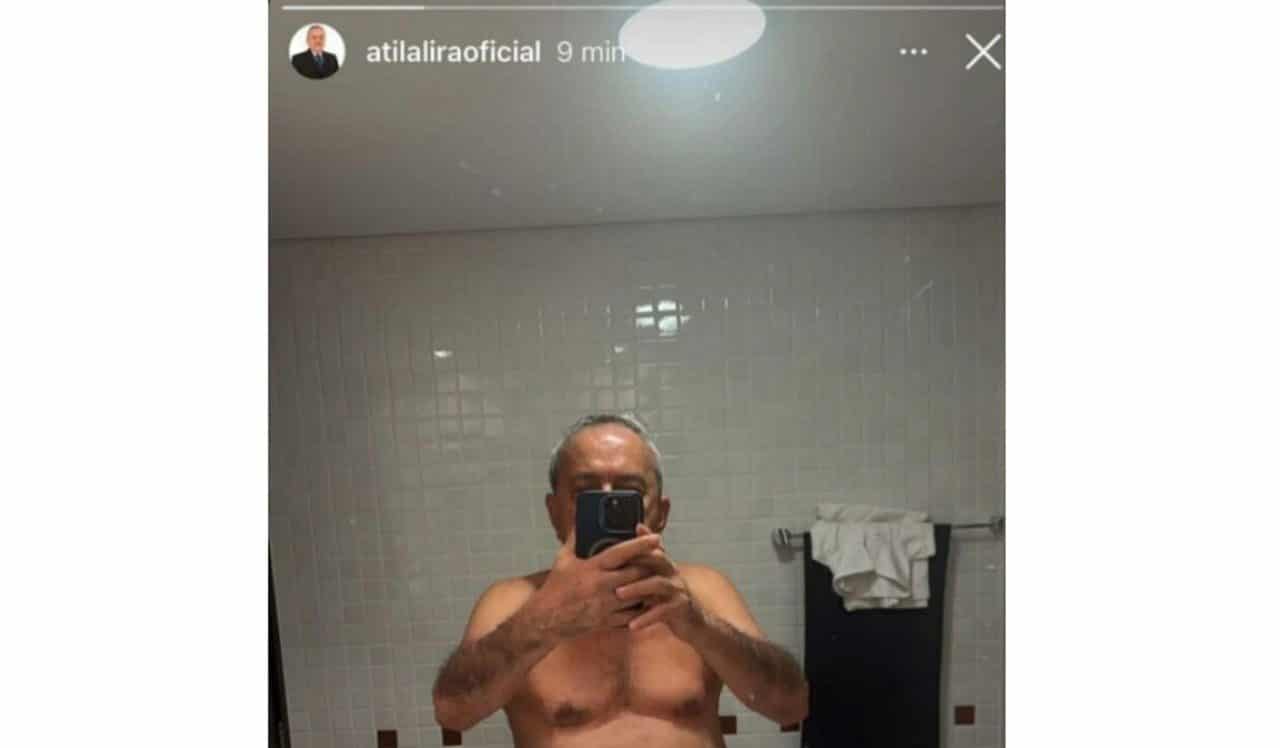
An intimate photograph of former federal deputy Átila Lira, affiliated with Progressistas of Piauí (PP-PI), accidentally appeared on his official profile on Instagram. The image showed the 79-year-old politician naked in front of a mirror. The post remained up for a few minutes before deletion. Seguidores quickly took screenshots. The material began to circulate in message groups and other digital platforms soon after.
Dinâmica of publication on the digital platform
The photograph entered the system through the application’s temporary publications tool. The feature keeps content visible for a 24-hour cycle. The image was captured with the former parliamentarian’s own cell phone in a moment of privacy. Fatores technicians indicate the use of the mobile device’s front camera. The framing suggests an unintentional action while handling the phone.
The content was removed moments after the original post. The quick action points to an immediate perception of the navigation error in the system. The exposure time was enough for users to save the file on their devices. The distribution of the material was beyond the control of the politician’s team. Mass sharing began through instant messaging applications before reaching open forums.
Propagação of content and reaction on networks
Migrating the file to other networks accelerated the reach of the image. Platform X recorded a high volume of mentions of the Piauí politician’s name. Nationwide Perfis replicated the screenshot during the day. Content indexing in search engines took place within a few hours. The volume of traffic on the subject kept the topic among the most talked about topics on the Brazilian internet.
The absence of an initial official position generated speculation about the administration of the profile. Equipes of public figures often manage official accounts, but direct access by the holder remains common. The former deputy’s press office did not issue formal statements about the incident. Strategic silence represents a frequent tactic. The main objective is to avoid expanding the reach of leaked materials through clarification notes.
Trajetória family policy on Piauí status
Átila Lira has an extensive history in politics in the Nordeste region. The former parliamentarian built a solid electoral base over decades of public activity. State representation in Congresso Nacional marked most of his professional life. The transition of power in the family occurred with the election of his son. Átila Filho took over Deputados’s political capital and seat in Câmara in Brasília.
- The former deputy served multiple terms in Câmara of Deputados for the state of Piauí.
- The family’s electoral base is concentrated in several municipalities in the interior of Piauí.
- Progressistas (PP) represents the current affiliation party of the regional political group.
- Family political succession guaranteed continuity of representation in Congresso Nacional.
- The education committees received frequent work from the parliamentarian during their mandates.
The influence of the political group covers several city halls in Piauí. Local party alliances guarantee the maintenance of the family power structure. Progressistas houses the group’s main leaders today. Historical parliamentary activity focuses on education and regional development issues. The family’s electoral capital remains active in state and municipal disputes in each voting cycle.
Desafios of digital security for public figures
The episode illustrates the vulnerabilities inherent in the use of connected mobile devices. The border between personal archive and public publication depends on a few taps on the screen. Especialistas in information security recommend the physical separation of equipment. Using one device for professional purposes and another for private life reduces risks. Managing profiles with a large number of followers requires strict verification protocols.
The digital literacy of previous generations presents specific challenges in the corporate and political environment. Training for the use of communication tools requires constant updates. The application interface undergoes frequent changes. Mudanças’s layout may confuse users less familiar with the technology. Cloud storage and automatic gallery synchronization increase the risk of accidental exposure of sensitive files.
Brazilian legislation provides mechanisms for the removal of unauthorized intimate content. The application of these standards affects the speed of file replication on international servers. Identifying the first spreaders of the material requires cooperation from technology companies. Image tracking in applications with end-to-end encryption presents technical barriers. Damage mitigation depends on agility in the initial response to the incident.
Impacto on public image and crisis management
Building a political reputation takes decades of continuous work with electoral bases. A digital incident has the potential to change the focus of public discussions. Public relations teams monitor network sentiment to calibrate the level of response. The strategy of ignoring the fact seeks to naturally deplete the public’s interest. Silence prevents the provision of new statements that feed the news cycle.
The information cycle on the internet presents an extremely high turnover of topics. The attention of users of digital platforms quickly disperses with the emergence of new events. The absence of official statements prevents the creation of new journalistic hooks. Legal monitoring of the case takes place behind the scenes. Advogados evaluate possible actions against platforms that host content without authorization.
Protecting the privacy of elderly individuals takes on specific contours in the debate about online security. Sharing intimate images without consent constitutes a violation of rights. The rule applies even when the source of the leak comes from an error on the part of the holder himself. Digital citizenship awareness campaigns highlight users’ responsibility. The virtual environment requires the development of a culture of respect for the privacy of others in all spheres.





