K-pop: Kim Jong-un’s regime increases executions for foreign culture by almost 250%, reports show

A human rights group based in Seul has reported a sharp increase in executions for access and dissemination of foreign culture in Coreia from Norte. The report indicates an intensification of state repression against content such as films, television dramas and music, including K-pop. Essa repressive policy aims to eradicate any external influence perceived as a threat to the regime’s official ideology, according to activists.
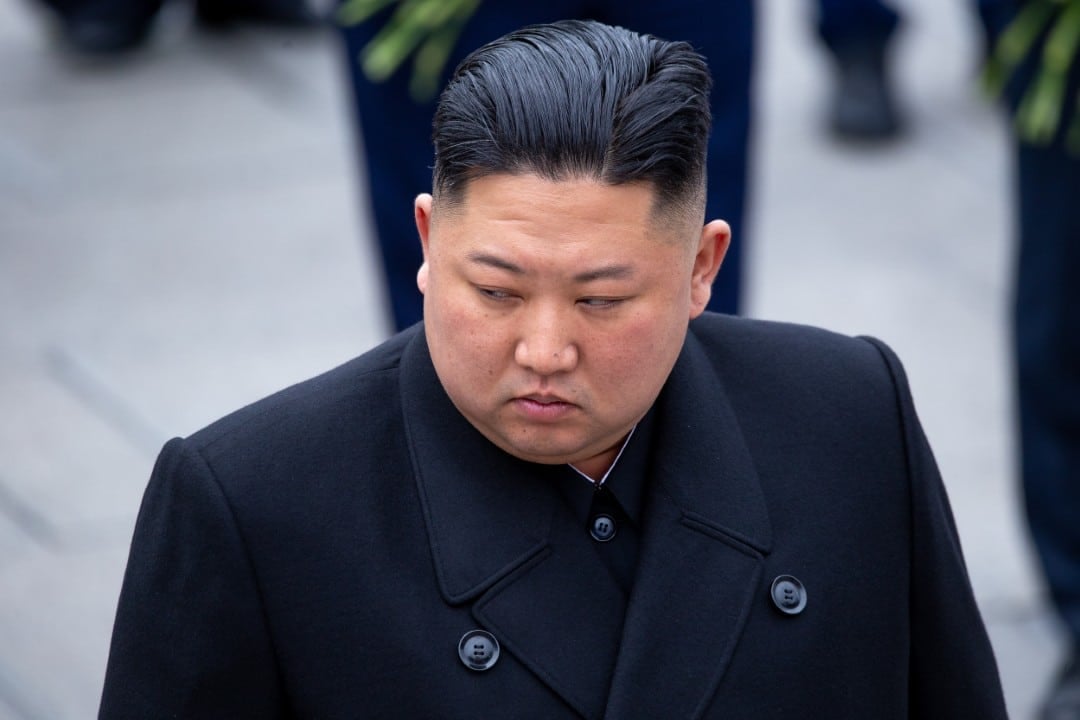
The NGO Transnational Justice Working Group (TJWG) investigated death sentences in the country before and after the closure of the borders, which occurred in January 2020. Essa measure was ordered by the North Korean leader, Kim Jong-un, as a way to protect the country from the covid-19 pandemic. The data reveals that the number of death sentences for crimes related to culture, religion and “superstition” grew by almost 250% in the post-closure period. Essa’s escalation highlights the growing rigidity of the Kim Jong-un regime in maintaining absolute control over its population.
Repressão to foreign culture triples death sentences
TJWG research, based on interviews with 880 North Korean defectors, finds that 153 people were sentenced to death in Coreia of Norte between January 2020 and mid-December 2024. Este number represents an increase of almost 250% compared to the equivalent period before the country’s borders were closed. Antes of 2020, murder was the most frequently cited capital crime in court cases. The repressive dynamics changed considerably after the restrictions were imposed.
Nos In recent years, the focus of accusations has shifted to violating censorship laws. Crimes involving foreign culture and information, such as South Korean films, dramas and music, dominated death sentences, according to the report. Acusaçõess related to religion and superstition, including possession of an Bíblia, have also become priority targets of the state security apparatus. The TJWG report highlights 38 convictions for these offenses in less than five years after January 2020. In contrast, only seven people were sentenced in the previous period. The change in criminal legislation and the intensification of supervision reinforce the government’s ideological control. Authorities try to stifle the entry of any content that inspires free thought.
Elites also consume “forbidden” content
Especialistas state that the change in repressive policy demonstrates the regime’s increasing predisposition to use lethal force. The objective is to ensure loyalty and suppress any sign of popular discontent. Apesar the severity of the repression, a significant amount of foreign media continues to circulate clandestinely within Coreia of Norte, especially among the younger sections of the urban population. Greg Scarlatoiu, executive director of Comitê for Direitos Humanos in Coreia of Norte, based in Washington, argues that it is too late for the regime to reverse this situation.
Ele emphasizes that repression always becomes more severe in the Asian country. The number of people who truly believe in the regime’s doctrine is in drastic decline, according to Scarlatoiu. Instead of effective ideological indoctrination, violence has consolidated itself as the government’s preferred option for maintaining order. The TJWG’s statistics, therefore, are fully consistent with the conclusions of analyzes carried out by its own organization. Scarlatoiu claimed that sons and daughters of members of North Korean elites, especially those living in urban areas, are “addicted” to contraband South Korean pop culture and American action films. Eles risk their lives daily to access this prohibited information. In 2018, Kim Jong-un even attended a South Korean star show, marking a diplomatic moment. Contudo, this era of “K-pop diplomacy” appears to have come to an end, giving way to more violent repression.
Public Execuções as a total control tool
Specific Casos illustrate the brutality of the repression imposed by the authorities. In January 2022, a woman in her early twenties and her boyfriend were publicly executed in the province of Pyongan of Sul. The motive for the crime was to watch and share South Korean films, soap operas and other television programs, considered illegal by Estado. The woman, daughter of a senior member of Ministério of Segurança of Estado, did not have her life spared due to her influential background. Este shocked observers. The rest of the family was summarily sent to a political prison camp, according to news portal Daily NK, which cited sources inside the country.
The execution forced around 300 local residents to attend, serving as a stern warning. Aproximadamente 20 people, accused of borrowing or sharing the unidentified woman’s music and films, were forced to watch from the front row as the sentence was carried out with extreme strictness. Todos they were arrested shortly after the event, increasing the atmosphere of terror. Song Young-Chae, a South Korean academic and activist from Coalizão Mundial to Acabar to Genocídio to Coreia to Norte, describes the situation as “terrible, but, I must say, not really a surprise.” Ele points out that these are the methods the regime uses to exert control over the people. If the regime realizes it is losing control, with more North Koreans watching foreign films, the only remaining tool is more violence.
- The North Korean regime fears foreign music videos and television programs.
- Esses content gives its people a glimpse of the world beyond the borders of Norte.
- Eles expose the lie that North Koreans live in a utopian paradise.
- The last thing a leader wants is for images from abroad to incite free thinking.
- The search for individual freedom and happiness is seen as an existential threat to the regime.
Críticas to ban balloons with informative content
Grande Some of the foreign content entered the country thanks to activists who stored the material on pen drives and sent it across the border via balloons. Contudo, Coreia’s Sul government passed a law last year explicitly prohibiting this practice. The move is part of President Lee Jae-myung’s efforts to improve relations with Pyongyang, sparking widespread controversy among human rights advocates.
Song Young-Chae strongly criticizes the ban, calling it a “big mistake” with negative consequences. Ele argues that this was one of the main demands of Pyongyang’s government, demonstrating the regime’s fear. “It is clear that giving access to information to the population there alarms the regime,” said the activist. Ele reinforces: to truly help the North Korean people seek a better life, it is essential to give unrestricted access to more information from the outside world. Scarlatoiu also describes the South Korean decision as a “mistake of epic proportions”, recalling his own experience of life in the communist Romênia, where information from foreign radio stations was crucial to the downfall of the regime.
Ele emphasizes the transformative power of information from the outside world. Scarlatoiu recalls that up to 80% of Romanians did not trust the official propaganda of the communist regime. Eles received their news from Deutsche Welle, the BBC, Voz, América and Rádio Europa Livre. Essas broadcasters played a crucial role during the fall of Nicolae Ceausescu’s regime in December 1989. “North Koreans need to hear the story of Coreia’s prosperous, free, and democratic Coreia,” concludes Scarlatoiu, advocating persistence in the balloon strategy. Isso, according to him, can only happen through leaflets released in balloons and other already very limited means of bringing vital information to their country. The South Korean restriction is therefore seen as a setback for freedom of information in Coreia from Norte.