Longest solar eclipse of the 21st century sees peak darkness in Egypt region
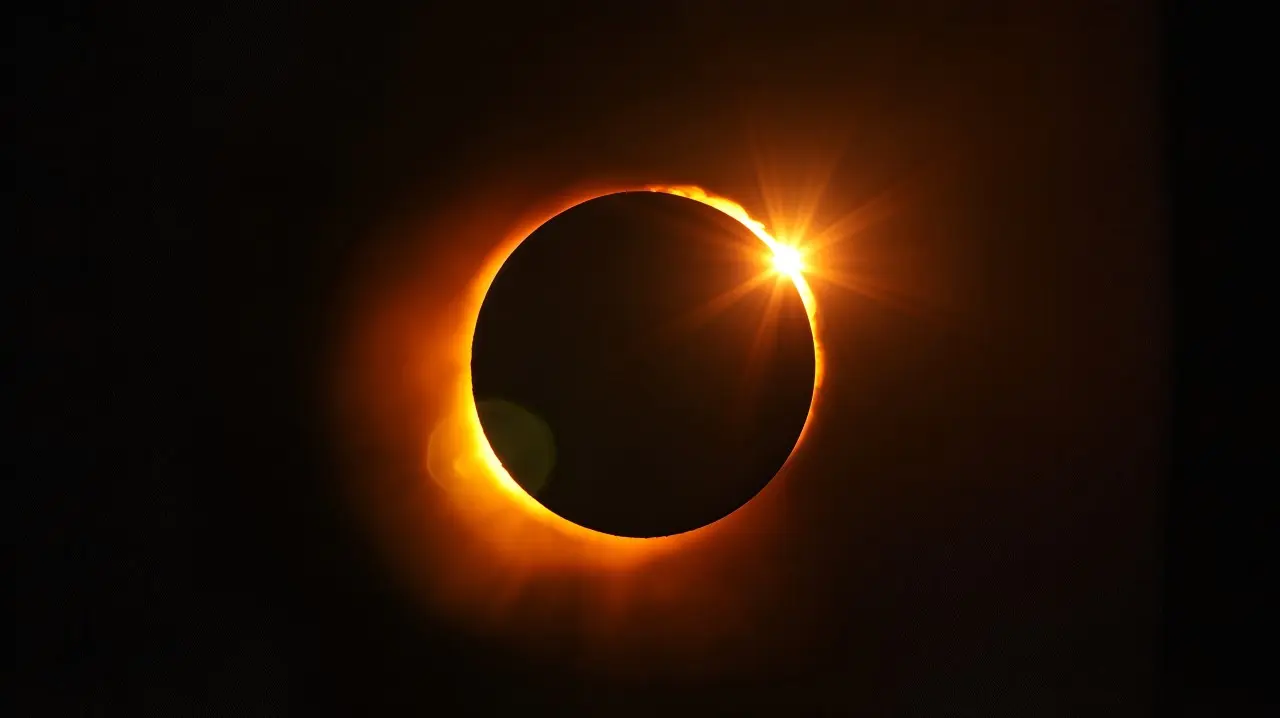
A total solar eclipse will cover Sol for more than six minutes in August 2027. The event occurs on the 2nd and records the longest totality duration of the 21st century on accessible land. The Lua is positioned between the Terra and the Sol. The point of longest duration is close to Luxor, at Egito.
The phenomenon attracts the attention of astronomers and travelers. Lua’s shadow crosses the planet in a narrow band. Cidades from various countries follow different phases of the event.
Duração maximum occurs southeast of Luxor
Totality reaches 6 minutes and 23 seconds at a point about 60 kilometers southeast of Luxor. The time exceeds most recent total eclipses. The previous record for accessible land was below that. The next event with a similar duration should only occur in 2114.
More on this story: Longest total solar eclipse of the 21st century has a date set; know how to see
- Luxor records about 6 minutes and 22 seconds of totality
- Duration Pico is in the region of New Valley Governorate
- Trajeto includes Espanha, Marrocos, Argélia, Tunísia, Líbia and Arábia Saudita
- Fim of the track passes through Iêmen and Somália before heading across the ocean Índico
Astrônomos highlight favorable geometry. Lua is at the right distance to cover almost the entire solar disk. The alignment prolongs the period of complete darkness.
Eclipse Trajeto crosses three continents
The path of totality begins in the Atlântico ocean. Ele enters Europa from the south of Espanha and Gibraltar. Depois follows to the north of África. Países like Marrocos, Argélia, and Tunísia see Sol disappear for several minutes. The shadow continues through Líbia and reaches Egito.
Na Arábia Saudita and Iêmen the phenomenon also appears complete. The strip has a maximum width of around 258 kilometers. Fora from this zone, observers see only partial eclipse. The entire event, from start to finish of the shadow, lasts more than three hours.
Partial Eclipse arrives at Brasil in Sul region
No Brasil the phenomenon appears partially. Visibility is higher in the country’s Sul. Local time indicates that the event takes place during the early hours or early morning in some regions. Muitos Brazilians need to travel to follow the totality.
See Also

Gamer Week: Vivo and Supercell offer free rare item for Clash Royale players

Cristiano Ronaldo reaches 977 goals for Al-Nassr and aims for the thousandth goal in his career

Newborn dies after being injured by a scalpel during a cesarean section in the interior of São Paulo, says family
Cientistas recommend special glasses even for the partial phase. Direct light from the Sol can cause permanent damage to the eyes. Transmissões live by space agencies should cover the main moment.
Learn more: Longest total solar eclipse of the century will be 6 minutes long; find out when and how to watch
Como the total solar eclipse happens
Lua passes between Terra and Sol during the new moon phase. The central shadow, called the umbra, projects a dark area on the planet. Dentro from this region the day turns into night for a few minutes. The solar corona, the outer layer of Sol, is visible to the naked eye.
- Total Eclipse requires perfect alignment of all three bodies
- Partial Eclipse occurs in dim light, with incomplete coverage
- Annular Eclipse forms a ring of light around Lua
- Hybrid Eclipse switches from void to full at different points
Total type requires Lua to be close enough to Terra. The distance varies throughout the orbit. In the case of 2027, geometric conditions favor long duration.
Preparativos and impact on tourism
Destinos and Luxor prepare infrastructure to receive thousands of visitors. Hotéis and agencies already publish specific packages. Cientistas plan observations with advanced equipment. The event offers a rare opportunity to study the solar atmosphere.
Especialistas alert for planning. The window of totality is short. Posição accurate geographic defines the experience. Quem is outside the center range loses precious minutes of darkness.
The solar eclipse of August 2, 2027 marks an astronomical milestone. The record duration makes the phenomenon unique for this generation. Observadores at strategic points watched the sky darken for more than six minutes.