
Paleontological find of 16-centimeter reptile details Jurassic lineage in the United States

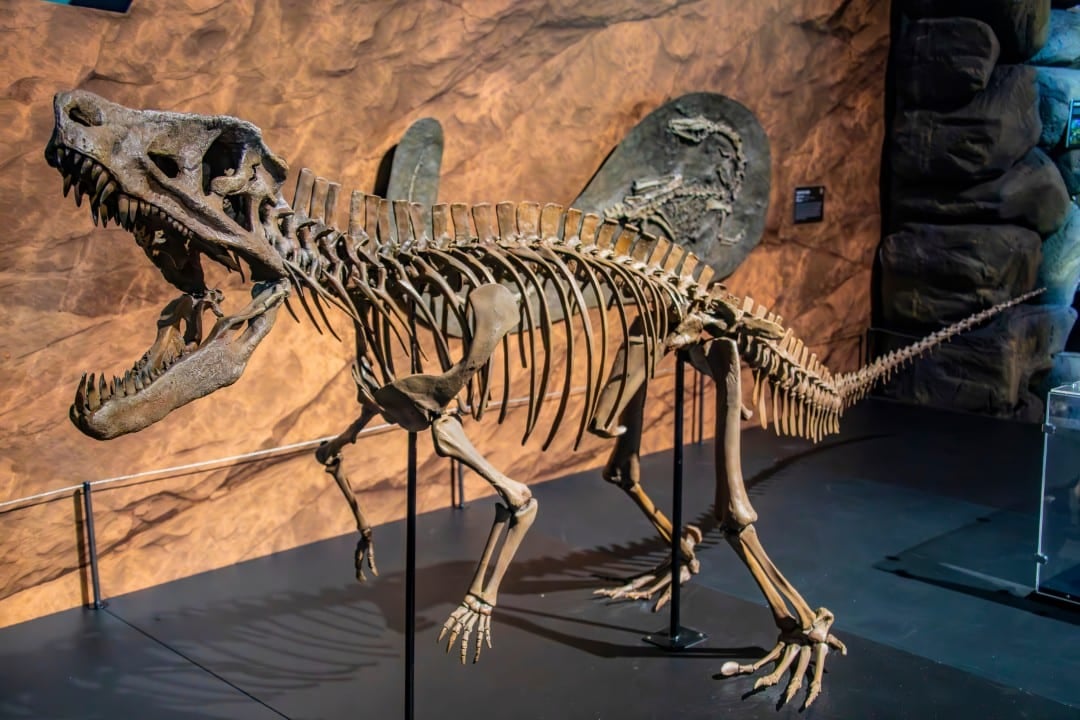
A team of researchers has identified a new species of prehistoric reptile from an exceptionally preserved fossil at Formação Morrison, located in the state of Wyoming, in Estados Unidos. The animal, scientifically named Opisthiamimus Gregory, measures just 16 centimeters in length and lived with large dinosaurs during the Jurássico period. The discovery offers unprecedented data on the anatomy and behavior of small vertebrates from that time. Especialistas consider the find a milestone in understanding ancient ecosystems.
The remains of the small vertebrate were located in an area close to a nest of Allosaurus, one of the largest land predators of its time. The state of conservation of the skeleton surprised the scientists responsible for the excavation. Diferente of the vast majority of fossil records of this animal group, which usually arrive in laboratories in tiny, worn fragments, this individual kept almost all of its bone structure intact. Faltam only some portions of the tail and hind legs. Essa structural integrity enables in-depth morphological analysis.
Three-dimensional scanning Tecnologia maps bone structure
Para To study the fossil without causing damage to its fragile structure, experts turned to advanced imaging equipment. Microfocus computerized Tomografias were performed at three separate scientific facilities. Esse joint effort resulted in the creation of high-resolution three-dimensional models of the entire skeleton. The technique revealed minute details of the skull and dental arch. The non-destructive method represents the current standard in cutting-edge paleontological investigations.
Research Associate David DeMar Jr. detailed that the exceptional quality of preservation opens new paths for science. The digital models generated enable complex computer simulations on the mechanics of the animal’s jaw. Scientists can observe exactly how the bones articulated during chewing. Além Furthermore, the complete mapping of this specimen will serve as a kind of anatomical database. Ele will facilitate the reclassification of countless other bone fragments that are already stored in museum drawers around the world, but which remained without precise identification.
Durante During the scanning process, the team noticed that some parts of the original skull had suffered crushing or displacement over millions of years underground. 3D modeling software made it possible to correct these deformations virtually. The bones were repositioned in their original anatomical positions on the computer screen. Esse level of digital correction would be impossible with traditional mechanical fossil preparation methods.
Dieta insectivore and jaw mechanics unique to the group
Analysis of the dentition of Opisthiamimus Gregory indicated a strictly insectivorous dietary habit. The pointed, robust shape of the teeth suggests that the animal hunted prey with hard shells, such as primitive beetles and other tough arthropods. Matthew Carrano, paleontologist of Museu Nacional of História Natural of Smithsonian, explained the importance of this adaptation. The ability to process rigid exoskeletons required considerable bite force for a creature of such small proportions.
The newly described reptile belongs to the rhynchocephala order, a group that presents a unique chewing characteristic in the animal kingdom. The teeth of these animals are not housed in individual cavities, as is the case in mammals or crocodilians. Eles are fused directly to the jaw bone, forming a single, continuous structure. The chewing movement also differs from the common pattern. The jaw slides back and forth while closing the mouth.
Esse mechanism works similar to the movement of a saw cutting wood. The constant friction between the upper and lower sharp edges allows you to slice the food with extreme efficiency. The tuatara, an endemic species of Nova Zelândia and the only living representative of rhynchocephalans today, still uses exactly this same system to feed. Observing the modern animal helps scientists validate theories about the behavior of its fossilized relatives.
Historical Evolução and population decline in the Mesozoico period
The fossil record shows that rhynchocephalans occupied a wide variety of ecological niches during the Jurássico period. The lineage split from the common ancestor that gave rise to modern lizards and snakes about 230 million years ago. Enquanto some species maintained insect-based diets, others evolved to capture fish in aquatic environments or developed herbivorous habits. The group has experienced a long period of evolutionary success and global diversification.
Apesar From this wide geographic distribution and initial adaptability, the order entered a sharp decline. Concomitantemente, the squamates began to diversify and dominate small terrestrial ecosystems. Paleontologists have debated the causes of this faunal replacement for decades. Direct competition for food resources and global climate change are among the most accepted hypotheses by the scientific community.
Rhynchocephalans possessed several biological characteristics that should guarantee their long-term survival in terrestrial ecosystems:
- Extreme Longevidade, with current individuals surpassing the century mark.
- Advanced physiological Tolerância to inhabit regions with lower average temperatures.
- Flexibilidade metabolic to withstand intense seasonal climate variations.
- Estratégias reproductive systems based on long cycles of incubation and embryonic development.
Nenhuma of these adaptive advantages managed to stop the almost total disappearance of the lineage. The mass extinction that wiped out non-avian dinosaurs at the end of Cretáceo also severely impacted small reptiles. The exclusive survival of the tuatara on isolated islands of Oceania turns the animal into a true living fossil. The modern species provides the only direct biological window into the study of this ancient group.
Impacto of continued excavations in North American geology
Complete research on the new specimen was documented and published in the scientific journal Journal of Systematic Palaeontology. The article establishes new morphological parameters for the identification of microfossils in archaeological and paleontological sites. The discovery does not solve the central enigma about the decline of rhynchocephalans, but it adds crucial data about the morphological diversity of the time. Cada new articulated skeleton found fills significant gaps in the reptile phylogenetic tree.
Formação Morrison consolidates its position as one of the most important fossil deposits on the planet. The region is historically famous for being home to gigantic dinosaur burials, such as sauropods and stegosaurs. The identification of a 16-centimeter animal in the same geological stratum demonstrates the complexity of the Jurassic food web. Large predators depended on a rich ecological base made up of thousands of small vertebrates, insects and plants.
Instituições surveys, including Smithsonian Institution, reinforce the need to maintain ongoing excavation programs in these classic areas. The application of new sediment screening methodologies has revealed microfossils that went unnoticed in expeditions in the last century. The painstaking work of sifting the soil around large bones continues to reveal surprises. Little Opisthiamimus Gregori proves that the greatest discoveries in modern paleontology can be hidden in the smallest fragments of rock.





