
Tesla’s electric utility dominates the used market in the United States with sales in record time


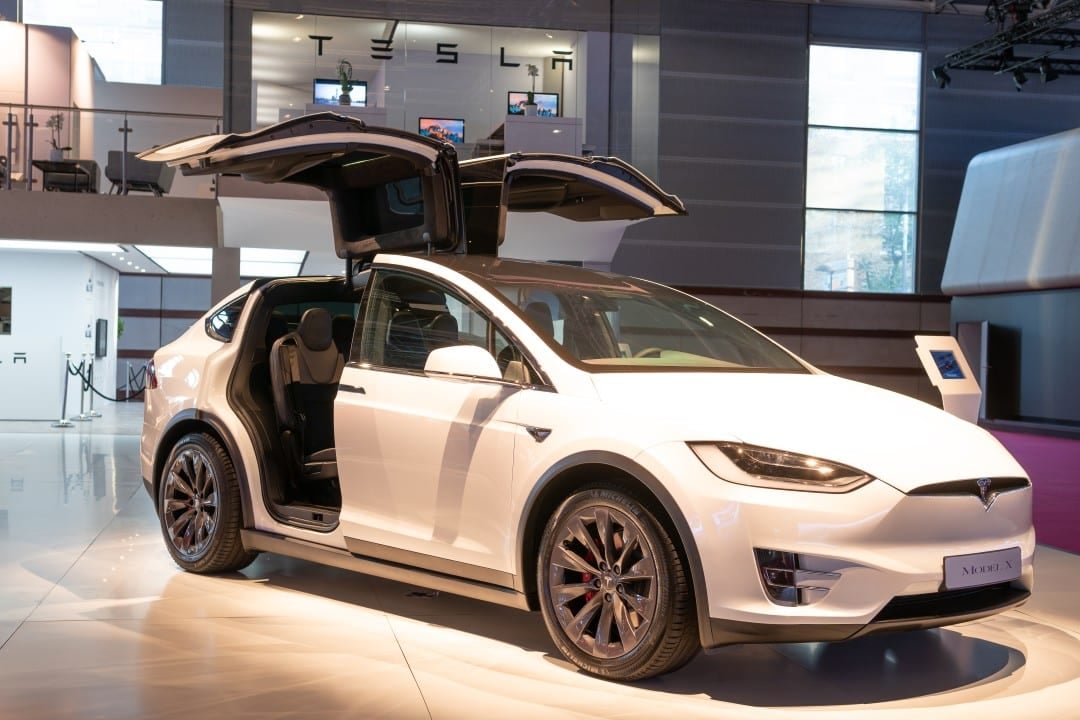
Tesla’s Model The electric model registers an average of 25.6 days in dealerships’ yards before being purchased by consumers. The current sales time represents less than a month of waiting. Esse pace exceeds the national average of sales of second-hand cars in the country. The survey reflects a change in the behavior of American drivers.
The sharp drop in prices charged for pre-owned units attracts direct buyers. The vehicle cost tens of thousands of dollars more in its first few years of release. The natural devaluation of the fleet made the acquisition cost affordable for a new audience profile. Consumidores avoid the zero kilometer market due to high financing costs. The Elon Musk brand maintains its technological appeal even in versions from previous years.
Desempenho of other models from the automaker and competitors
The transfer speed is not just restricted to the Texan company’s large utility vehicle. The Cybertruck pickup truck and the Model Y compact utility vehicle also have high liquidity in the used car sector. The stainless steel truck takes around 33.3 days to change hands. The Model Y requires a slightly longer wait time, averaging 34.6 days in stores. The manufacturer’s three vehicles surpass the general average speed of the American used car trade.
The favorable scenario covers other categories of alternative propulsion in addition to all-electric models. Veículos hybrids of traditional brands register a similar outflow at points of sale. The Lexus RX 350h and Honda Civic Hybrid appear among the cars most sought after by drivers. The Ford Maverick truck also features fast inventory turnover. Competition in the used car segment exposes the difficulty for classic automakers in competing with the volume of electric vehicles available.
The energy transition of the American automotive market takes on new contours with the consolidation of used cars. The consumer evaluates the total cost of ownership before signing the purchase contract. The simplified maintenance of electric motors weighs in the final decision. Baterias with extended warranty offers security for anyone purchasing a second-hand car. The Tesla charging infrastructure, known as Superchargers, serves as a decisive competitive differentiator.
Economical Fatores boost the search for used cars
The American economy in May 2026 presents challenges for the acquisition of high-value goods. Persistent inflation and high interest rates make financing payments for new cars more expensive. Family budgets are under direct pressure from macroeconomic conditions. Compradores seek alternatives to avoid excessive debt. The used market appears as the immediate solution for those who need to change their vehicle.
The initial depreciation of new electric cars alienates part of traditional consumers. The buyer of a brand new model absorbs most of the loss of financial value in the first years of use. Secondary market customers take advantage of this decline to acquire cutting-edge technology for a fraction of the original price. The combination of reduced prices and high technology creates a favorable commercial scenario for used cars.
The preference for Tesla cars in the secondary market involves exclusive characteristics of the brand. The company adopts a strategy of remote software updates that keep vehicles modern for longer. Owners receive performance and security improvements over the internet. Esse system extends the technological life of the car. Attributes that justify high demand include:
- Preço for resale is lower than that charged for zero kilometer units.
- Manutenção of the original performance of electric motors and batteries.
- Atualizações continuous operating system and autonomous driving capabilities.
- Acesso guaranteed to the manufacturer’s global fast charger network.
- Fidelidade to the brand built over the last decade.
The combination of these elements explains the accelerated turnover in the yards. Lojistas adjust their profit margins to ensure quick inventory turnover. The sales volume compensates for the reduction in the individual value of each negotiation. The dealership industry adapts its operations to meet the specific demand for battery-powered vehicles.
Repercussão on the financial market and company shares
The commercial performance of the vehicles directly reflects the company’s assessment of Wall Street. Analistas finance monitors used sales volume as an indicator of brand strength. The company’s stock, traded under the ticker symbol TSLA, receives mostly positive ratings from brokers. The market projects a scenario of stability for the automaker’s shares in the short term. The consensus among experts points to maintaining investments.
The recent survey of investment recommendations reveals the confidence of the financial sector. Treze analysis reports indicate purchase of the electric car maker’s shares. Doze experts advise keeping the shares in the investment portfolio. Apenas five analysts suggest selling the assets at this time. The average target price established for the shares reaches US$410.21. Esse value represents an appreciation potential of 4.6% in relation to recent prices.
The company’s ability to maintain relevance in the secondary market reassures investors. The liquidity of used cars guarantees a continuous cycle of fleet renewal. Clientes who sell their old models often purchase newer versions from the same brand. Esse closed ecosystem strengthens the financial position of the corporation. The automaker consolidates its leadership while traditional rivals face difficulties in registering their own electric vehicles.
Dinâmica of the automotive sector and consumption prospects
American consumer behavior dictates the pace of change in the automotive industry. The Model X’s sales speed demonstrates that the vehicle’s size and shape continue to attract families. The sports utility vehicle offers ample interior space and vertically opening rear doors. The quirky design meets everyday carry needs with distinct visual appeal. Functionality combined with electric propulsion forms a robust commercial package.
Independent dealerships rearrange their displays to highlight the highest-selling electric models. Sales team training now includes specific knowledge about battery life and recharge times. The seller needs to clarify technical doubts that did not exist in the era of combustion engines. The professionalization of service in the used car market provides security to inexperienced buyers. The transmission of accurate information speeds up the decision-making and business closing process.
The consolidation of this market niche changes the long-term projections of automakers. Fabricantes Globals look to the success of Tesla in pre-owned vehicles as a must-see case study. Value retention and ease of resale become fundamental metrics in the development of new projects. The life cycle of the electric product proves to be different from the dynamics established by gasoline-powered cars. The automotive sector is moving towards a reality where the second-hand market dictates the rules of technological acceptance.





