Tully’s Coffee offers sweets menu for evaluation by elite chefs on Japanese television (94)
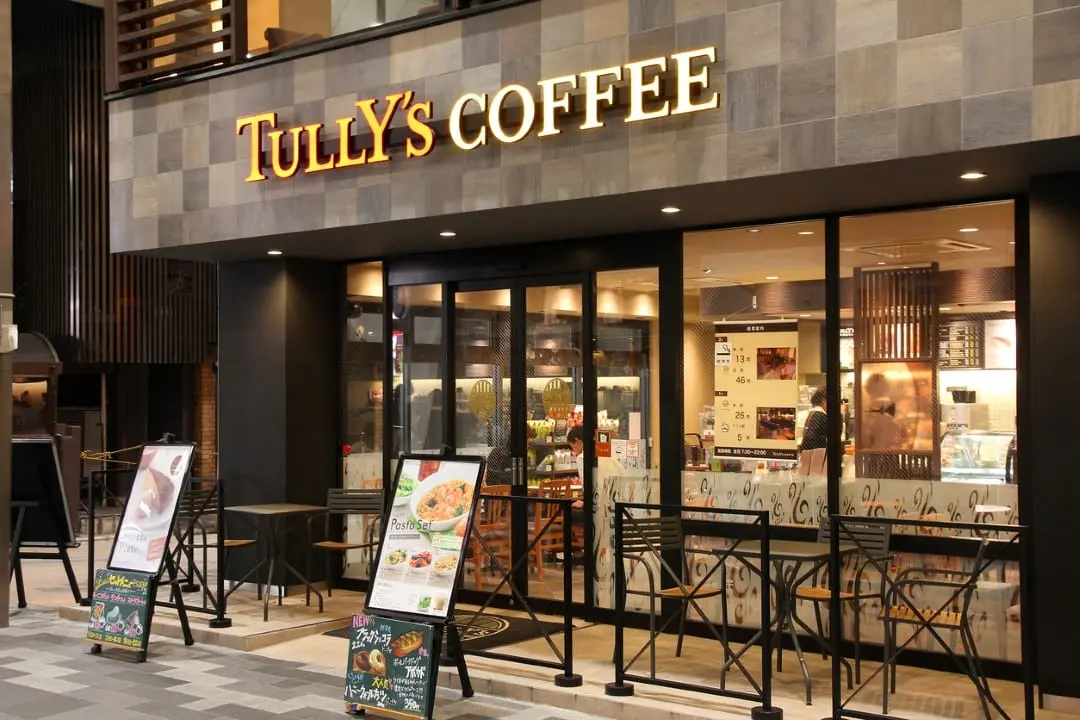
Coffee shop chain Tully’s Coffee participated for the first time in the Japanese television program JobTune, broadcast on broadcaster TBS on the evening of April 25, 2026. The company, which operates approximately 830 units in Japão, submitted a selection of ten confectionery products to the scrutiny of an elite panel of chefs. The format of the attraction places commercial items under the technical analysis of experts. The evaluation considered flavor, texture and the pairing of sweets with the drinks served in stores.
The participation exposed the behind-the-scenes development of the brand, which introduces around 60 new features annually. Funcionários from the network nominated the items for the television challenge. The episode recorded moments of apprehension among company representatives during the revelation of the notes. The broadcast took place in prime time and attracted the attention of regular consumers.
Critérios evaluation and technical requirement of experts
The JobTune judging panel focused its analysis on the quality of the ingredients and the execution of the recipes on a commercial scale. The pastry chefs invited to the bench evaluated how Tully’s Coffee manages to maintain quality standards in an operation that covers hundreds of stores simultaneously. The texture of the pasta, the sugar balance and the ideal serving temperature were included in the experts’ scoring sheet. Produtos developed for franchise chains faces the logistical challenge of standardization, a factor that the judges questioned during the tasting of the ten selected items.
The dynamics of the program require company representatives to justify their formulation choices in the face of technical criticism. The café’s development team had to explain the adaptations made to classic European recipes to please the taste of Asian consumers. The level of demand from the chefs generated emotional reactions from the employees present in the studio. Câmeras recorded tears from the corporate team during the verdict on certain products, highlighting the pressure involved in the public approval of items that represent the company’s daily revenue.
Ingredientes regional and adaptations of classic recipes
The list of ten products tested included a mix of recent launches and consolidated options on the chain’s fixed menu. The company’s strategy consisted of presenting sweets that use raw materials of controlled origin and with strong regional appeal. The use of specific ingredients aims to add perceived value to counter items, which compete directly with specialized confectioneries in large Japanese urban centers.
- Milk-mascarpone tiramisu shake, developed to reproduce the layers of flavor of the traditional Italian dessert in liquid and iced format.
- Doce sweet potato made exclusively with the Naruto Kintoki variety, grown in the province of Tokushima and recognized for its high natural sweetness content.
- Cheesecake with a rich formulation, which combines nationally produced Gouda cheese with sun-dried salt imported directly from França.
- Seleção rotating cakes and pies that make up the portfolio of more than 20 simultaneous options available in the units’ windows.
The choice of Naruto Kintoki sweet potato illustrates the Japanese market’s preference for high-quality seasonal inputs. The province of Tokushima has certifications of origin that guarantee the standard of the tuber used in the cafeteria’s recipe. Já the cheesecake demonstrates an attempt at sophistication by mixing local dairy products with imported elements, such as French salt, used to break down the fat of the Gouda cheese and highlight the sweet notes of the pie’s base. The pairing of these complex flavors with roasted coffee beans was the central point of the creative team’s defense.
Estratégia menu renewal in the Japanese market
The coffee shop sector in Japão operates with a high level of competition, requiring constant updates to menus to maintain the flow of customers. Tully’s Coffee, which has been operating in the country since 2006 under the management of the Ito En corporation, adopts the policy of launching approximately 60 new food products each year. Essa rotation ensures that consumers find something new with each change of season. Sweets represent a fundamental profit margin for the financial sustainability of physical stores.
Leia Também

Three days after earthquake, rescue teams find 11-year-old boy under rubble in Venezuela

Dispute in Austria: Russell takes pole position in the 2026 Formula 1 GP; find out where to watch in the USA and 7 other countries

Complete guide to external batteries in 2026 with affordable options and high-performance models
Presence in the JobTune program serves as an external validation tool for this ongoing research and development effort. Quando independent chefs approve a chain product on national television, the item gains expert recommendation status. The company used the television showcase to demonstrate that its sweets are not just secondary accompaniments to coffee, but products with their own gastronomic merit. The tiramisu mascarpone milkshake, for example, was positioned as a complete dessert, capable of attracting consumers who are not necessarily looking for traditional caffeinated drinks.
The impact of positive reviews on television immediately reflects on consumer behavior on the streets. Lojas of convenience and fast-food chains that participate in similar formats often experience stock runs out in the hours following the exhibition. Tully’s Coffee’s logistics infrastructure needed to be prepared in advance to support the likely increase in demand for the ten items displayed on the screen. Managing supplies of specific ingredients, such as Gouda cheese and Tokushima sweet potatoes, requires months of planning to avoid stockouts in more than eight hundred operating units.
Transmissão cross-platform and audience reach
The episode aired from 7pm local time, occupying a high audience slot on TBS. JobTune attracts a profile interested in the industrial processes of everyday brands. Prime-time exposure offers a marketing return that traditional campaigns are unlikely to achieve. The tension generated by the trial holds the viewer’s attention until the final revelation.
Além transmission via antenna to televisions, the content was made available simultaneously on local streaming platforms. The TVer and Paravi services offered free access to the episode shortly after its original airing, allowing on-demand consumption. Essa’s digital distribution strategy extends the program’s lifespan and reaches younger audiences, who consume media mostly through mobile devices. Engagement on social media during the exhibition generates instant metrics on the acceptance of the products presented.
The integration between television and physical retail demonstrates the strength of programs focused on consumption. Tully’s Coffee structured its communication in stores to highlight the products that passed through the chefs’ scrutiny. Cartazes at points of sale started to flag the items evaluated in JobTune, making it easier for customers to identify them. Technical validation becomes a sales argument at the counter, consolidating the brand’s reputation.