
Astronomical phenomenon of 2027 darkens the sky for six minutes and mobilizes scientists in Egypt

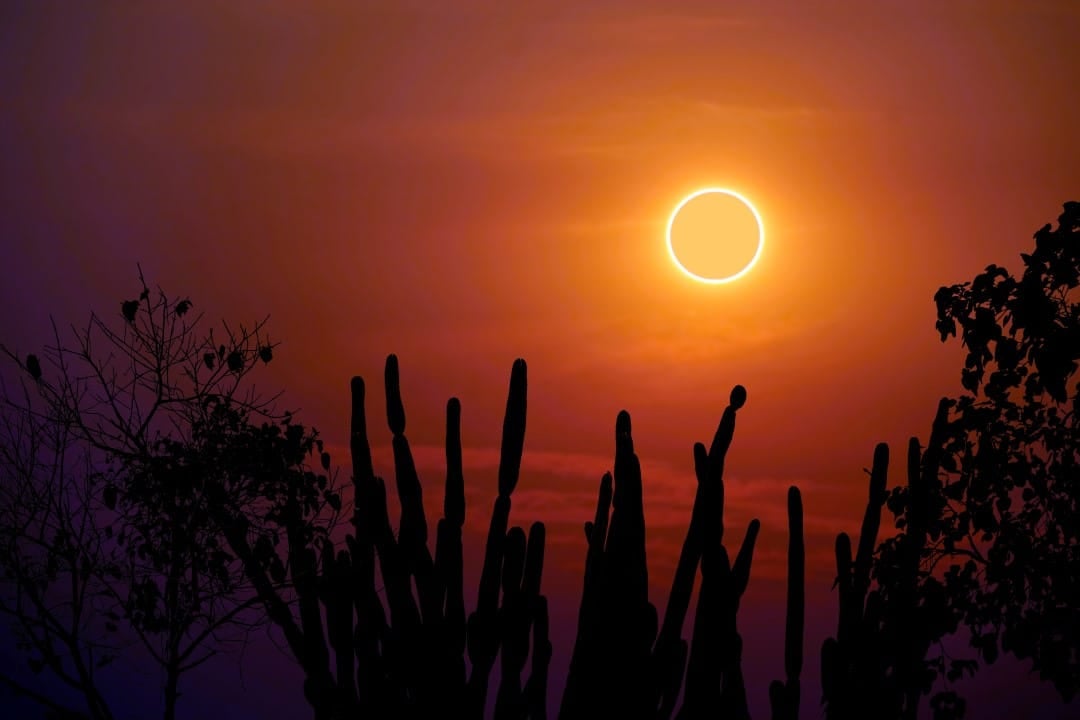
Lua will completely block Sol’s light for more than six minutes on August 2, 2027. The astronomical event marks the longest-lasting total solar eclipse of the 21st century. A phenomenon with this same magnitude of time will only occur again in the year 2183. Observadores positioned in specific locations on the planet will witness the day turn into night. The sky will completely darken.
The band of totality will cover a narrow route that passes through different continents. The path of the lunar shadow begins at Groenlândia, passes through Islândia, cuts through Península Ibérica, and advances through Norte from África. The point of maximum intensity of solar blocking occurs at Oriente Médio. The city of Luxor, located in Egito, has the greatest expectation of visibility and attracts the attention of the international scientific community.
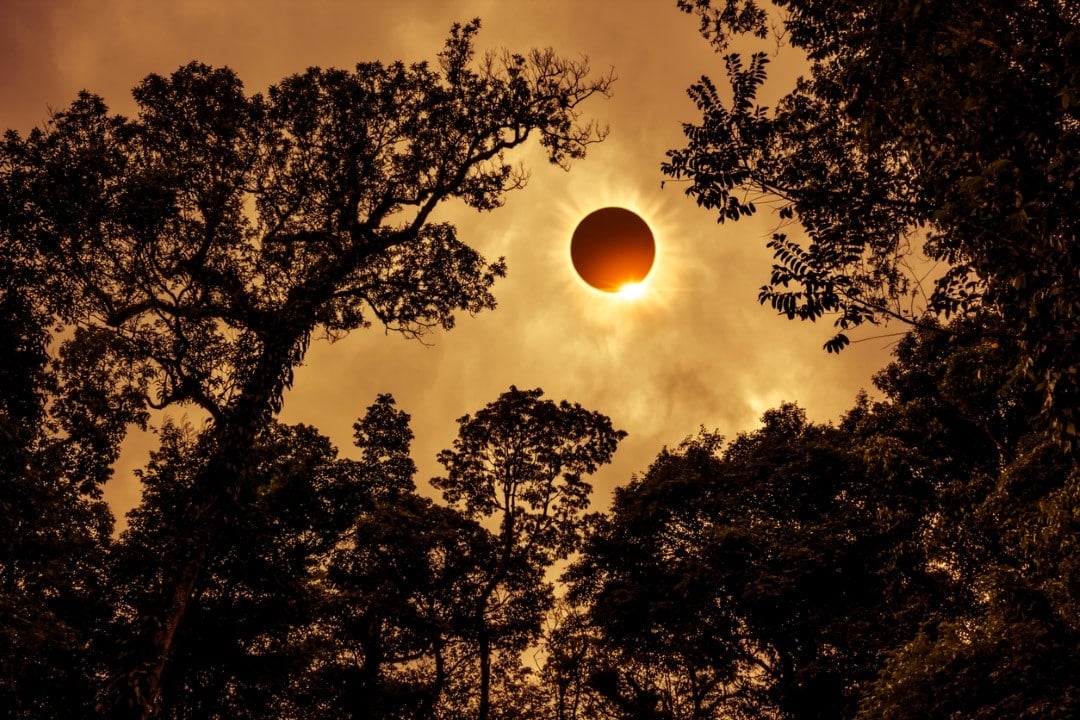
Lunar Shadow Trajetória Sets Earth Observation Points
The eclipse’s geographic path covers territories with different climatic and infrastructure conditions. The shadow initially penetrates the Ártico region before descending towards the European and African continent. Especialistas monitors the historical cloud cover averages in these areas to identify the locations with the highest probability of clear skies. Vale’s Nilo features highly favorable weather conditions during the month of August. The absence of rain makes the work easier.
Luxor cements its position as the epicenter of the astronomical event due to the combination of dark time and visibility probability. The maximum duration of six minutes takes place exactly over this historical Egyptian area. Pesquisadores of different nationalities organize the sending of heavy observation equipment to the site. The city will act as a temporary base for astrophysics operations during the first week of August.
The logistics of transporting telescopes and measuring instruments require months of advance planning. Universidades and research institutes set aside specific spaces in the desert to avoid urban light pollution. The orbital alignment between Terra, Lua and Sol in 2027 generates an exceptionally wide shadow. Essa geometric feature expands the temporal window available for primary data collection by astronomers.
Security Protocolos require certified optical filters
Direct observation of the solar disk causes permanent damage to the internal structures of the human eye. Ultraviolet and infrared radiation burns retinal cells even when most of Sol is covered by Lua. The use of glasses with specific solar filters, which meet the international standard ISO 12312-2, represents the only safe way to monitor the partial phases of the phenomenon. Protection is non-negotiable.
Especialistas in eye health warn of the risks of using inappropriate materials during the event. The false sensation of visual comfort does not prevent harmful radiation from passing through. The following items do not offer protection against the sun’s rays and are prohibited for observation:
- Óculos common sun shades of any darkening category or brand.
- Chapas of old or overlaid medical radiography in multiple layers.
- Vidros darkened with soot, automotive films or insulation film.
- Lentes from cameras, cell phones or binoculars without solar filters attached to the light input.
The removal of protective equipment occurs exclusively during the minutes of totality. The observer can look directly at the sky only when the lunar disk completely obscures Sol. The equipment returns to the face immediately after the first beam of sunlight appears on the edge of the Lua. Strict timetables prevent serious accidents.
Estudo from the sun’s outer atmosphere mobilizes space agencies
The solar corona remains hidden most of the time due to the blinding brightness of the star’s surface. The total eclipse works as a perfect natural blocker that allows this outer atmospheric layer to be seen. Scientists use the minutes of darkness to measure temperature, plasma density and the behavior of solar magnetic fields. Data is rare. The opportunity attracts joint missions.
Understanding the dynamics of the corona helps explain the origin of solar winds and geomagnetic storms. Essas particle emissions directly affect the operation of communication satellites and power distribution networks on Terra. Data collected in 2027 will feed mathematical models to predict space weather. The eclipse’s record duration provides an unprecedented volume of information for contemporary astrophysics.
Satélites positioned in Earth orbit will work together with ground-mounted observatories. Synchronizing measurements from space and the surface improves the accuracy of scientific results. Space agencies calibrate orbital instruments to focus on the same region of Sol that ground-based telescopes track during the shadow’s passage. The global effort maximizes scientific return.
Preparação logistics transforms tourism in the Egyptian region
The expectation for the astronomical event changes the routine of the service sector in cities located on the main route. Luxor records a significant increase in demand for accommodation and travel packages focused on astrotourism. International tourism Operadoras charter flights and book hotels years in advance to guarantee space for customers. The local economy adapts quickly. The business hires extra employees.
Local authorities develop contingency plans to manage the unusual flow of visitors. The planning includes strengthening public transport fleets, expanding the emergency medical care network and organizing safe observation areas. The Egyptian government is working on paving access roads to concentration points in the desert. The celestial phenomenon drives scientific education initiatives in different parts of the world, consolidating the date as a historic milestone.



