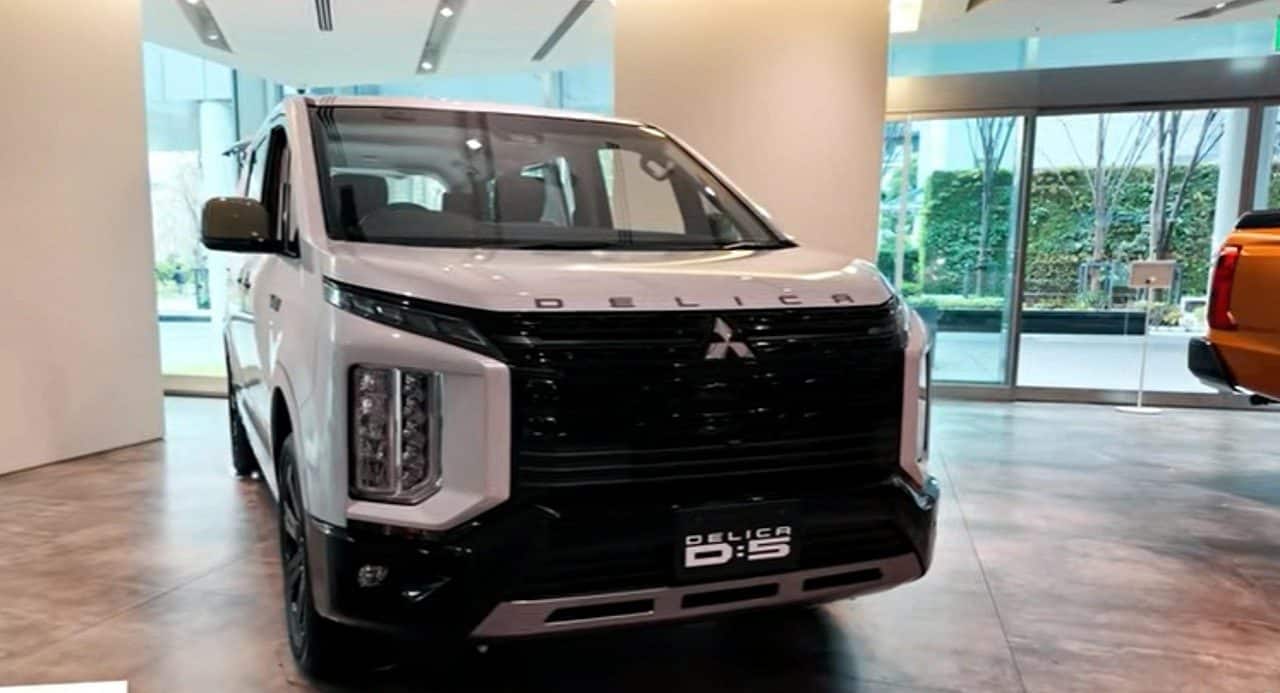
The Mitsubishi Delica D5 minivan completes almost two decades of continuous presence in the global automotive market. The model maintains a prominent position in the negotiations of pre-owned and used vehicles. Proprietários demonstrate a prolonged interest in the car’s robust platform. The mechanical base allows for a wide range of aesthetic and functional modifications. The vehicle consolidated a specific niche by mixing passenger transport capacity with real capabilities for uneven terrain and unpaved roads.
The high demand for older generation units reflects a partial rejection of more aggressive contemporary designs. Consumidores actively seeks examples with simpler lines to apply customization projects. The phenomenon boosted the emergence of workshops specializing in the visual transformation of these minivans. The customization trend has changed the pricing dynamics of older models at dealerships. The secondary market quickly absorbs vehicles in good condition.
Preferência by models before the visual redesign
The behavior of buyers of the Mitsubishi Delica D5 reveals a reversal in the usual logic of the automotive sector. Versions manufactured before the last major aesthetic update are in higher demand compared to models fresh from the factory. The preference stems from the geometric simplicity of the original bodywork. The old design offers a more suitable basis for applying accessories with off-road appeal. The square structure facilitates visual planning of modifications.
The recent automotive industry has adopted chrome front grilles and tapered headlights as standard for large family vehicles. The original Delica D5 features straight lines and utilitarian proportions. Enthusiasts consider the old look more authentic and in line with the proposal of a sports utility vehicle. The absence of excessive visual elements facilitates the integration of tubular bumpers and roof racks. The contrast between conservative design and aggressive accessories creates a unique identity.
Lojas of used vehicles report a constant search for specific units manufactured more than a decade ago. Customers arrive at establishments with modification projects already defined. Purchasing a car represents just the first stage of a transformation process that can last months. The amount invested in alterations often exceeds the purchase price of the car on the secondary market. Fidelity to the model supports a parallel economy of automotive services.
Modificações aesthetics and mechanics on the used market
Customization workshops have developed standardized packages to suit Japanese minivan owners. Body painting represents the most common and visually impactful intervention. Vibrant Cores gives way to opaque, nature-inspired tones. The refinishing process requires complete disassembly of the vehicle to ensure a professional finish on all visible surfaces. The technique ensures the durability of the new color against the elements.
Mitsubishi Delica D5 customization projects usually include the following changes:
- Aplicação of paints in earth tones such as beige, khaki and military green.
- Substituição of chrome parts with textured matte black finishes.
- Instalação of mixed use tires with high profile and deep grooves.
- Montagem of suspension lift kits to increase ground clearance.
The combination of these elements transforms the familiar appearance of the minivan into an expedition-looking vehicle. The use of black plastics on the bumpers and wheel arches reinforces the utilitarian identity. Adopting larger tires requires adjustments to speedometer calibration and steering geometry. Specialized workshops take responsibility for integrating the new components without compromising the original drivability. The minivan’s four-wheel-drive system complements the physical improvements.
The aftermarket offers an extensive catalog of accessories dedicated exclusively to this model. Independent Fabricantes produce everything from lower engine guards to LED auxiliary lighting systems. The availability of components facilitates the execution of projects and reduces the time vehicles spend in workshops. Personalization has become an established culture among owners. Encontros of Delica owners gather hundreds of modified vehicles annually.
Influência of the adventurous style in other automakers
The enduring success of the customized Mitsubishi Delica D5 caught the attention of competing automakers. Japanese Fabricantes have begun to incorporate adventurous design elements into their series production family vehicles. The color palette offered at dealerships now includes the earth tones popularized by modification shops. The strategy aims to capture consumers who want the robust look without the need to turn to the aftermarket. The industry’s adaptation proves the strength of the movement that originated on the streets.
Toyota introduced the Sienta model with pastel paint options and unpainted plastic accents. Suzuki developed the Spacia Gear version with round headlights and prominent bumpers to simulate a compact sports utility vehicle. Honda applied a similar recipe to Freed Crosstar. The vehicle received moldings on the wheel arches and functional roof bars straight from the assembly line. Factory options deliver the desired aesthetics with the convenience of the original warranty.
The appropriation of these characteristics by major brands validates the vision of customization enthusiasts. The average consumer shows interest in vehicles that convey an image of leisure and contact with nature. Camping and outdoorsy aesthetics have replaced urban and luxury appeal in certain segments. The change in behavior reflects a search for versatility in the daily use of the car. Families look for cars that work in the city during the week and on dirt roads on holidays.
Responsabilidade technique in suspension changes
Structural modification of vehicles requires strict attention to the safety parameters established by regulatory bodies. Installing suspension lift kits changes the minivan’s center of gravity. The change directly affects the car’s dynamic behavior in curves and emergency braking. Owners need to be aware of the legal and technical implications before authorizing mechanical interventions. Periodic vehicle inspection evaluates the conformity of changes with current traffic regulations.
Automakers maintain a restrictive stance in relation to non-approved changes. The factory warranty becomes invalid when dealers identify the presence of parallel suspension components. Responsibility for any mechanical failures resulting from lifting the chassis lies entirely with the vehicle owner and the executing workshop. The calibration of stability control systems can also be impaired by changes in geometry. The financial risk keeps some consumers away from extreme modifications.
Apesar associated risks, the modifications market continues to operate with high demand. Owners assume costs and responsibilities in exchange for visual exclusivity. The culture of automotive customization supports a network of professionals specialized in safe adaptations. The longevity of the platform guarantees the continuity of this commercial ecosystem for a few more years. The relationship between man and machine finds customization a lasting form of individual expression.