
New 2TB iPhone 17 Pro Max smartphone reaches record price in official stores in Indonesia

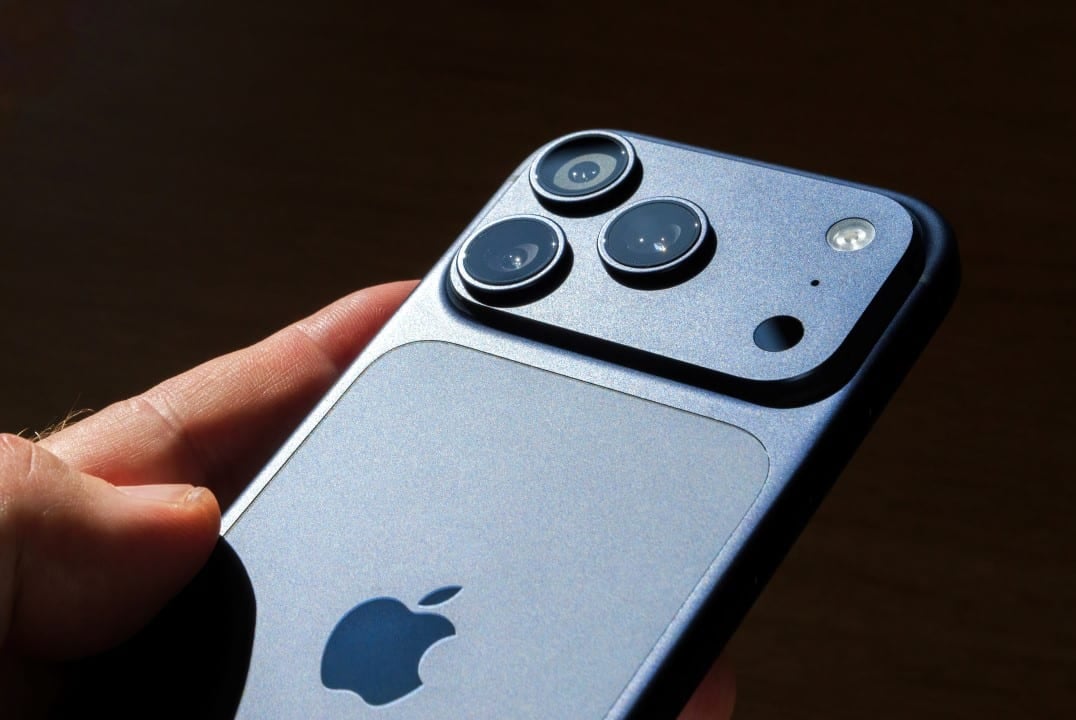
Apple has started selling the 2TB version of the iPhone 17 Pro Max on the Indonésia market. The device fetched 44 million Indonesian rupiah in local stores. The amount consolidates the model as the most expensive smart cell phone ever made available by the North American manufacturer in the Asian region. The values range between 43,999,000 and 44,000,000 rupees, depending on the distribution channel chosen by the consumer. The commercial policy highlights the strict separation between mass products and equipment of the highest technological standard.
The price discrepancy between retail chains results from multiple economic indicators. The geographic location of physical stores affects the logistical cost of the operation. Flutuações on the exchange rate and import duties form the basis of the calculation for the final value passed on to the public. E-commerce Plataformas and authorized resellers, such as the iBox network, operate with different profit margins. The scenario creates a variable pricing dynamic during the first months of sales throughout 2026.

Storage Estrutura Sets Cost Hierarchy
Internal memory capacity represents the main financial segmentation factor in the company’s new generation of phones. The difference in available space dictates the numerical jump in Asian storefront labels. Consumers encounter a high entry barrier in the simplest versions of the official catalogue. The strategy forces users who demand a lot of space for videos and applications to pay considerably larger amounts. The jump from the 512GB version to the 2TB edition presents the steepest increase in the portfolio.
The entry-level model in the iPhone 17 line, equipped with 256GB of storage, registers high starting prices by local standards. The variant with 512GB of internal space increases the average cost by almost five million rupees on the shelves. The Pro line introduces additional complexity into the table of industry suggested values. Retail works with elastic charging bands to accommodate the profit margins of each intermediary in the supply chain. The Pro Max version dominates the absolute top of the consumption pyramid.
Tabela of values details the segmentation of devices
The Indonesian market presents a clear fragmentation in the prices charged for the different models in the device family. The variation occurs even within the same storage capacity, depending on the processor category and the screen size of the equipment. Physical stores maintain strict charging tables. Digital trading offers daily fluctuations based on algorithms. Current retail data shows the following sales ranges:
- The standard iPhone 17 with 256GB costs between 16,799,000 and 17,249,000 rupees.
- The base version with 512GB ranges from 21,499,000 to 21,999,000 rupees in official stores.
- The 256GB iPhone 17 Pro model shows the biggest fluctuation, going from 23,519,000 to 31,999,000 rupees.
- The 256GB iPhone 17 Pro Max starts from 25,749,000 and goes up to 35,999,000 rupees.
- The 2TB premium edition ends the catalog at a ceiling of 44,000,000 rupees.
The numbers highlight the financial distance between the ecosystem’s gateway and the complete experience offered by the brand. A buyer needs to invest more than twice the value of the basic model to purchase the version with maximum memory capacity. The shortage of components for 2TB storage chips justifies part of the increase in production in factories. The remainder of the added value comes from the exclusive positioning of the merchandise in the technology sector.
Fatores macroeconomic impacts impact electronics imports
Indonésia imports all Apple cell phones sold in its national territory. Dependence on the external market makes local prices extremely vulnerable to fluctuations in foreign currencies in the financial market. The strength of the US dollar against the Indonesian rupiah determines the base cost of each batch of devices that crosses the country’s borders. Períodos of Asian currency devaluation pushes values up almost immediately. Momentos exchange rate stability rarely results in price reductions in store windows.
Customs duties applied by the local government on imported electronics add a heavy layer of operating costs. Distributors fully pass these taxes on to the end customer when the invoice is issued. Distribution logistics in a country made up of thousands of islands also makes it more expensive to safely transport sealed units. Lojas located in the capital Jacarta usually have slightly more competitive prices than branches in distant provinces. The cost of cargo insurance for high-value items directly affects carriers’ profit margins.
Dinâmica commercial opposes physical stores and digital platforms
Price behavior reflects the competitive nature of contemporary Asian electronics retailing. Não there is a fixed tariff imposed by the manufacturer on its commercial partners in the Southeast Asian region. Authorized resellers are free to adjust labels according to daily demand and the volume of stock available in warehouses. Plataformas e-commerce uses automated systems to modify values in real time. The tactic seeks to capture consumers at the exact moment they are researching purchases on the internet.
Traditional physical stores operate with a more rigid and cumbersome cost structure. Paying rent in high-end shopping malls and maintaining sales teams requires higher and more stable profit margins throughout the month. E-commerce focuses on sales volume to compensate for lower unit margins for each phone shipped. Aggressive competition between shopping apps generates the biggest price variations recorded in the Pro line. The customer who monitors the websites can save significant amounts on purchasing the device.
Luxury Posicionamento focuses on very high-income audiences
The pricing strategy for the smartphone series reaffirms the brand’s status as a symbol of purchasing power. The cheapest model in the range already costs considerably more than the average salary of a large part of the local population. The 2TB version, sold for 44 million rupees, reaches a microscopic niche of buyers in the country. The target audience includes executives from large corporations, successful independent professionals and collectors of advanced technology. The company does not seek to lead the total sales volume in this specific market segment.
The focus of the operation lies on maximizing profit per unit sold and maintaining the company’s institutional prestige. The device functions as an evident social marker in business meetings and elite circles in the country’s capital. The current price structure serves as a natural filter of consumers in official stores. Interested parties need to consult sales channels frequently, as the availability of versions with greater capacity is usually limited in the first few months. The premium telephone market continues to operate under its own rules of supply and demand.



