
Photographers record historic launch of Artemis 2 and capture galaxies millions of light years away

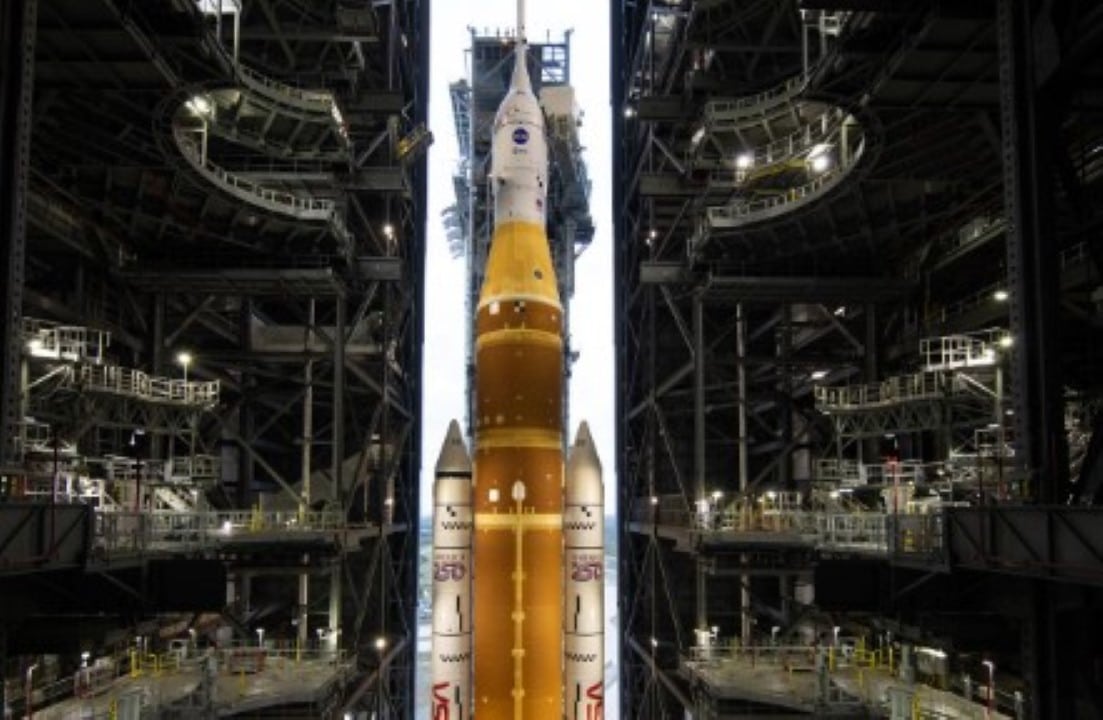
The period between March and May 2026 marked an intense phase for global astronomical documentation. Profissionais experts have recorded complex celestial phenomena and milestones in contemporary space exploration. The main highlight involved the takeoff of the Artemis 2 mission rocket, in addition to the capture of galaxies located millions of light years from Terra. The images obtained combine technical precision and historical value for science.
Obtaining these records required rigorous planning and strategic positioning in different regions of Estados Unidos. The lenses captured everything from the raw power of the thrusters on Centro Espacial Kennedy, on Flórida, to the subtlety of star formations seen from the Apalaches mountains. The work demonstrates the evolution of optical equipment available for earth observation. Photographic material serves as a documentary record of current technological advances.
Moon rocket Decolagem requires specific capture techniques
Photo reporter Josh Dinner followed the launch of Sistema by Lançamento Lunar on April 1st. The rocket’s structure generated intense vibrations that reached the area reserved for the press at the American space agency complex. The professional had to adapt the camera settings in fractions of a second. The light intensity generated by the solid propellants represented the greatest technical challenge during the vehicle’s ascent.
The strategy adopted involved the intentional underexposure of the photographs. The method made it possible to record the exact contours of the flames coming out of the main engines. The photographer kept the shutter speed at the minimum acceptable limit for the distance he was at. The raw files generated showed dark areas in most of the initial composition. Further processing corrected the light levels and revealed the rocket’s complete structure.
An unforeseen meteorological factor changed the final result of some images. A storm hit the coastal region of Flórida the night before the space event. Pequenas drops of water remained on the surface of the lenses used in the cover. The liquid created unique optical reflections when light from the engines hit the glass. The serendipitous effect added a different visual layer to the standardized release records.
Observação from distant galaxies reveals details in the night sky
Longe from the hustle and bustle of the launch pad, editor Brett Tingley sought ideal dark conditions in the Apalaches mountains on March 28th. The expedition’s target was Nebulosa of Bode, officially cataloged as Messier 81. The celestial body reached perfect positioning in the sky shortly after dusk. The absence of light pollution in the mountainous region made long exposure work easier.
Messier 81 consists of a spiral galaxy located 11.6 million light years from our planet. The formation is part of the Ursa Maior constellation and is among the brightest objects visible from Terra. The equipment used was able to isolate the specific light emitted by the stars in that region. The capture revealed the galaxy’s spiral arms with clarity beyond the capabilities of the human eye.
Observing deep-sky objects requires absolute stability of the equipment for minutes or hours. Motorized tracking followed the Terra’s rotation to keep the galaxy centered on the camera sensor. Photons that traveled for millions of years hit Earth equipment and formed the final image. The process requires patience and precise knowledge of celestial coordinates.
Advanced Equipamentos transform the terrestrial astronomical record
The quality of the images released directly depends on the technology used by professionals during the observation sessions. The tool set combines precision optics with high-performance digital processing. Items used include:
- Telescópio Celestron Origin Mk II configured for light collection in extreme low light environments.
- Nebula Filtros designed to block light pollution and highlight specific gas emissions.
- Full format digital Câmeras with sensors adapted for long exposure astrophotography.
- Sistemas equatorial tracking that compensates for the planet’s rotational movement during captures.
- Programas advanced editing dedicated to stacking and processing files in RAW format.
The integrated use of these technologies has democratized access to images that previously only belonged to large government observatories. Modern Sensores capture more light in less time, reducing digital noise in photographs. The portability of today’s telescopes allows photographers to search for locations with the best atmospheric conditions. The practical result is an increasing volume of visual data about the universe.
Space Tripulação documents Via Láctea during historic mission
The visual recording work went beyond the limits of the Earth’s atmosphere with the participation of the Artemis 2 astronauts. The crew used photographic equipment on board the spacecraft during the trajectory towards lunar orbit. Space travelers captured Via Láctea without interference from our planet’s atmosphere. The luminous streak of our galaxy was photographed contrasting with the absolute darkness of deep space.
The images sent by the crew show structural details of the galactic plane. The record displays nebulae with pink tones and dense clouds of dark dust that block the light from the stars in the background. A satellite galaxy appears in the composition as a concentrated white spot. The orbital perspective offers an observation angle that is impossible to replicate by telescopes based on the Earth’s surface.
The Artemis 2 mission represents the resumption of manned flights to the lunar region after a hiatus of several decades. The American space program uses the SLS rocket to propel the capsule with astronauts on a trajectory around the Lua. The vehicle integrates aerodynamic concepts tested in the space shuttle era with new propulsion systems created for interplanetary travel. Visual documentation is part of the secondary objectives of the expedition.
Global Iniciativa encourages sharing of celestial images
The dissemination of this photographic material is part of an editorial project focused on expanding astronomical knowledge. The aim is to bring the public closer to recent achievements in space exploration and observational science. Regularly publishing high-resolution images helps document changes in the night sky and the advancement of manned missions. The portal responsible for the images maintains an open channel for the community of observers.
Leitores and astrophotography enthusiasts are constantly encouraged to submit their own records from space. The email address spacephotos@space.com serves as a repository for images captured by amateurs and professionals around the world. The platform also promotes technical and scientific debate through comment sections on each article. Exchanging information about equipment and techniques strengthens the global community of night sky observers.



