
Samsung regains leadership in the global smartphone market with growth in sales of the Galaxy S26

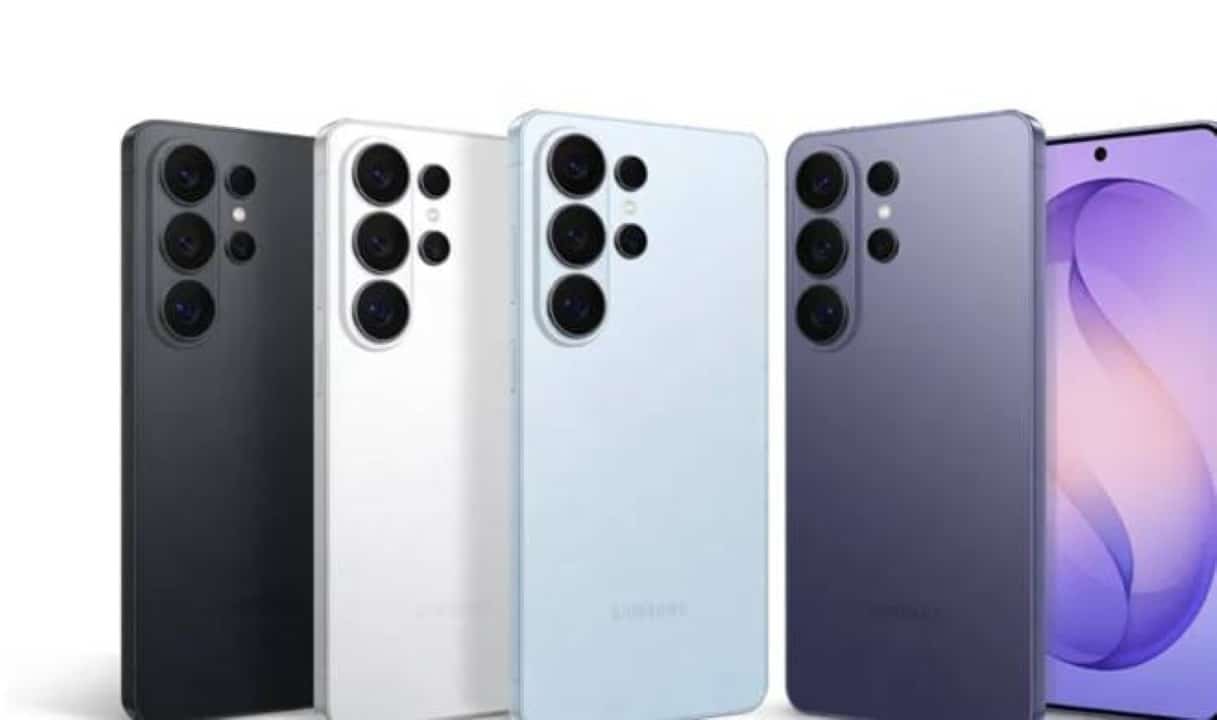
Samsung regained the top position in the global smartphone market during the first quarter of 2026. The South Korean company recorded the shipment of 65.4 million devices to retailers between the months of January and March. The volume represents growth of 8% compared to the same period of the previous year. With this result, the manufacturer achieved a 22% share of the sector. The movement reverses the trend observed throughout 2025. Naquele at the moment, the leadership had been in the hands of the main American competitor.
The commercial performance of the Galaxy S26 line was the determining factor for the change in the scenario. The most advanced model in the family surpassed initial sales projections. The Ultra version became the most sought after device of the new generation, despite the high price charged in stores. Paralelamente, the Galaxy A series has maintained a steady stream of commercialization in emerging countries. The combination of entry-level devices and premium products guaranteed the brand’s financial stability during the period.

Estratégia from the South Korean manufacturer guarantees its return to the top of the ranking
The consolidation of Samsung in first place reflects an approach focused on diversifying the catalog. The company was able to serve different consumer profiles with simultaneous launches. Market Analistas point out that the rapid availability of products on global shelves helped capture pent-up demand from the end of last year. The strategy avoided logistical bottlenecks common in the technology sector.
The numbers show that the acceptance of the new artificial intelligence features embedded in the devices attracted the public. The manufacturer invested in aggressive advertising campaigns to highlight software innovations. The marketing effort resulted in a higher upgrade rate from the brand’s longtime users. Customer loyalty has proven essential to sustaining shipment volumes in the millions.
Especificações premium model techniques attract demanding consumers
The success of the main line is directly linked to the hardware components chosen for the most expensive version. The Galaxy S26 Ultra features a set of features aimed at high performance. The device integrates recent image processing and capture technologies. The detailed specifications reveal the company’s focus on offering a fluid user experience.
The main highlights of the device include:
- Tela Dynamic 6.9-inch AMOLED 2X with QHD+ resolution and 120 Hz refresh rate.
- Brilho maximum 2,600 nits for clear viewing in direct sunlight.
- Processador Snapdragon 8 Elite Gen 5 developed by Qualcomm.
- Opções memory with up to 16 GB of RAM and 1 TB of internal storage.
- 200 MP main Câmera equipped with optical image stabilization and f/1.9 aperture.
- Rear Módulo with four lenses, including five-magnification optical zoom.
- 5,000mAh Bateria with 60W fast charging support.
- Certificação IP68 which guarantees resistance against water and dust.
- Sistema operational Android 16 running under One UI 8.5 custom interface.
The weight of the equipment is 214 grams, with dimensions of 78.1 by 163.6 by 7.9 millimeters. The physical construction maintained the visual standard of the previous generation, but brought refinements to the materials used. The durability of the chassis was one of the points praised by the smartphone’s first buyers.
American Concorrente maintains sales volume without entering into a price war
Apple ended the quarter in second place in the global ranking. The company sold 60.4 million iPhone units in the first three months of 2026. The result guaranteed a 20% share of the total market. The performance was driven by continued demand for the iPhone 17 models and the 17e version, especially in the Japanese market. The brand’s annual growth was around 10%.
The Chinese territory presented impressive numbers for the manufacturer’s most expensive devices. The iPhone 17 Pro and Pro Max versions saw a 42% jump in local sales. The increase surprised technology sector experts. The Asian region usually presents strong competition from domestic brands, but consumers have shown a preference for the American company’s closed ecosystem.
Apesar lost its overall leadership, Apple’s strategy remained focused on profitability per device sold. The company’s management chose not to reduce prices to compete directly with the South Korean rival’s broad portfolio. The decision avoided a war of values that could compromise profit margins in the long term. The conservative stance protected the company’s cash flow in the face of global economic fluctuations.
Chinese Marcas faces downturn due to rising production costs
The scenario was less favorable for other technology giants based on Ásia. Xiaomi recorded a 19% drop in shipment volume during the first quarter. The company suffered the direct impact of the rise in the prices of electronic components. Mais half of the cell phones sold by the brand cost less than US$ 200. Esse entry segment has very narrow profit margins and quickly feels any variation in manufacturing costs.
Global inflation has also reduced the purchasing power of Xiaomi’s target audience. Consumers of basic devices have postponed trading in their old phones. The movement generated an accumulation of stock in the company’s distribution centers. The board is now looking for alternatives to balance the accounts without passing on the entire cost increase to the final price of the product in retail stores.
Outras Chinese manufacturers followed the downward trend in the analyzed period. OPPO recorded a 6% reduction in sales, while vivo recorded a 7% decline. Diante retraction, OPPO confirmed the integration of the operations of its subsidiary brands OnePlus and Realme within the Chinese market. The administrative merger aims to cut operating expenses and optimize the supply chain for the coming months.
Projeções indicate cautious scenario for the second half of the year
Apesar Despite the difficulties faced by some companies, HONOR stood out with significant growth. The brand saw a 19% increase in shipments, reaching 19.2 million units sold. The advance was driven by the expansion of operations at Oriente Médio and África. The manufacturer found room to grow in regions where smartphone saturation is still lower compared to Western markets.
The global market as a whole registered a timid expansion of just 1% in the quarter. The low number indicates fragile stability in the telecommunications sector. Especialistas point out that part of this slight growth occurred artificially. Algumas Automakers anticipated the purchase of parts and accelerated production to avoid future adjustments in input prices. The tactic of inflating stocks early masks real consumer demand in stores.
The second half of 2026 presents significant risks for the mobile device industry. The continued increase in the price of DRAM memories and storage modules could further pressure companies’ financial margins. The disconnect between the volume of devices manufactured and the quantity actually purchased by the public creates the danger of overproduction. The cell phone replacement cycle is getting longer and longer, requiring brands to adjust their revenue expectations to avoid structural losses in the next balance sheets.





