
Scientific project traces Leonardo da Vinci’s lineage and locates fifteen living heirs

An international genetic research work has mapped the family tree of Leonardo from Vinci to the year 1331. The study identified 15 living descendants of the Renaissance genius. The investigation confirmed DNA markers that span 21 generations of the Italian family. The historical survey lasted three decades. Scientists are now searching for remains in ancient tombs to try to reconstruct the inventor’s complete genetic profile.
The discovery represents an unprecedented advance in science and art history. The recently published book on the topic consolidates the work led by Associação and Patrimônio Leonardo Da Vinci experts. The local city hall supported the reconstruction of the family tree. The document covers more than 400 individuals documented under strict traceability criteria. Essa database creates the ideal setting to unravel the biology of one of humanity’s most brilliant minds.
Análise of the Y chromosome confirms biological connection with the artist
Researchers dedicated more than two years to studying archival records in the Toscana region. Meticulous work revealed unknown family branches. The team traced the paternal lineage from Leonardo’s father, Piero, and his half-brother, Domenico Benedetto, to the current century. The identification of the 15 living men directly linked to this paternal line boosted molecular research in a decisive way.
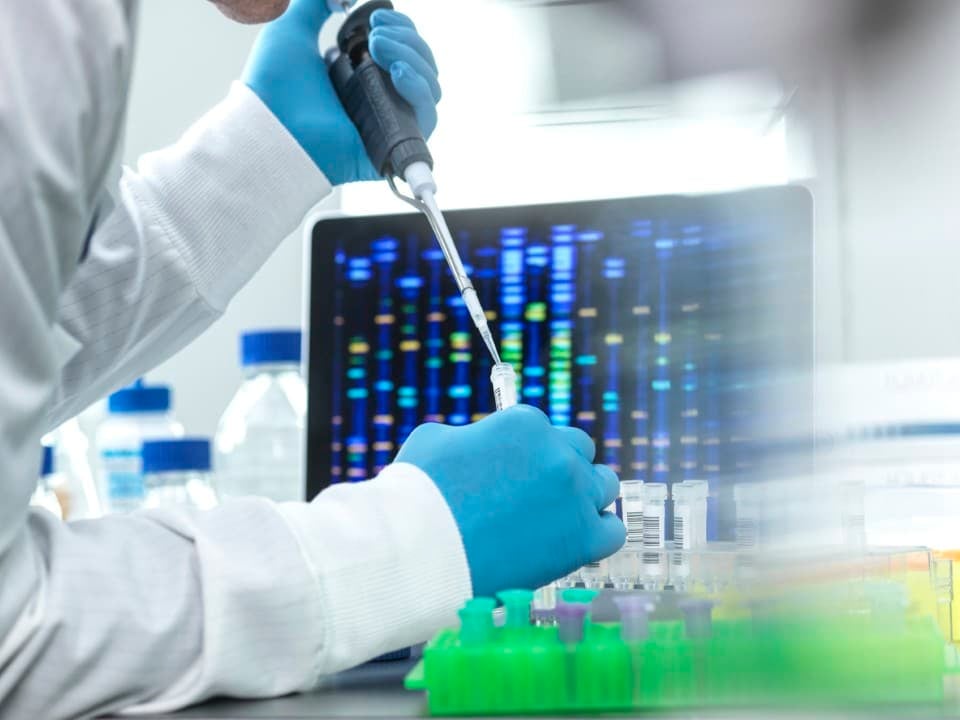
Departamento of Biologia of Universidade of Florença coordinated the genetic analysis of the current heirs. The work required laboratory precision. Experts extracted DNA samples from six direct descendants of the paternal line. The results showed identical segments of the Y chromosome among all participants tested during the research. The genetic marker passes from parent to child with minimal changes over the centuries. The discovery confirmed continuous male lineage in the Da Vinci family for at least 15 generations.
Molecular evidence validates historical documents found in Italian archives. The material provides a real biological bridge between the artist and people alive today. Scientists plan more detailed analyzes to assess the state of preservation of the extracted DNA. The success of this step suggests that even older genetic materials may be viable for future sequencing studies.
Escavações in tombs seek remains of ancient relatives
Scientific investigation has advanced to an archaeological phase at Igreja from Santa Croce. The historic temple is in the city of Vinci. The excavations take place in partnership with Universidade of Florença to locate remains from past generations. Anthropologists have already recovered bone fragments at the archaeological site during the first incursions.
The excavation site houses the remains of several direct family members of the Renaissance inventor:
- Antonio, paternal grandfather of Leonardo.
- Francesco, uncle who left properties as an inheritance.
- Antonio, Antonio and Giovanni, the artist’s three half-brothers.
- Pandolfo, close relative of the same documented lineage.
Alguns bone specimens underwent radiocarbon dating and preliminary paleogenomic testing. One of the fragments presented an age compatible with that of its historical relatives. Initial analyzes indicate that the individual was male. The finding increases the likelihood of obtaining Y chromosome DNA for direct comparison with living men today.
The genetic correspondence between the remains and current descendants will strengthen the documentary records. The global project began in 2016 under the coordination of Universidade Rockefeller, in Nova York. The initiative brings together leading institutions from Califórnia and Washington. The strategy focuses on the Y chromosome to avoid the complications of maternal inheritance over centuries of history.
Descoberta with a new design suggests youth work in his hometown
The research also explored the historical environment of the Da Vinci family properties. Experts have identified seven houses in Vinci’s village and castle. Duas of these properties were directly owned by Leonardo after a legal dispute with his half-siblings. The study reviewed the role of the grandfather Antonio, who acted as a traveling trader between Catalunha and Marrocos. Novos documents suggest that the artist’s mother, Caterina, may have been a slave in the service of a wealthy banker of the time.
Durante investigations, the team found a charcoal drawing on the fireplace of an old building known as Casa Bracci. The work displays a fantastic creature with a spiral horn, elongated snout, curved teeth and a serpent’s tail. The researchers named the image Dragão Unicórnio. The figure anticipates the inventor’s later studies on flight and animal dynamics.
Comparisons with drawings from the 1470s indicate that the image may be an early work by the master. The local city hall prepares a detailed examination of the large drawing under the supervision of cultural heritage authorities. The piece measures approximately 80 by 70 centimeters. The hypothesis of juvenile authorship gained support from the board of directors of Museu and Biblioteca Leonardiana.
Autenticação of works of art can change with genetic sequencing
The book published by the researchers analyzes Leonardo’s own thoughts on heredity. Ancient writings suggest that he anticipated modern concepts of epigenetics. The artist considered how parents’ diet and behavior could influence their children’s education. The main objective of the current project remains focused on retrieving accurate and verifiable biological information.
The reconstruction of the genetic profile represents a milestone in world cultural history. Scientists hope to sequence enough genetic material from original manuscripts, drawings or paintings. Recovering this DNA can reveal details about the inventor’s physical appearance, health, and biological predispositions. Biological material found in old papers could confirm the authenticity of works contested by experts.
Modern technology makes it possible to extract cells from a tiny fingerprint left on a page centuries ago. Current biology expands the frontiers of historical knowledge. The validation of art assignments will undergo an unprecedented technical revolution. The Tuscan town of Vinci celebrates the possibility of accessing the genetic heritage of its most illustrious son.
International research bridges the past and future of forensic science. Experts believe that the methodology applied in the case of the Da Vinci family will serve as a model for other historical figures. The genetic mapping of Renascimento personalities once considered lost forever becomes a tangible reality. Cross-referencing ancient archival data with next-generation sequencing technology sets a new standard for modern archeology and the preservation of global memory.





