
Switzerland confirms infection with Andean strain of hantavirus in cruise passenger


Suíça confirmed this Wednesday (6) the first case of infection with the Andean strain of hantavirus outside of América, Sul and África. A passenger on the MV cruise ship Hondius was hospitalized on Zurique after testing positive for the virus. Ele went to a hospital reporting symptoms of the disease and was immediately isolated. Sua’s wife also went into isolation as a precaution, although without showing signs of infection so far.
The Swiss Ministério of Saúde reported that the reference laboratory of Hospitais Universitários of Genebra confirmed that it is the American variant of hantavirus. Este man was returning from a trip to América’s Sul at the end of April and had traveled on the luxury cruise where several cases were recorded. Autoridades investigate the contact the patient had with other people while he was ill, but assess that the risk to the population in Suíça is low.
Human-transmissible Cepa differentiates this outbreak
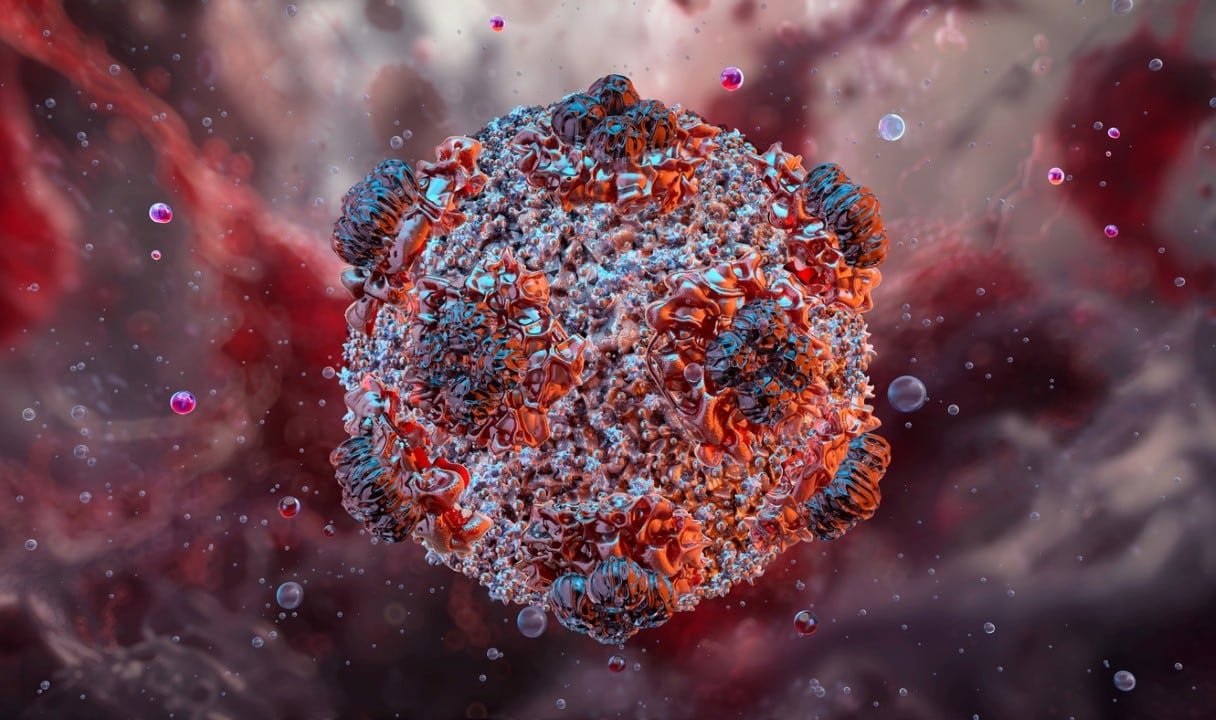
The South African Saúde minister, Aaron Motsoaledi, explained the seriousness of the situation in statements to a parliamentary committee. “Initial tests show that it is, in fact, the Andean strain. Esta is the only one, among the 38 known, capable of being transmitted from one person to another.” The capacity for human transmission makes this outbreak exceptional in the global context of infectious diseases.
Diferentemente of the European hantaviruses, transmitted through the feces of infected rodents, the American variant can be transmitted from person to person in close contact situations. The Swiss Ministério of Saúde highlighted that these cases of human transmission are rare, which explains the low risk assessment for the Swiss population at this time. Transmission, as reported, only occurs in situations of close contact with infected people.
Cruzeiro MV Hondius remains under international scrutiny
The ship that became the focus of the outbreak remains with 88 passengers and 59 crew on board, representing 23 different nationalities. The vessel was heading from the southern tip of Argentina to the Cabo Verde archipelago when the outbreak was detected. Dois passengers were transferred to Joanesburgo, in África from Sul: one died during treatment, while the other remains hospitalized.
Três people who traveled aboard the ship died in total, according to Organização Mundial of Saúde. The deaths include a Dutch couple and a German woman. Cabo Verde reported that an operation is underway to evacuate three infected people to the capital, Praia, to receive specialized treatment.
Negociações diplomatic about cruise destination
Após announcement by Organização Mundial of Saúde on Tuesday (5) that the ship would proceed to a Spanish port, the regional government of Ilhas Canárias announced this Wednesday its opposition to the docking of the vessel. The decision was made after Spanish Saúde’s Ministério informed that MV Hondius intended to anchor in Tenerife. The diplomatic impasse reflects international concerns about the management of the outbreak and the possibility of the virus spreading to new ports.
The expedition departed from Ushuaia, at the southern end of Argentina, on April 1 and had been anchored near the port of the Cape Verdean capital since Sunday. The voyage schedule faced significant changes due to confirmed cases on board.
Fatos essentials about the outbreak
- Três deaths confirmed by WHO among cruise passengers
- 147 people on board (88 passengers, 59 crew) of 23 nationalities
- Andean Cepa is the only one of 38 known hantavirus variants with person-to-person transmission
- Dois cases evacuated to Joanesburgo, one death and one hospitalized
- One confirmed case in Suíça undergoing treatment in Hospital Universitário of Zurique
- Espanha rejects ship docking at Ilhas Canárias
- Transmissão occurs only in close contact with infected people
Protocolos toilets in force
Swiss Saúde’s Ministério highlighted that authorities are closely monitoring the situation and consider the emergence of new cases in the country unlikely. The Swiss patient and his wife remain under continuous surveillance. Investigations continue to identify possible risk contacts during the period in which the man was infected.
The confirmation of the Andean strain represents the first documented detection of this transmissible variant among humans outside the American continent in an international travel context. Swiss and South African reference laboratories coordinate efforts for epidemiological monitoring of the global situation.





