Total eclipse of 2027 will last 6 minutes and 23 seconds and will not repeat for 157 years
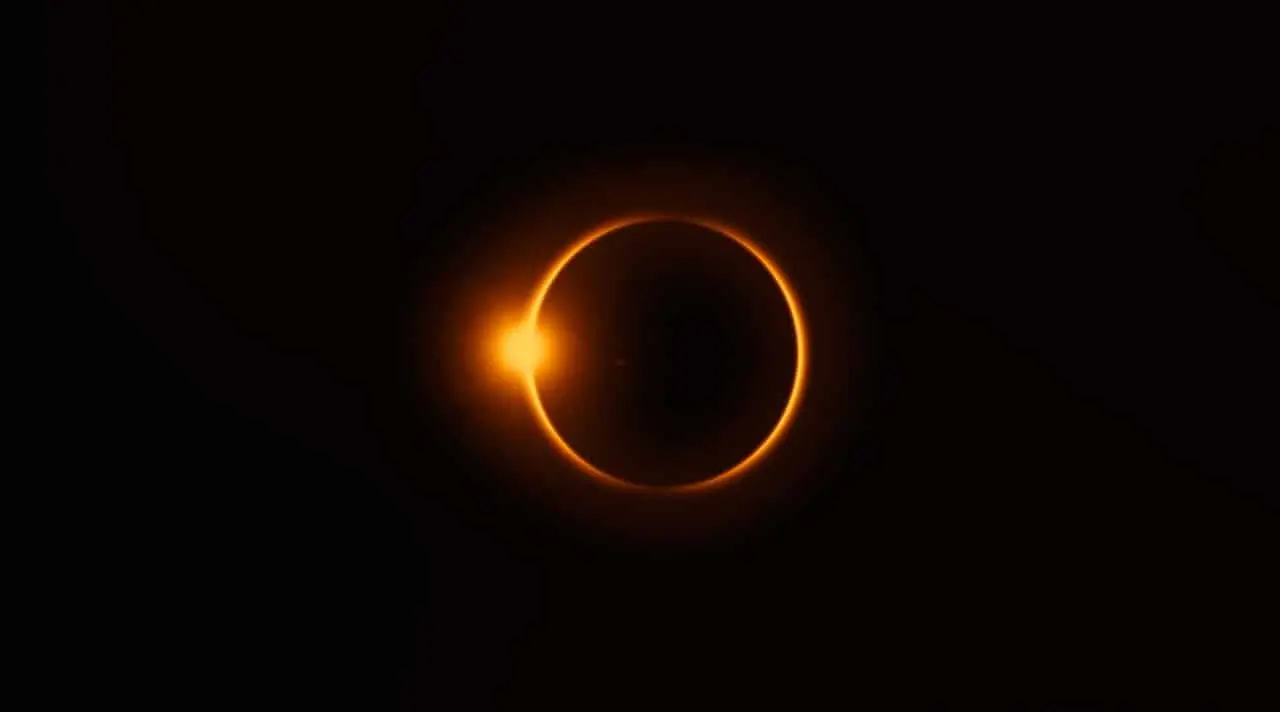
The most anticipated astronomical phenomenon of the 21st century already has a confirmed date. On August 2, 2027, the longest-lasting total solar eclipse of the period will be visible on different continents and is expected to attract observers from around the world. Totality will last approximately six minutes and 23 seconds, during which time day will turn to night in specific regions of the planet.
Especialistas emphasize that an eclipse with these characteristics will not occur again before 2184. The combination of long duration and specific alignment conditions makes 2027 one of the most relevant moments for observational astronomy.
Faixa visibility spans three continents
The visibility of the eclipse will be restricted to a specific area of the globe. The phenomenon can be followed with greater intensity in Norte of África, in Oriente Médio and in parts of Europa. Regiões like Groenlândia and Islândia will also receive the full alignment.
Península Ibérica appears among the most favored areas. Segundo information from astronomy agencies, País Basco, especially the province of Álava, in Espanha, will offer privileged conditions for observation. Estima saw great public mobilization in these regions.
Fenômenos rare during totality
Durante the period of totality, the sky will darken enough to allow the viewing of stars and some planets. Dois specific effects arouse great interest among astronomers and observers:
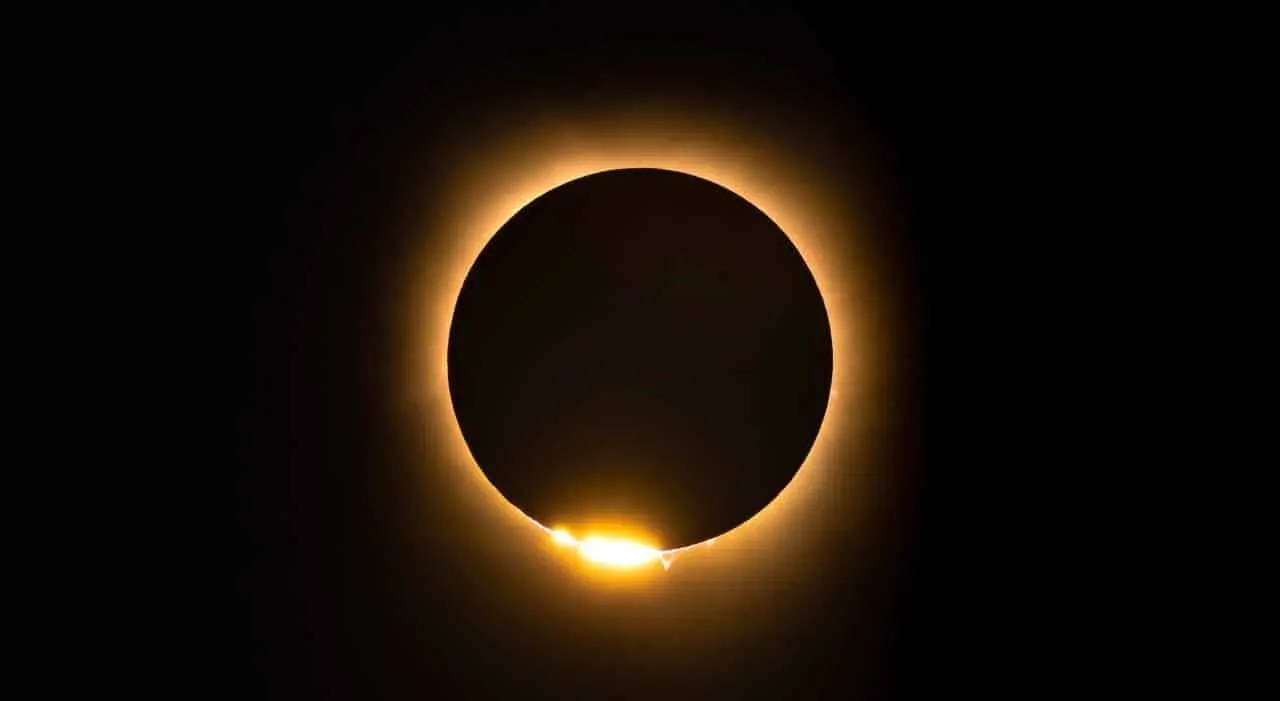
- Pérolas from Baily: points of light that appear when solar rays pass through irregularities on the lunar surface, creating a pearl effect on the edge of the solar disk
- Anel of Diamante: intense light beam that remains visible moments before full coverage of Sol, lasting a few seconds
Esses phenomena are brief, but considered among the most striking moments of an eclipse. The precise alignment between Terra, Lua and Sol creates unique conditions that are very rare.
Security Recomendações for Observation
Especialistas in astronomy advises the mandatory use of specific glasses during all phases, with the exception of the brief period of totality. Direct observation without adequate protection causes permanent damage to vision.
Leia Também

Three days after earthquake, rescue teams find 11-year-old boy under rubble in Venezuela

Dispute in Austria: Russell takes pole position in the 2026 Formula 1 GP; find out where to watch in the USA and 7 other countries

Complete guide to external batteries in 2026 with affordable options and high-performance models
Eclipse glasses use special filters that reduce sunlight by millions of times. Durante completely, the use of protection is not necessary, as the Lua completely blocks solar radiation. Antes and after this period, however, protection becomes essential again.
Organizações international astronomy experts reinforce that even short periods of unprotected exposure can result in burns to the retina, leading to partial or total loss of vision. Precaution must be rigorous, especially in prolonged observations.
Post-eclipse astronomical Calendário
The 2027 event does not end the calendar of significant phenomena. In 2028, a partial eclipse is predicted as a continuation of a less frequent sequence of these events.
Astrônomos is already working on research projects to make the most of the 2027 eclipse. Universidades and space agencies plan simultaneous observations in multiple locations to collect data on the solar corona, magnetic activity and other aspects that are still poorly understood of the phenomenon.
The exceptional duration of six minutes and 23 seconds provides a wider window than most eclipses for gathering scientific information. Esse factor reinforces the importance of the event for the international astronomical community.