
Xiaomi prepares international launch of new Poco tablet with fluid screen and high resolution

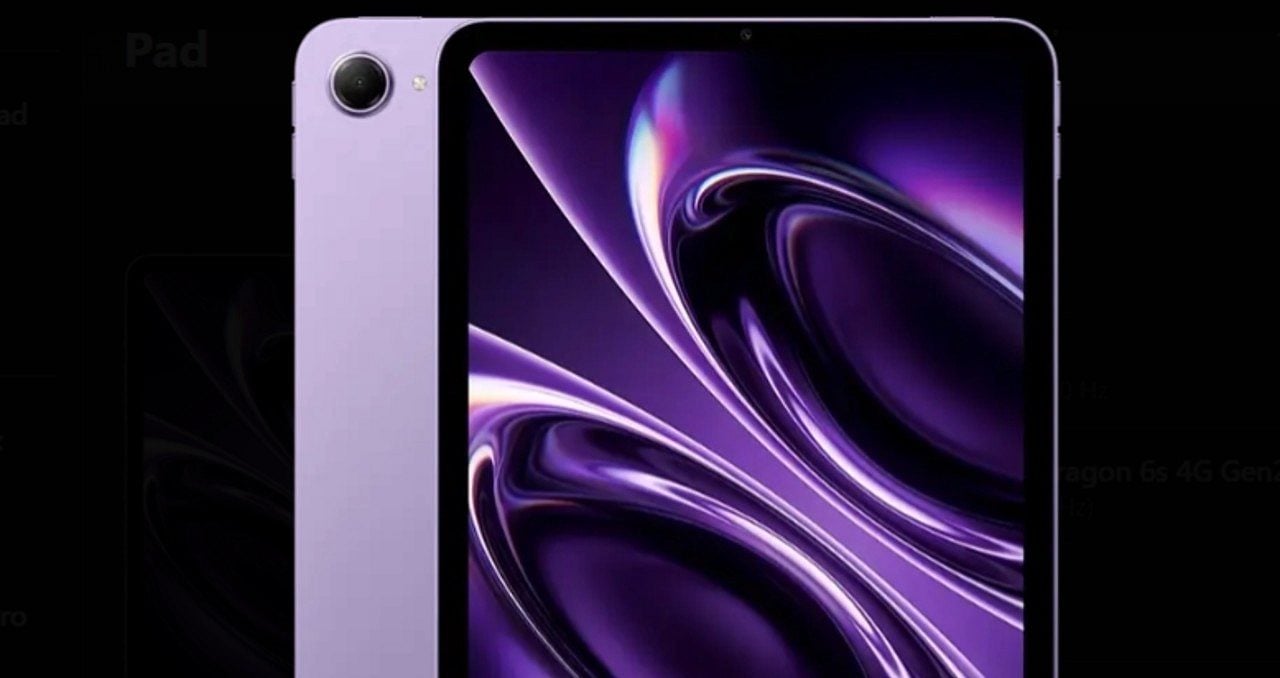
Chinese manufacturer Xiaomi organizes the introduction of a new mobile device aimed at the entry-level segment in the international market. The equipment comes under the umbrella of the subsidiary Poco and seeks to attract consumers interested in large screens for media consumption and daily browsing. Recent Documentos approvals issued on the Estados Unidos confirm the physical existence of the product. The regulatory movement indicates an imminent launch outside Asian territory.
The device appears in official records with the identification code 2603APC14G. Analistas from the technology sector point out that the model consists of a direct adaptation of the already known Redmi Pad 2 9.7. The practice of renaming products for different regions represents a common Asian company business tactic. The central objective involves maximizing the reach of entry-level hardware through brands with distinct commercial appeals on each continent.

Estratégia International Expansion and American Certification
Passing the device through Comissão Federal from Comunicações from Estados Unidos represents the final step before global commercialization. The American regulatory agency approved the equipment under specific registration 2AFZZPC14G. The certification process guarantees that the product meets the rigorous radio frequency emission standards required internationally. Essa bureaucratic stage usually precedes the manufacturers’ official announcements by an interval of a few weeks.
The global market for low-cost tablets currently presents strong competition and heated demand. The Poco line traditionally focuses on a younger audience closely linked to electronic games. The introduction of a tablet under this banner suggests a clear attempt to diversify the brand’s portfolio far beyond traditional smartphones. The company seeks to capture the attention of students and independent professionals who need a second screen for basic productivity tasks.
Especificações techniques aimed at everyday use
The hardware set chosen by the manufacturer prioritizes fluidity in daily browsing and continuous video playback. The Snapdragon 6s Gen 2 processor acts as the main brain of the machine. The component natively supports 4G network connections. The basic configuration perfectly serves messaging applications, social networks and high-definition video streaming platforms without experiencing severe choking. The chip handles everyday use well.
The device’s internal features form a balanced package for the input device category. The technical data extracted from the approval documentation reveals the following hardware components:
- Painel 9.7-inch LCD with 2K resolution and 120Hz refresh rate
- Memória RAM of up to 4 GB combined with 128 GB of internal storage
- Suporte for memory expansion using microSD cards
- Bateria with 7,600 mAh capacity and 18-watt recharge support
- Sistema camera with 8 MP rear sensor and 5 MP front lens
- Audio Saída with dual speakers and traditional headphone jack
The presence of a screen with a 120Hz refresh rate represents an important technical difference in this specific price range. The specification guarantees much smoother image transitions when reading long texts on the internet. The feature minimizes user eye strain during prolonged sessions of continuous use. 2K resolution complements the visual experience with greater clarity in photographs, scanned documents and films.
Construção physics and design choices for portability
The external structure of the equipment uses metallic materials in its main composition. The thin chassis directly contributes to keeping the device’s total weight at around 401 grams. The lightweight format makes it easy to carry daily in school backpacks or small work bags. The ergonomics of the industrial design allow you to hold the device with just one hand while reading digital books or long articles.
The manufacturer’s design department chose colors certified by Pantone for the product’s external finish. The options cataloged in the documents include the Cinza Frio and Vermelho shades. The chromatic choice helps to eliminate the visual appearance of an excessively cheap product. The matte finish applied to the back reduces fingerprints during constant handling of the equipment throughout the day.
Sistema operational and integration into the brand ecosystem
The software embedded in the device is based on the proprietary HyperOS 3 interface. The operating system runs on the updated Android 16 foundation. The platform developed by Xiaomi features native artificial intelligence tools for optimizing battery consumption and intelligent RAM memory management. The interface features completely redesigned icons and smoother system animations in direct comparison to previous versions of the software.
The integration between different devices from the same manufacturer gains enormous prominence in the new operating system. Usuários of the brand’s smartphones can transfer large files to the tablet almost instantly. The continuity feature allows you to start typing a long email on your cell phone and finish the text on the tablet’s larger screen. Synchronization of app and clipboard notifications occurs in real time over local wireless connection.
Posicionamento price in the entry segment
Market analyst projections indicate a launch value of close to US$140 in international retail. The aggressive price puts the equipment on a direct collision course with basic models from other Asian manufacturers. The business strategy involves sacrificing profit margins on hardware to quickly expand the user base of the proprietary operating system. The absence of a plug adapter in the box reflects the cost-cutting measures adopted by the company to keep the final price low.
Official product distribution on América Latina will depend on local import and logistics policies. The regional tax burden tends to increase the final price on physical shelves and online stores. The manufacturer maintains official sales channels operating in several South American countries. The business model focused on high sales volume in emerging markets supports the economic viability of the global expansion project for the tablet line.



