The Honda CR-V will face an automotive market radically different from that seen in previous generations. The model arrived at Brasil in 2024 with its sixth generation, precisely when the offensive of Chinese brands redefines competition standards in the utility segment. The Japanese company bet on consolidated engineering and the loyalty of consumers who seek recognized products, not on keeping up with the aggressive pace of launches and prices from Asian manufacturers.
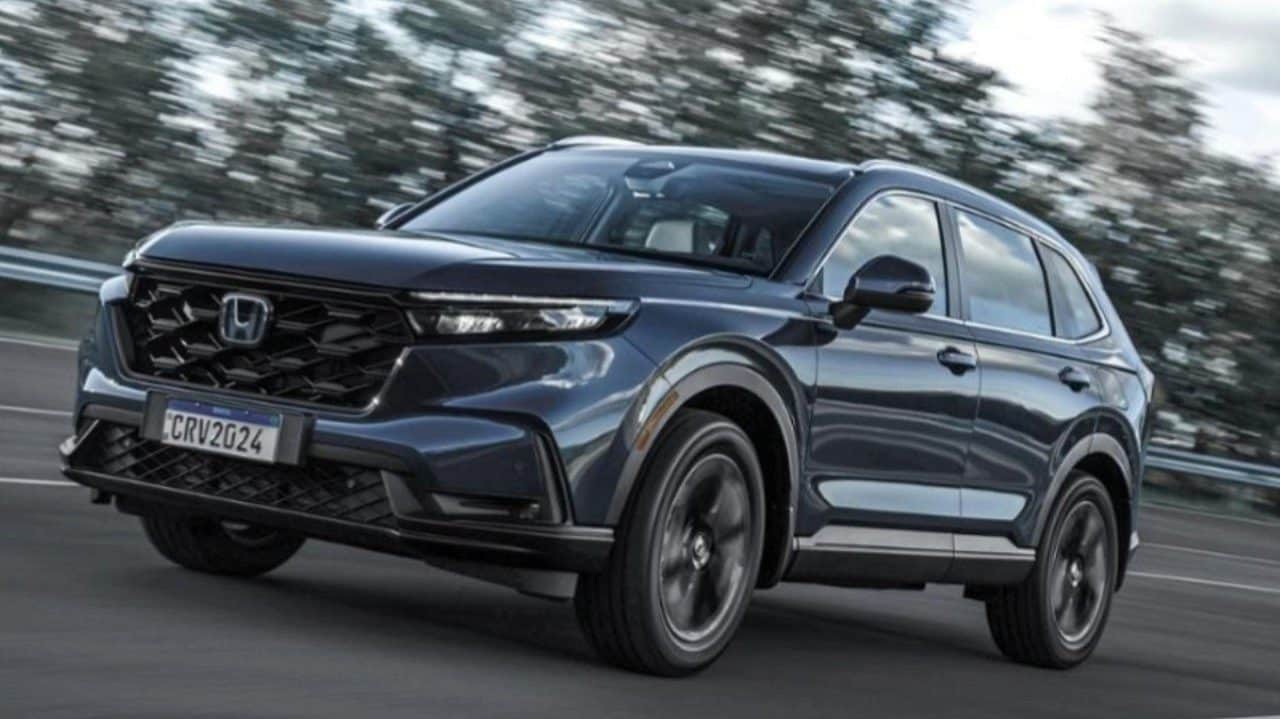
Posicionado as the most expensive and sophisticated vehicle in the Honda line-up in Brasil, the CR-V Advance Hybrid takes on the role of the brand’s technological showcase. The suggested price of R$353,500 puts the utility vehicle below only the Civic Type R sports car in the national portfolio. Essa premium positioning strategy reflects how the Japanese manufacturer chose to compete: not through volume or price aggressiveness, but through perceived quality and trust accumulated over decades.
Eletrificação and technology as differentiators
The hybrid system integrated into the CR-V Advance represents the Honda’s response to fuel consumption and emissions challenges. The hybridization strategy is not new for the brand, but it gains relevance at a time when Chinese competitors offer models with electric technologies at fractions of the price charged by traditional manufacturers. The company is betting that Brazilian consumers will value mechanical robustness, technical assistance reliability and engineering history over isolated technical specifications.
The Brazilian automotive market has transformed substantially. Marcas like BYD, Geely and other Chinese manufacturers arrived with broad portfolios, competitive prices and proposals that combine electrification with advanced connectivity. Esses competitors capture a growing portion of consumers who previously looked exclusively to established brands. Honda, like other Japanese and German veterans, faces a strategic dilemma: maintain high profit margins or expand volume at reduced prices.
Branded Consolidação Against Aggressive Volume
Honda’s decision to keep the CR-V in the premium segment reflects a commitment to qualitative differentiation. Consumidores who opt for a vehicle priced at R$353,500 seek not only transportation, but confirmation of status and confidence in durability. The previous CR-V model gained a loyal owner base in the Brasil, and the sixth generation inherits that reputation. The manufacturer is betting that this intangible asset justifies a price premium even compared to cheaper Chinese alternatives.
Dados in the Brazilian automotive market shows a significant increase in the participation of Chinese brands. In 2023 and 2024, these manufacturers expanded sales while traditional brands faced pressure on margins. Honda is not alone in this challenge: Toyota, Hyundai and Kia also adjust strategies. Alguns models received price reduction or specification redesign to compete for volume. Outros, like the CR-V’s apparent strategy, maintain a premium stance and accept a reduction in market share in exchange for greater profitability per unit sold.
Utilities Segmento in Accelerated Transformation
The compact utility vehicle segment, in which the CR-V has historically operated, is experiencing fragmentation. Chinese Marcas offer plug-in hybrid and pure electric models with prices between R$150,000 and R$250,000. Traditional Fabricantes are divided between keeping up with this price aggressiveness or maintaining premium positioning with incremental technologies. Honda chose the second path in the CR-V. Isso means that the Japanese utility competes not only in technical attributes, but in the narrative of durability, resale value and quality of use experience.
Market Analistas assesses that the price segmentation strategy becomes unsustainable in the medium term. Price-sensitive Consumidores gravitate towards Chinese brands. Consumidores that value an established brand and consolidated engineering accept paying a premium. The challenge for Honda will be to maintain a large enough second category audience to justify continued investment in development. If volume drops too much, unit costs rise and competitiveness worsens.
Presença from Honda on Brasil and prospects
Honda maintains a factory in Sumaré, São Paulo, with lines dedicated to popular models and the mid-range segment. The CR-V, as an imported product or produced in Asian plants, depends on the brand’s global strategy. The manufacturer has invested significant resources in electrification over the last ten years, with hybrid and fully electric models in advanced development. No Brasil, however, electric charging infrastructure and energy costs still discourage mass adoption of 100% electric vehicles.
The sixth generation CR-V arrives at a critical moment. The brand needs to demonstrate that it can offer a competitive proposition even with prices substantially higher than those of Chinese rivals. Consumidores finally tested products from new manufacturers and many were satisfied. Isso automatically reduces the psychological premium that established brands enjoyed. Honda will have to win each new customer based on tangible attributes and recognition of value, not just historical reputation.
Fatores determinants for competitiveness
The perceived quality of the CR-V will depend on details: refinement of the hybrid engine, quality of interior materials, responsiveness of infotainment systems, excellent technical assistance and competitive warranty policy. The manufacturer invested in global platform standardization, which reduces development costs but may limit customization for specific markets such as Brazil. If the CR-V Advance Hybrid delivers on all these points, it will justify its price. Caso otherwise will lose customers to cheaper and equally reliable competitors.