Restarting iPhone Weekly Protects Against Invisible Malware, NSA Recommends
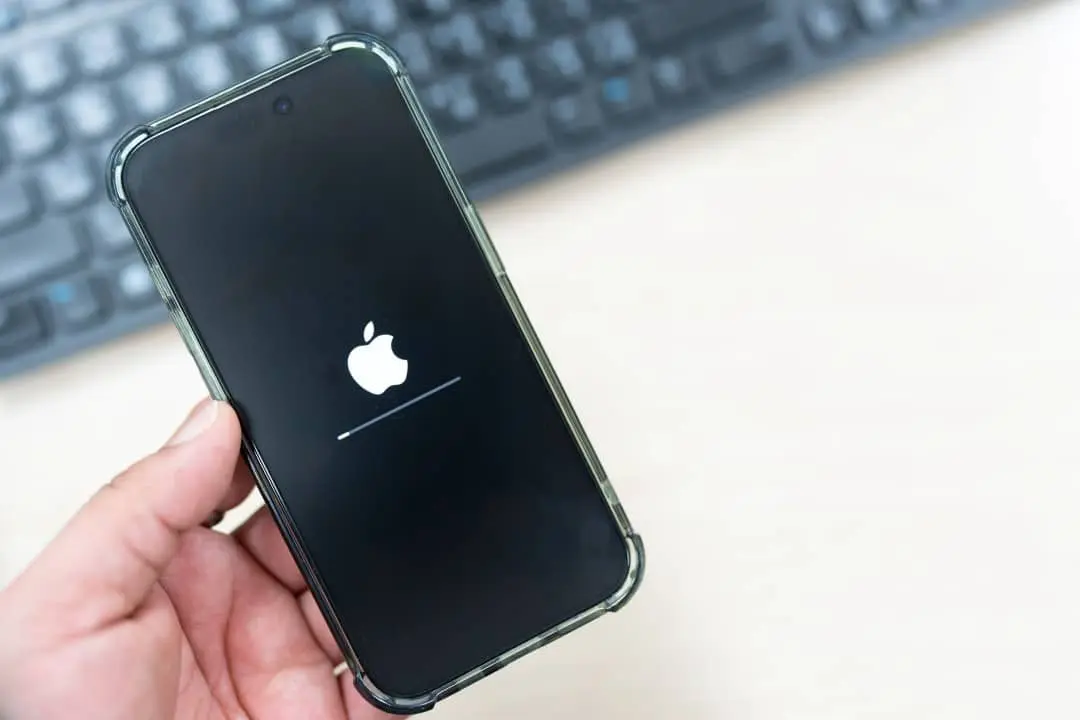
Agências cybersecurity experts recommend restarting your iPhone once a week as a preventative measure against sophisticated digital threats. The practice eliminates malicious software that operates exclusively in RAM memory, known as fileless malware, without leaving permanent traces on the device. Centro of Colaboração in Cibersegurança of Agência Nacional of Segurança (NSA) USA (NSA) identified concrete benefits in this simple preventive maintenance habit.
Como correctly restart iPhone
The procedure for restarting recent models varies depending on the generation of the device. Nos iPhones Após the control appears, slide the bar to turn it off completely.
On the same topic: Restarting iPhone weekly reduces risks of silent malware
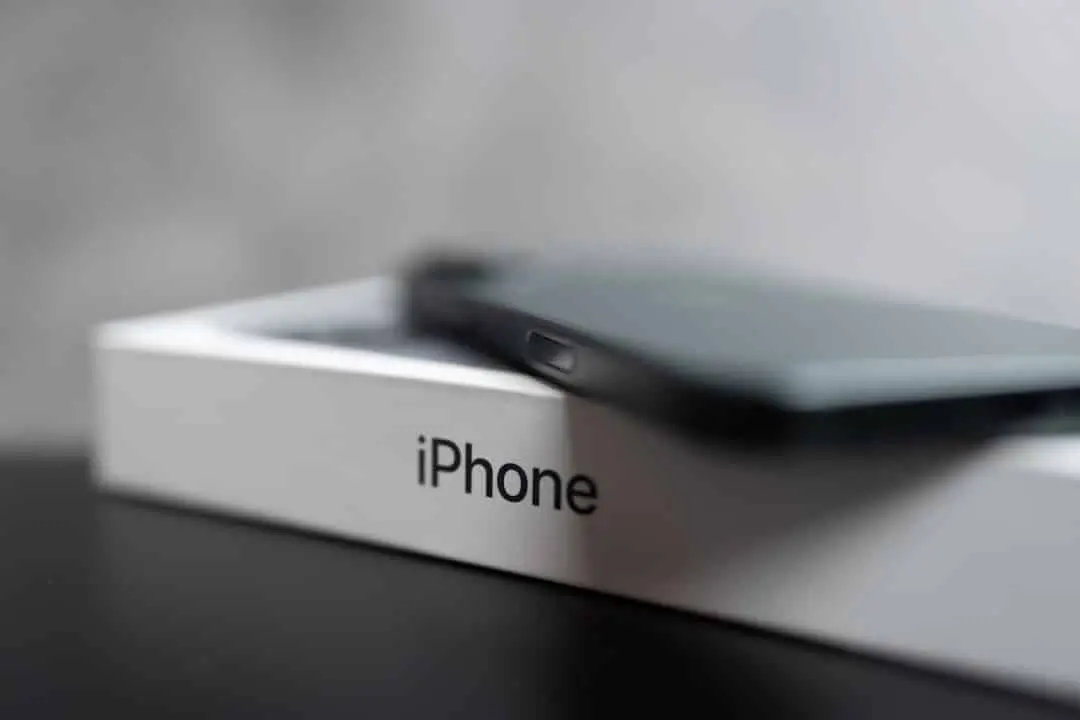
The device takes approximately 30 seconds to turn off. Para reactivates, press the side button again until you see the Apple logo. Este procedure guarantees the correct closing of active processes and reloading the operating system from scratch, eliminating any malicious code residing only in memory.
Why fileless malware poses real risk
Fileless malware operates solely in RAM memory, disappearing when the device shuts down completely. Diferentemente of persistent threats that leave files stored on the system permanently, this type of infection does not create traces detectable by conventional antiviruses. Especialistas in cybersecurity say that restarting represents an additional barrier against increasingly sophisticated attack techniques developed by cybercriminals.
The measure does not completely eliminate all threats, but it significantly reduces the impact of silent infections that evolve constantly. Pesquisadores security systems continually monitor for new vulnerabilities and fix them through automatic updates. Fabricantes and Apple implement frequent update cycles to keep devices protected against emerging threats.
More on this story: Hidden risk in public Wi-Fi networks: expert points out user vulnerabilities
See Also

Mortal Shell II redefines soulslike combat with aggressive, stamina-free defense

Chelsea shareholders consider stake sale and create uncertainty for the future

New titles arrive on Xbox Game Pass with releases in August and September
Práticas recommended security add-ons
Weekly Reset Além, the NSA recommends an integrated set of security practices to protect personal and financial data:
- Atualizar the operating system whenever new versions are released to fix identified vulnerabilities
- Usar unique and complex passwords for each account or online service, avoiding reuse
- Ativar biometric authentication (Face ID or Touch ID) as an additional layer of protection
- Definir PIN or strong unlock pattern, avoiding obvious or repeated sequences
- Nunca open links or attached files from unverified or suspicious senders
Jake Moore, global cybersecurity advisor at ESET, reinforces that regularly updated devices maintain better health and protection against emerging threats. The combination of frequent restarts and software updates provides robust defense against most contemporary digital attacks.
Comportamentos that increase iPhone vulnerability
Specific Ações compromise the integrity of the iPhone significantly. Abrir links of unknown origin expose the device to malicious redirects that steal banking details and credentials. Downloads files attached from suspicious email addresses carry potentially harmful code capable of infecting the operating system.
Procedimentos like jailbreaking removes security restrictions implemented by Apple deliberately. Essa practice eliminates layers of protection and exposes the system to direct malware infections. Usuários that make unauthorized modifications lose official support and face increasing vulnerabilities without the possibility of automatic correction.
Learn more: Android 17 brings threat alerts on mobile networks in the new beta version
Reutilizar the same password on multiple platforms amplifies the risk of unauthorized access exponentially. A compromise in one service compromises all others simultaneously. Weak Senhas, such as birth dates or simple number sequences, are breakable in seconds by publicly available brute force tools on the internet.