
Tim Cook reveals historic iPhone and iPod prototypes to mark 50 years of Apple

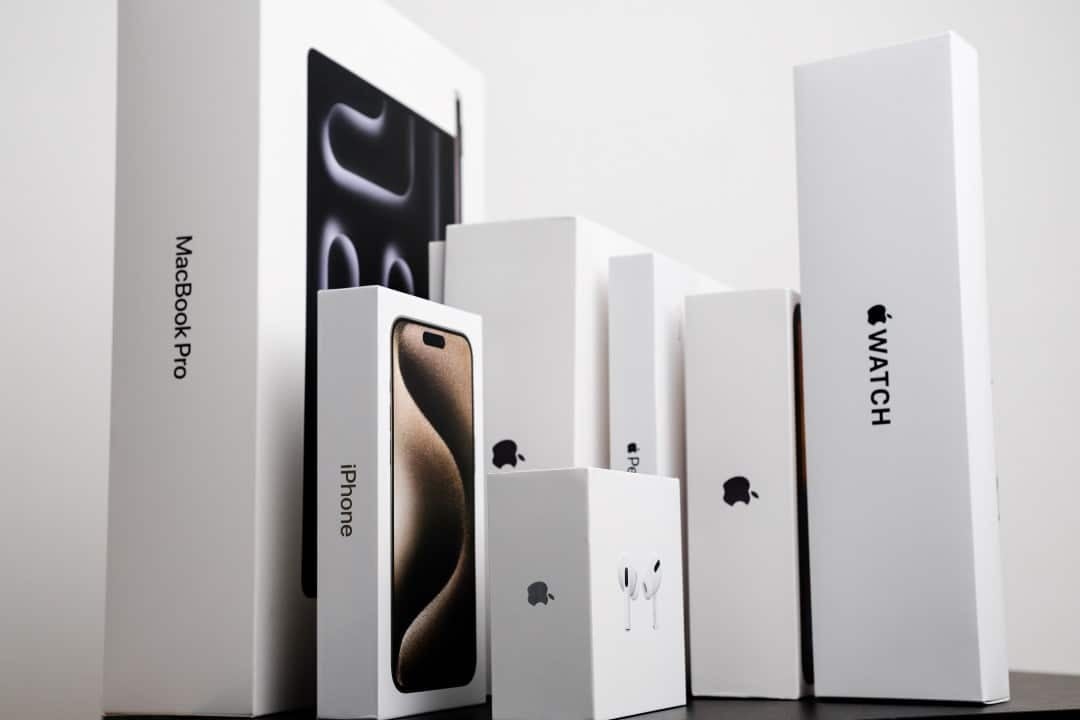
Apple CEO Tim Cook opened up the company’s secret files during a recent press conference, revealing never-before-seen prototypes of its most iconic products. The decision marks the electronics manufacturer’s 50th anniversary and offers technical perspective on how devices that redefined the global market were developed over the decades.
The items on display include original hardware components and patent documents that show the evolution from the first personal computer to today’s smartphones. The collection ranges from machines from the 1970s to contemporary mobile devices, providing a tangible record of the company’s technological trajectory.
Protótipos histories reveal crucial design decisions
Entre’s most notable items is an original iPod prototype from 2001, which featured a mechanical wheel navigation interface. The initial device contained hardware components that later became the basis for future portable audio releases, making it easy to navigate long playlists intuitively.
The exhibition also showcases the company’s original patent documents and key components. Selected materials range from the Apple II to modern mobile devices, demonstrating how electronic miniaturization and space optimization have evolved over five decades of continuous innovation.
Portable Music Players Evolução
- Protótipo iPod 2001 with mechanical wheel interface for track navigation
- Original hardware Componentes showing technological limitations of the time
- Documentos patent revealing engineering and design decisions of the period
- Evolução of Digital Audio Storage on Portable Devices
The transition from physical media players to digital devices is documented through pieces that illustrate how the industry faced storage capacity and battery life challenges. The initial prototype demonstrates how technical constraints shaped interface decisions, making efficient navigation in a limited space an engineering priority.
Circuitos original and engineering tests
The printed circuits displayed contain historical components of significant value to the history of computing. The demo includes test boards with hardware components that reflect the state of technology in different periods, from the desktop era to the mobile device revolution.
Cada preserved circuit board represents a specific milestone in product development. Accompanying white papers detail how engineers have solved miniaturization, power consumption, and performance problems over the decades, offering insights into prototyping methodologies that have shaped modern industry.
Documentação original technique and accessories
The collection includes wearable accessories that accompanied the first launches, showing how the company has expanded its product ecosystem. Itens like straps, covers and connectors reveal design decisions that prioritized compatibility and user experience in different usage contexts.
Esses auxiliary components demonstrate how Apple considered the complete user experience beyond the main device. The preservation of these accessories provides physical evidence of how health monitoring technologies and mobile communications capabilities have gradually evolved from theoretical concepts into viable commercial products that have transformed entire markets.
Preservação of corporate technical knowledge
Manter These prototypes and historical documents serve purposes that transcend corporate nostalgia. Preservation provides valuable technical reference for current and future engineers, allowing past design decisions to inform contemporary solutions without repeating previous mistakes. Documentos’s cataloged patents reveal how the company navigated between theoretical innovation and practical implementation over decades.
The items preserved in the archive function as a permanent record of technological evolution, demonstrating that aesthetic beauty and technical functionality are not conflicting objectives, but complementary. Essa historical approach reinforces that iterative development processes, where refinements occur continuously, represent the essence of the engineering methodology that defined the company’s success in global markets.



