
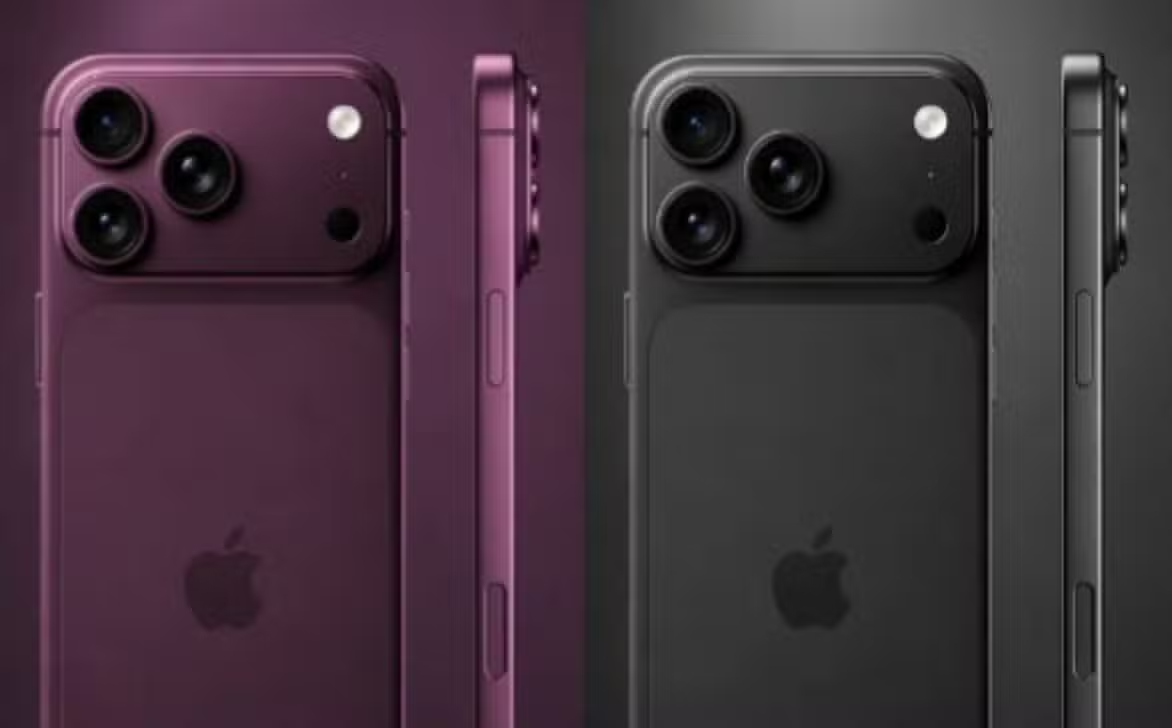
Apple is preparing a significant update to the screens of the upcoming iPhones 18 Pro. Next-generation LTPO+ technology will replace the conventional LTPO standard in the OLED panels of high-end models. Essa change promises to extend battery life and eliminate problems like flickering in low-light environments.
The panels for the iPhone 18 Pro and Pro Max, which will maintain the same 6.3-inch and 6.9-inch sizes as their predecessors, will mainly come from the Samsung Display and LG Display. BOE, a key supplier for the iPhone 17 Pro, has not received approval to manufacture panels for the 2026 models.
https://twitter.com/ShishirShelke1/status/2052353292974596499?ref_src=twsrc%5Etfw
Supplier Mudança reflects technical requirements
The replacement of suppliers is directly linked to the technical limitations faced by BOE. The company lagged behind Samsung and LG in both panel quality and production efficiency. The specific difficulties in manufacturing LTPO+ technology weighed on Apple’s decision to concentrate production on two experienced suppliers.
Samsung Display and LG Display have greater experience with advanced manufacturing processes. Ambas is able to maintain high quality standards and production speeds suited to the global demand for iPhones. The concentration of supply reflects the level of sophistication required to implement the new display technology. BOE continues to supply panels for non-Pro models of the iPhone 18 series, maintaining its relevance in the American manufacturer’s supplier portfolio.
Como works on LTPO+ technology
The fundamental difference between LTPO and LTPO+ is the application of oxide materials in different layers of the panel. Traditional LTPO technology applies these materials only to switching thin-film transistors. The LTPO+ version expands this application to drive transistors as well, allowing much more precise current control for OLED light emission.
Esse technical advancement enables two main gains for the end user. The screen optimizes its performance according to environmental conditions, automatically adjusting brightness and update frequency. The more agile response in low-light environments minimizes flickering and grainy appearance, common problems in screens with low brightness levels.
- Dynamically update Taxa up to 120 Hz as needed.
- Economia battery when the screen does not require maximum performance.
- Redução of eye fatigue in low-light environments.
Ganhos in autonomy and visual quality
The iPhone 18 Pro positions the battery as a central element of the user experience. LTPO+ technology directly contributes to this goal by reducing panel power consumption, which is one of the biggest battery consumers in modern smartphones. Preliminary Testes suggests significant increase in usage time between charges.
Improved energy efficiency means no visual loss. The screen maintains or improves image quality while consuming less energy. Cores remain vibrant, contrast remains deep, and refresh rate responds fluidly as content demands. Usuários who spend hours in low-light environments will notice an immediate reduction in eye fatigue.
Incertezas over model Ultra
The report that revealed the details of the LTPO+ technology did not include information about the iPhone Ultra model, which is expected to be part of the iPhone 18 series as a proposed entry into the premium segment. Permanece uncertain whether this device will receive the same screen technology or a different version. Especulações suggest that the Ultra could bring its own innovations to the display sector, with its positioning as an intermediary between the Pro and future generations still under discussion.
Apple is expected to formally present the iPhone 18 Pro in the third quarter of 2026, in line with the historical launch schedule. The improvements in screen and battery promise to consolidate the positioning of the Pro models as a choice for users who demand maximum performance and energy efficiency.