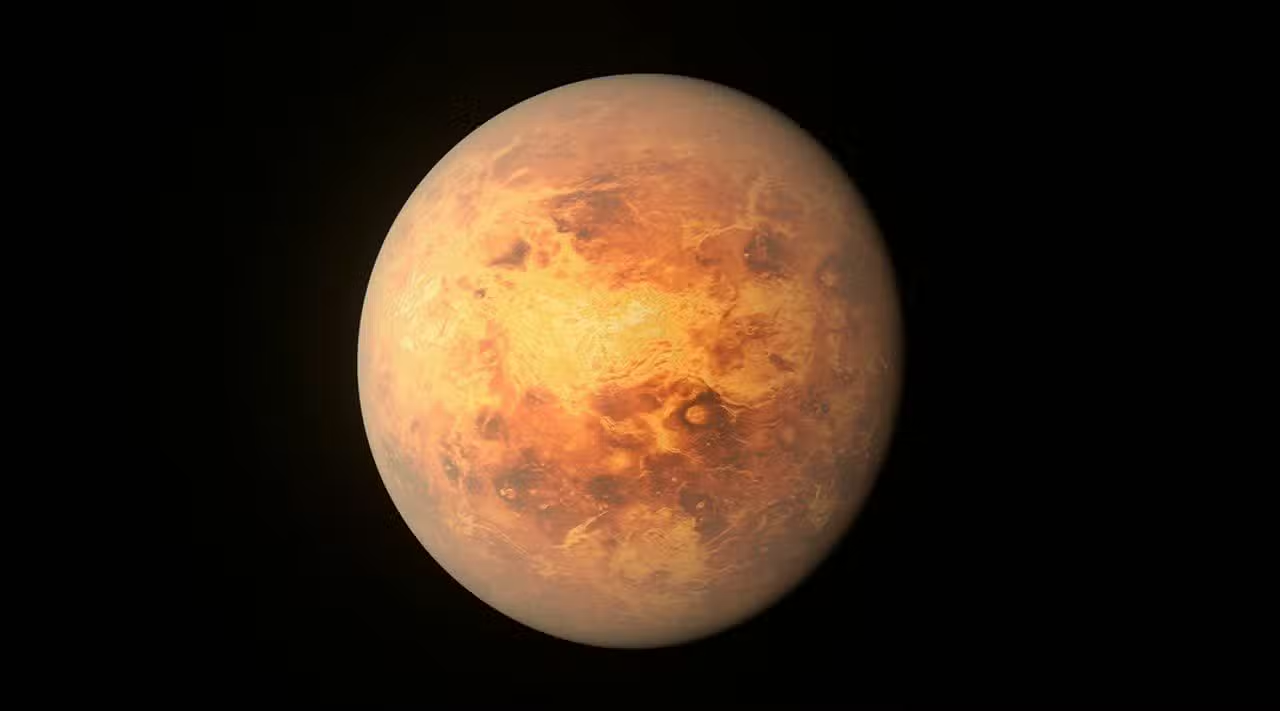
The crew of Artemis II was able to visually record flashes caused by meteoroid impacts while flying over the far side of Lua. Essa task represents significant challenge even for sophisticated equipment. The capacity of the trained human eye exceeds, in many cases, the sensitivity of automatic cameras in these extreme lighting and movement conditions.
Durante the long journey around Earth’s natural satellite, the astronauts remained vigilant and prepared to document visual phenomena. Lua offers a unique environment for observing this type of cosmic event. Flashes impacts occur when meteoroids hit the lunar surface at high speed, generating visible energy release for brief moments.
Onboard documentation Equipamento
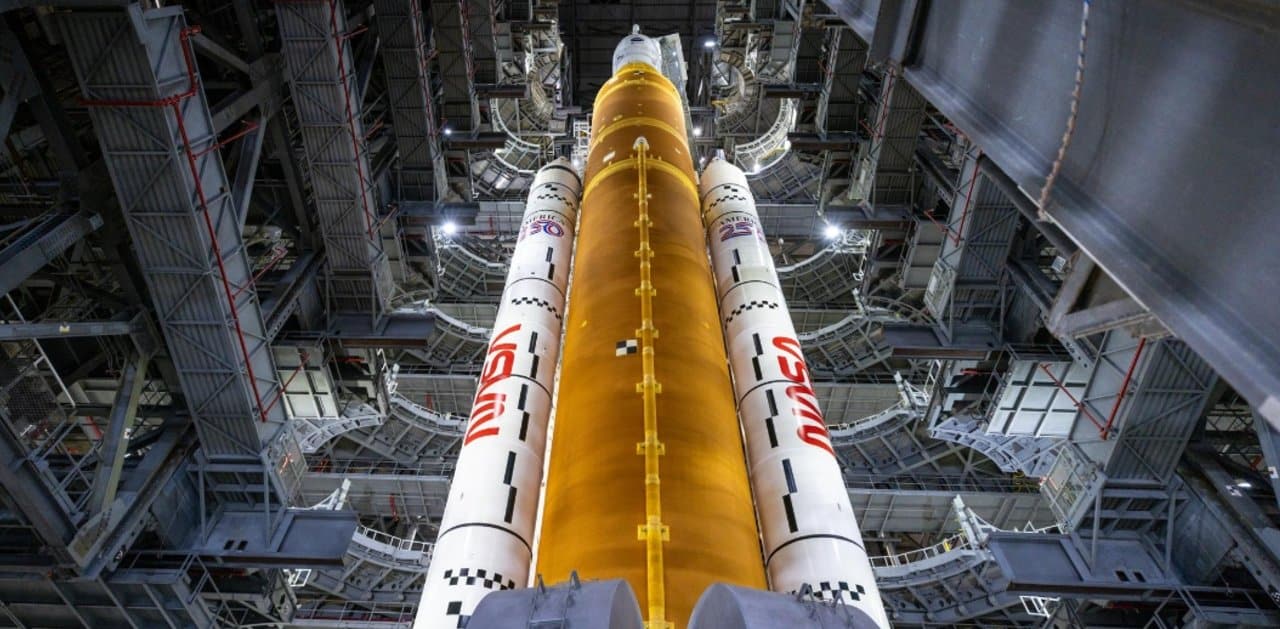
The Orion spacecraft carried 31 strategically placed cameras to capture the mission from all angles. External Câmeras documented the space around the ship while internal equipment recorded every moment in the cabin. Essa equipment redundancy and diversity serve distinct scientific and operational purposes.
Apesar of this extensive photographic coverage, cameras encounter specific technical limitations in certain situations:
- Flashes impact duration is very short, often less than a second
- Sensibilidade contrast in extreme bright environments reduces automatic capture capacity
- Velocidade required shutter requires prior calibration, which is not possible in random events
- Fixed camera Posicionamento makes it impossible to adjust in real time to track unexpected phenomena
- Processamento on-board imaging requires specific algorithms that may not detect all events
Importância from human observation
Trained Astronautas bring an irreplaceable competitive advantage in exploratory environments. The human brain processes visual information with flexibility and adaptability that automated systems have not yet fully replicated. Cada crew member receives specific preparation to recognize relevant scientific phenomena during space missions.
The decision to send teams to Lua is partly justified by this superior observational capacity. Máquinas execute defined protocols. Humanos identify the unexpected. The Artemis II demonstrates this principle in practical operation during its lunar journey. The astronauts’ reports of the flashes generated excitement among the international scientific community.
Arquivamento scientific data
The lunar science team attached to Artemis II is currently working on archiving all data collected during the mission. Esses records will be deposited in NASA’s Sistema of Dados Planetários. Esse centralized repository allows researchers around the world access to the mission’s findings.
Informações visuals captured by astronauts complement data from scientific instruments. High-resolution Fotos documents lunar topographic features. Observações direct impacts offer insights into the frequency and distribution of meteoroid activity in lunar orbit. Cientistas uses this data to refine protection models for future permanent structures in Lua.
The archiving process involves detailed cataloging, quality checking, and indexing to facilitate future research. Agências International space agencies often share these repositories as part of a commitment to open science. Universidades and research institutions can access Artemis II data for independent studies and hypothesis verification.