
Brazilian Association updates guidelines for obesity with new criteria in addition to BMI

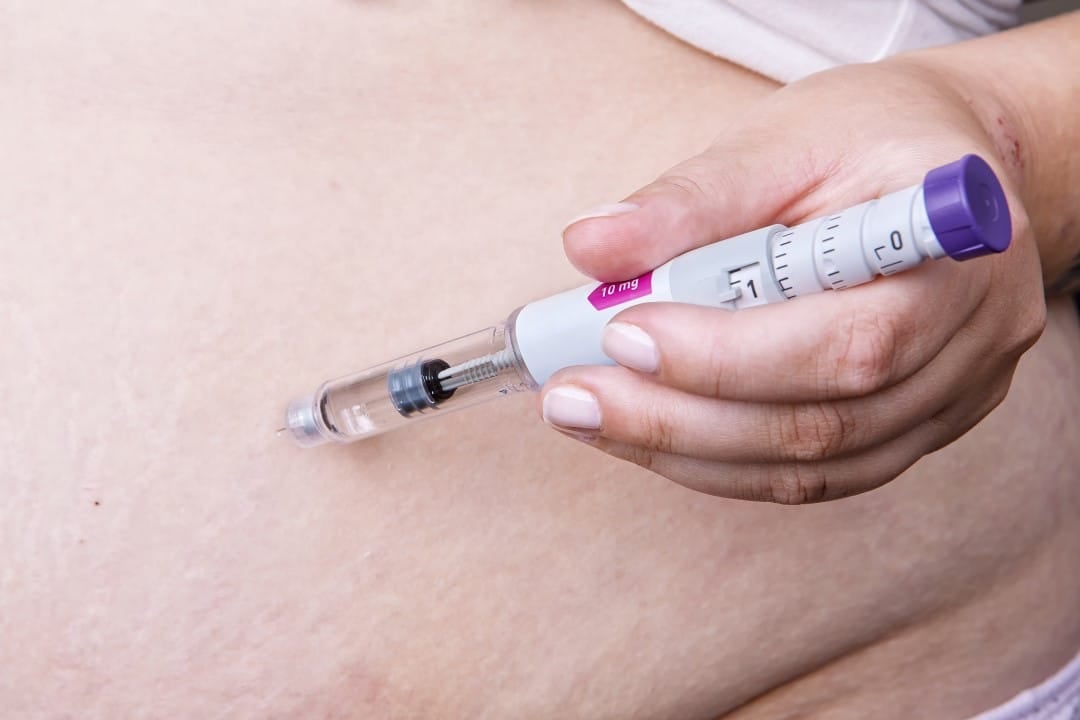
Associação Brasileira to Estudo of Obesidade and Síndrome Metabólica released an updated document consolidating 32 recent evidence-based guidelines for managing the condition. The text reinforces the chronic nature of obesity and expands the clinical evaluation criteria beyond the traditional body mass index. Especialistas from different areas contributed to the development of guidelines that aim to guide care across the country, with emphasis on medications such as semaglutide and tirzepatide.
Novos indication criteria expand clinical evaluation
The new guideline incorporates the measurement of waist circumference as an additional relevant parameter in patient assessment. Essa change allows a more complete analysis of each person’s profile before defining treatment, especially considering the risks associated with visceral fat. Endocrinologistas, general practitioners and nutritionists participated in the creation of the document that emphasizes an integrated approach.

Medication prescribing criteria include:
- Pacientes with BMI equal to or greater than 30.
- BMI equal to or greater than 27 associated with weight-related comorbidities.
- Avaliação of waist circumference as an indicator of metabolic risk.
- Meta reduction of at least 10% of body weight in most cases.
The document reinforces that the use of medicines should not occur in isolation. The combination with nutritional re-education and regular physical activity remains a fundamental pillar of ongoing care.
Medicamentos gains updated indications based on recent studies
The material updates the indications for semaglutide and tirzepatide considering the progress of clinical studies on efficacy and safety. The approach prioritizes the association between drugs and lifestyle modifications for more sustainable and long-lasting results. Profissionais should prioritize options with greater power and consolidated evidence in the scientific literature.
The guideline guides the therapeutic choice according to the individual history and health objectives of each patient. The guide details specific indications for groups with associated conditions such as type 2 diabetes, cardiovascular disease and fat accumulation in the liver. Nessas situations, medications demonstrate additional potential in reducing metabolic risks when prescribed correctly.
Recomendações for different patient profiles
Pacientes with prediabetes find specific recommendations in the text that aim to help prevent progression to established diabetes. The association between medications and lifestyle changes can significantly contribute to better metabolic results. Regular monitoring allows adjustments according to each individual’s response to the proposed treatment.
Especialistas consider the patient’s complete cardiometabolic context before initiating pharmacological therapies. Essa integrated vision helps prioritize interventions that bring gains beyond simple numerical weight reduction. Continuous monitoring helps you adjust the strategy over time as needed.
Alertas on inappropriate practices and responsible use
The document reinforces the contraindication of products without robust scientific evidence and warns of the risk of formulations manipulated without adequate quality control. Substâncias as hormones or diuretics in unauthorized combinations require extra caution on the part of prescribers. Off-label prescription receives specific guidance to avoid uses without basis in the leaflet.
The text lists active ingredients that do not yet have full regulatory approval for the treatment of obesity. Essa posture aims to protect patients’ health against unnecessary exposures and inappropriate practices. The guideline consolidates the role of drugs as an important part of the available therapeutic arsenal, but always within established safety parameters.
Abordagem Multidisciplinary and Metabolic Health Perspective
Treatment involves a team made up of different specialists according to the patient’s individual needs. Nutricionistas provides personalized dietary guidance while doctors monitor clinical and metabolic aspects. Essa integration seeks more effective results in maintaining reduced weight and improving overall quality of life.
The publication took place on April 1, 2026 and represents progress in the standardization of care throughout Brasil. The material serves as a reference for doctors who care for overweight and obese people in different regions. The expectation is that the guidelines will facilitate access to treatments based on solid scientific evidence and contribute to reducing the prevalence of obesity, which affects more than 30% of the Brazilian adult population.





