
A hantavirus outbreak hit the MV expedition ship Hondius during a cruise departing from Argentina in April. Três passengers died and eight cases were confirmed on board. The Dutch vessel remains isolated in Atlântico with approximately 150 people including passengers and crew of 23 different nationalities.
Health authorities monitor passengers who have already disembarked and returned to several countries. Segundo to Organização Mundial from Saúde, the risk to the general public remains low. The ship left Ushuaia on April 1 headed for remote regions of Antártica and islands of Atlântico Sul, including Geórgia of Sul, Tristão of Cunha, Santa Helena and Ascensão.
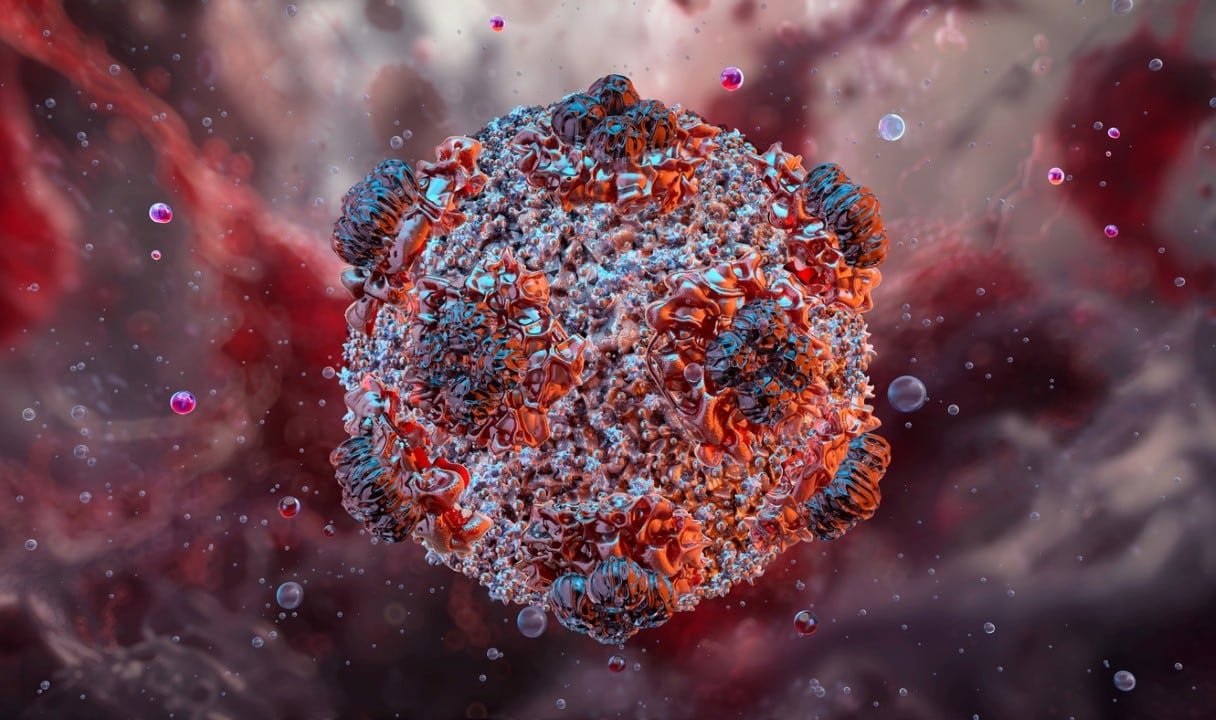
Primeiros cases emerged in early April on board
The first passenger to show symptoms was a 70-year-old Dutch man. Ele developed fever, headache and diarrhea on April 6th. The condition quickly progressed to respiratory failure and he died on board on April 11. Sua’s wife, aged 69, also Dutch, was evacuated from the ship and died on April 26 after falling ill at an airport in África of Sul.
A third passenger, a German citizen, died on the ship on May 2. Até To date, eight cases have been identified in total, with five confirmed by laboratory tests. Três people continue to experience mild symptoms on board and are receiving ongoing monitoring. A Swiss passenger who disembarked tested positive and is receiving treatment at Zurique.
Transmissão linked to Andes strain with interpersonal contagion
The virus belongs to the Andes strain, a common variant in América of Sul. Diferentemente of most hantaviruses, this strain can transmit between humans in close contact. Initial transmission likely occurred through contact with rodents, possibly during excursions on Ushuaia prior to boarding Argentina. Argentina frequently records hantavirus cases, influenced by climate change that increases rodent populations in rural areas.
In the ship’s environment, living conditions in restricted spaces contributed to new cases. Passageiros and crew share cabins and common areas, facilitating close contact between people. Amostras collected confirmed the virus in at least two patients, while others remain under laboratory analysis.
Protocolos strict rules maintained on board the vessel
- The ship visited remote areas such as mainland Antártica, Geórgia of Sul, Tristão of Cunha, Santa Helena and Ascensão during the expedition.
- Equipes doctors boarded the ship to assess two crew members with respiratory symptoms who needed urgent care.
- Equipes health track more than 80 contacts on return flights to countries such as Reino Unido, África of Sul, Estados Unidos, Suíça and Países Baixos.
- Três evacuated passengers proceed to Países Baixos in coordination with Organização Mundial of Saúde.
Operator Oceanwide Expeditions reported that all people on board follow strict hygiene and isolation measures. The MV Hondius left the coast of Cabo Verde and heads towards Ilhas Canárias, in Espanha. Spanish Autoridades prepares reception with specific health protocols for the safe disembarkation of asymptomatic passengers.
Investigação finds exact origin of infection
Especialistas investigate whether initial contact with the virus occurred on land, before boarding Ushuaia, or in remote areas visited by the vessel during the expedition. Nenhum previous case of hantavirus was recorded in the exact province of departure, according to local Argentine authorities. The Andes strain has already caused outbreaks with limited interpersonal transmission at crowded events on other occasions.
Global Risco rated low by WHO
Organização Mundial of Saúde reinforced that hantavirus does not spread like covid or influenza. Transmission requires close contact with rodent viral particles or, in the case of the Andes strain, with infected people in prolonged proximity. Não there is evidence of community spread outside the ship in none of the countries receiving returned passengers.
Países who received passengers activated tracking and monitoring protocols. Hospitais in Europa and África in Sul test and isolate suspects as needed. Viajantes for areas with rodents should avoid direct contact with wild animals and contaminated environments. Initial Sintomas include fever, muscle pain, headache, and gastrointestinal problems that can quickly progress to serious respiratory problems.
Não There is a vaccine or specific treatment for hantavirus. Care is supportive, with respiratory support when necessary. The mortality rate varies depending on the strain and access to adequate medical care. In the Andes strain, it can exceed 30% in some outbreaks. Authorities recommend that former passengers on the MV Hondius seek medical attention if they experience symptoms in the coming weeks, considering that the incubation period can reach eight weeks in rare cases.