Nintendo reveals next-generation hybrid console and confirms Zelda remake

Nintendo has officially announced its new next-generation hybrid console and confirmed the development of a remake of “The Legend of Zelda: Ocarina of Time”. The device succeeds the current generation and maintains the philosophy of continuous transition between portable mode and connection to a television. The Japanese company revealed that the investment in the new device occurs simultaneously with the production of the remake of the classic 1998 title, consolidating its launch strategy for the coming months.
Especificações new hardware techniques
The new console features an 8-inch panel in its initial version, representing a significant increase compared to previous models. The engineers prioritized the panel’s durability and energy efficiency, maintaining a final price accessible to the global consumer market. The display offers higher resolution and more vibrant colors than the previous generation, while the battery has been redesigned to support extended gaming sessions without the need for frequent recharging.
『제르다의 시대의 오카리나』의 메자리메이크특,
(소스:https://t.co/Isv8LRAJxQ) pic.twitter.com/NQfhSRF9CE
—चर्चाफिल्म (@चर्चाफिल्म)2026년 3월 27일
The internal architecture uses a customized processor based on ARM technology, allowing high performance in games. The graphics system integrates Nvidia’s DLSS technology, which uses artificial intelligence to increase image resolution when the console is connected to the television. Internal cooling has received significant improvements, with silent fans and an optimized heatsink to prevent overheating during long gameplay sessions.
Remake of Ocarina of Time gets modern visual treatment
The remake of “The Legend of Zelda: Ocarina of Time” represents the main highlight of this generation. The game abandons the original polygonal architecture and adopts a state-of-the-art graphics engine, recreating Reino from Hyrule with stunning visual details. Florestas, mountains and temples receive a complete redesign, maintaining the visual identity of the classic title. Objects in the scene now respond to physics realistically, accurately reflecting the player’s actions.



Gameplay has been adjusted to current video game industry standards. The automatic camera locking system has received a substantial overhaul, while the controls have been modernized for greater responsiveness. The item inventory allows for quick switching during intense combat, and enemy attack patterns exhibit dynamic variations. Map exploration has become more fluid and engaging, with alternative paths to complete main objectives.
- The game maintains 60 frames per second in any mode of use, ensuring constant visual fluidity.
- Day and night cycles use dynamic lighting and a real-time system to create an immersive atmosphere.
- The high-speed interactive movement system allows for fast navigation through expanded map scenarios.
The soundtrack received full orchestration, replacing the original digital composition with arrangements performed by a professional orchestra. The sound design reflects the behavior of the characters and environments, deepening the narrative immersion. The user interface maintains visual simplicity, avoiding elements that detract from the gaming experience. Developers have established in-house studios dedicated to technical oversight of the project, ensuring consistent quality across all aspects of production.
Mass production Estratégia to avoid shortages
Nintendo implemented robust supply chain to ensure adequate availability at launch. Acordos with semiconductor and memory component suppliers were established months before the official announcement. Esta approach aims to protect against supply crises that have affected previous generations by learning from past experiences of shortages in the technology market.
The company established distribution centers in strategic regions of Ásia, Europa and América of Norte, ensuring simultaneous arrival of products to the main consumer markets. Pequenas retail stores received preliminary guidance on delivery schedules, while the company reinforces international logistics partnerships. The manufacturing process respected established deadlines, exceeding initial production forecasts. Strict Inspeções in certified factories ensures compliance with international quality standards, while packaging materials follow 2026 environmental regulations.
Veja Tambem em Latest News (EN)

Italian Supreme Court confirms legality of hotel that offered only mineral water to customer

National Geographic Traveler Announces Travel Photography Contest Winners

Ferrari presents Luce, the first electric car, and receives harsh criticism from fans and the market

Yuki Yamada posts photo with beard and grimace on Instagram and surprises fans

Costco sees record demand at U.S. gas stations with lower prices

Passenger tries to enter cockpit and forces diversion of United Airlines flight to Madison

Astronomer explains white light recorded after meteor falls near volcano in Philippines

Comedian Sakamoto-chan reveals type 2 diabetes remission after lifestyle changes

Avi Loeb says discovery of alien intelligence can unite humanity amid global crises

Police investigate death of Hilde Ann Lynn Helphenstein in room at Rosewood São Paulo
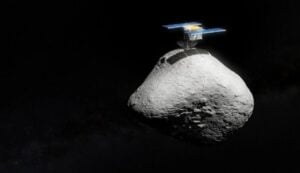
Avi Loeb suggests that dark comet 1998 KY26 could be Soviet probe Phobos 1