
Rare phenomenon brings Blue Moon and micromoon at the end of May 2026


A second full moon arrives in the sky between May 30th and 31st, 2026. The event configures the Lua Azul of the month and also the most distant micromoon of the year. Observadores and Brasil can follow the phenomenon with the naked eye on both nights.
The first full moon of May occurred on the 1st. Ela received the traditional name of Lua from Flores. The lunar cycle of about 29.5 days allowed the 31-day month to host yet another full full phase. Lua Azul’s lighting peak occurs on May 31, at 5:45 am Brasília time.
Full Lua appears smaller because of apogee
Lua Azul of May 2026 reaches the furthest point in its orbit in relation to Terra. Esse positioning, called apogee, makes the satellite appear up to 14% smaller than on a supermoon. The visual difference is usually subtle for those observing without equipment.
Registros photographic and technical comparisons better highlight size variation. The micromoon on May 31 surpasses the first full moon of the month in distance. Astrônomos points to it as the furthest flood of the entire year 2026.
- Lua should appear 7% smaller than a common flood
- Brightness is also slightly reduced
- Observation also allows you to see details of the surface
- Condições with clear skies favors visibility
The phenomenon gains extra prominence due to its apparent proximity to Antares. The brightest star in the constellation Escorpião will be close in the sky during the height of the full moon.
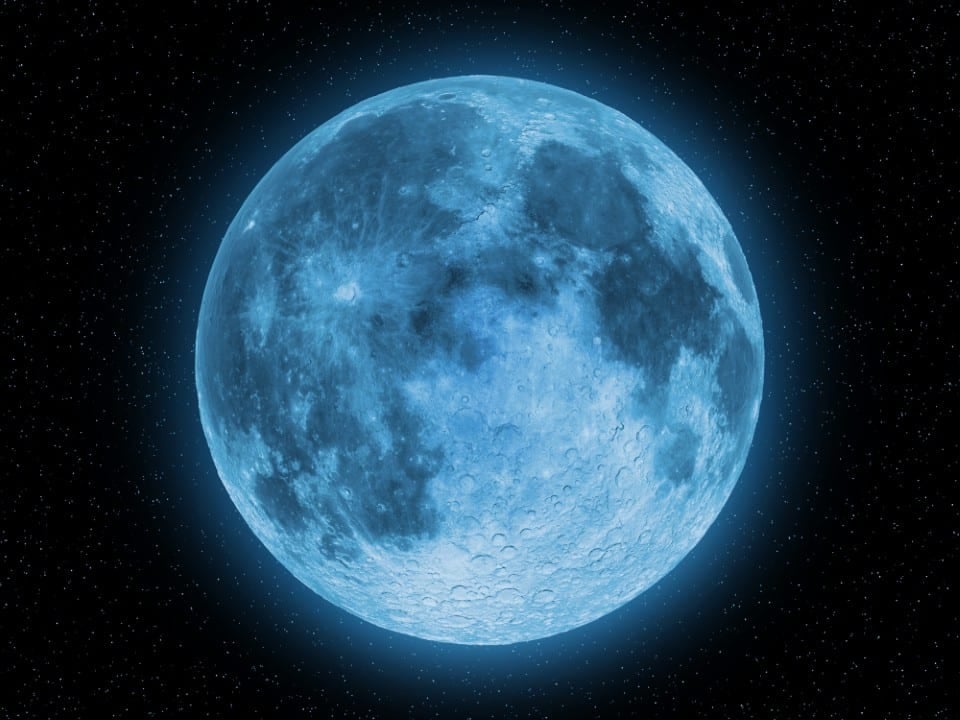
Definição current term Lua Azul gained traction in 1946
The popular meaning of Lua Azul arose from a column published in the magazine Sky and Telescope. Author James Hugh Pruett associated the name with the second full moon within the same calendar month. Antes Furthermore, the term referred to the third full moon in a season with four full moons.
Essa seasonal variation still exists. The next Lua Azul of this type is scheduled for May 2027. The Metonic cycle, which relates 235 lunar months to 19 solar years, explains the periodic occurrence of extra full moons.
Maio from 2026 brings together both types of rarity. The extra full moon on the calendar coincides with the farthest position in the orbit. The result is an event that combines statistical frequency with unique observational characteristics.
Noite from 30 to 31 offers better window for Brasil
The full moon reaches its technical peak during the early hours of May 31st. Mesmo thus appears practically full the night before. Quem is in regions with little light pollution and can follow the show from dusk on the 30th.
No Hemisfério Sul, the position of Lua favors visibility. Brazilian Cidades in different time zones record the phenomenon on the same nights. Especialistas recommend locations away from urban lights for the best experience.
The sky should show Lua close to Antares. The combination creates an interesting frame for photos and simple observation. Binóculos or small telescopes help explore the lunar surface in more detail.
2026 lunar Calendário includes 13 full moons
The year 2026 has 13 full moons instead of the usual 12. Essa distribution generates at least one Lua Azul. The May event stands out due to its dual calendar conditions and orbital distance.
Lua Nova took place on May 16th. Quarto Crescente came on May 23rd. The sequence led to the second flood at the end of the month. Astrônomos accurately tracks these cycles to predict similar phenomena.
Outros celestial events marked May 2026. The Eta Aquarídeos meteor shower occurred at the beginning of the month. Lua Azul closes the period with a flourish for those who like astronomy.
Observação requires no special equipment
Qualquer person can see Lua Azul without telescope. The satellite emerges shortly after sunset and remains visible throughout the night. The full phase lasts for about three days, with an almost identical appearance.
Especialistas warn that the color does not change. The Lua Azul maintains its usual silver tone. The name comes solely from the rarity of the event, not from any atmospheric change.
Quem wants to record the moment must choose a frame that includes the horizon or the star Antares. Astronomy Aplicativos helps you locate the stars accurately.
The phenomenon reinforces interest in accessible celestial events. Milhares of observers should turn their eyes to the sky in late May. The combination of Lua Azul and micromoon offers a natural spectacle that rarely occurs.



