
Argentine Ministry of Health confirms almost double the number of hantavirus infections

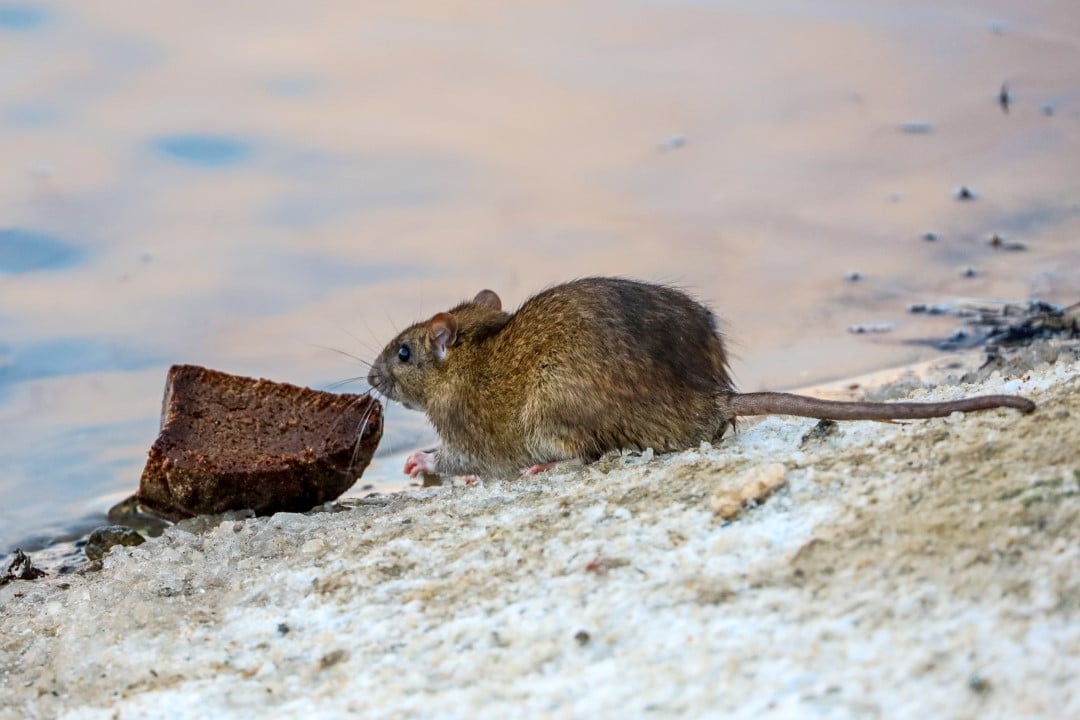
Argentina is facing the largest hantavirus outbreak in years, with 32 recorded deaths and 101 confirmed cases in the season that began in June 2025. The numbers have nearly doubled compared to the same period last year, when just 57 infections were documented. The surge comes as authorities track down a Dutch couple who traveled extensively across the country and died during an outbreak on the cruise ship MV Hondius.
Surto on cruise ship generates international alert
The vessel departed Ushuaia in southern Argentina on April 1 and is sailing towards Ilhas Canárias on Espanha, with arrival scheduled for the port of Granadilla on Tenerife on Sunday. The tourist couple visited several regions of the country, repeatedly crossing the border with Chile and entering Uruguai before boarding the vessel. Authorities are investigating whether they contracted the virus in Misiones or Neuquén, regions historically associated with the disease.
The outbreak on the ship was linked to the Andes strain of hantavirus, a rare variant capable of spreading between humans through close contact. Nenhum case had been recorded in Ushuaia in recent decades, according to Argentine Saúde’s Ministério, making the episode on the cruise particularly worrying for experts.

Mudanças Climate and environmental degradation drive transmission
Cientistas and Argentine authorities point to extreme weather phenomena as the main factor behind the increase in cases. Secas Intense and heavy rainfall episodes in recent years have altered ecosystems, allowing infected rodents to thrive in new areas. High temperatures favor the reproduction of the long-tailed rat, the main vector of the virus in the region.
The destruction of habitats caused by human activity intensifies the problem. Pequenas urbanizations established in rural areas, deforestation and forest fires force wild animals to move to new locations, increasing contact with human populations. Environmental degradation expands the presence of the virus to regions that are not historically endemic.
Eduardo López, an infectious disease specialist and consultant to the Argentine government during the Covid-19 pandemic, explained that rodents adapt better to climate change, facilitating greater spread. Roberto Debbag, vice president of Sociedade Latino-Americana of Vacinação, highlighted that forest fires displace both humans and animals, significantly increasing risks.
Geographic Distribuição expands across the country
Quatro historically high-risk regions form the contagion axis: Noroeste (Salta, Jujuy, Tucumán), Nordeste (Misiones, Formosa, Chaco), Centro (Buenos Aires, Santa Fé, Entre Ríos) and Sul (Neuquén, Río Negro, Chubut). Nesta season, however, most cases emerged in the central region, breaking previous patterns. Buenos Aires province leads with 42 confirmed cases.
Durante For many years, hantavirus has been linked exclusively to Patagônia following a lethal outbreak in 2018 that killed 11 people. The current geographic displacement of cases highlights the expansion of the disease to previously safe areas, complicating control and prevention strategies.
Saúde’s Ministério reported that technical teams will travel to Ushuaia on Fogo’s Terra to capture and analyze rodents in areas linked to the Dutch couple’s route. Juan Petrina, director of epidemiology at Terra of Fogo, stated that the chronology does not correspond to the hypothesis of local contamination, citing shipping records that indicate stay at the location only between March 29th and April 1st. Ele dismissed the suggestion of visiting a landfill before boarding as a “rumor.”
Comparações with Covid-19 raise concern
The outbreak on the ship has sparked fears of another global pandemic as passengers travel from multiple countries. Organização Mundial of Saúde intervened to reassure populations, with the general director Tedros Adhanom Ghebreyesus publishing a letter addressed to the inhabitants of Tenerife. The official assured that “this is not another COVID-19,” emphasizing critical differences in transmission potential.
The Dra. Charlotte Hammer, teacher of Segurança Sanitária of Universidade of Cambridge, explained that the Andes strain is only contracted through very close contact with infected rodents. Person-to-person transmission requires prolonged contact, unlike the new coronavirus. Embora cruise ships facilitate close exposure in confined spaces, the virus does not spread simply through proximity, drastically reducing the pandemic risk.
Ghebreyesus expressed gratitude to Spanish Prime Minister Pedro Sánchez for his willingness to receive the ship, calling it an “act of solidarity and moral duty.” Garantiu that no symptomatic passengers were on board at the time of reporting, keeping the risk of transmission at low levels.
Argentina’s mortality rate reached critical levels this year, with an increase of 10 percentage points compared to the previous year. The country continues to implement epidemiological surveillance measures in the affected regions while monitoring the evolution of the outbreak on the cruise ship.





