Atlas V rocket puts 29 Amazon satellites into orbit and equals payload record
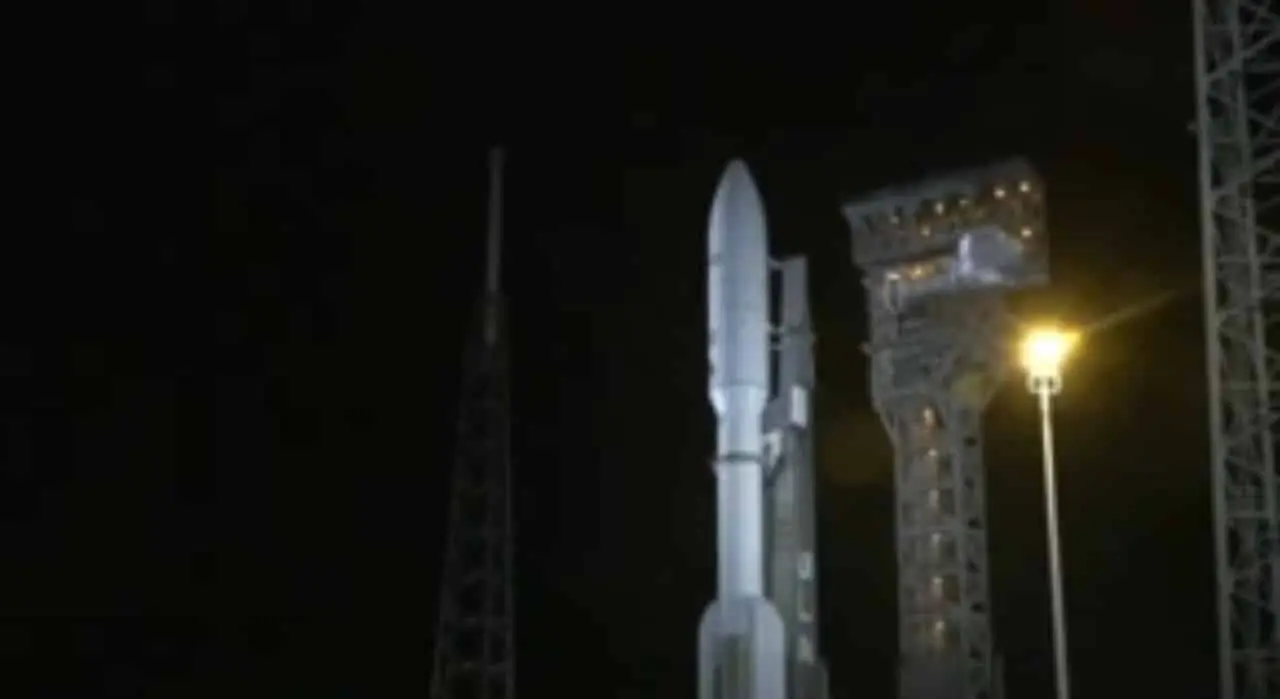
An Atlas V rocket from United Launch Alliance lifted off from Cabo Canaveral into Flórida on the evening of Monday, April 27, carrying 29 Amazon internet satellites to low Earth orbit. The launch marked a remarkable feat: equaling the record for the heaviest payload ever carried by the Atlas V, totaling 18 tonnes. The operation, carried out at 8:53 pm Leste Daylight Time (EDT), successfully completed all ten satellite deployments, which began 21 minutes after liftoff and ended 16 minutes later.
Sexta Amazon mission expands Leo constellation
The mission, designated Amazon Leo 6, represents a significant step in the construction of the Amazon Leo broadband megaconstellation. The project, previously known as Projeto Kuiper, will consist of more than 3,200 satellites when completed, positioning it as a direct competitor to SpaceX’s Starlink constellation. Até At the moment, only ten of the more than 80 launches required have been executed to complete the global connectivity network.
Atlas V performed six such missions, while SpaceX’s Falcon 9 completed three launches and Arianespace’s Ariane 6 rocket performed one. Arianespace has a new Amazon Leo mission scheduled for Wednesday, April 29, from Guiana Francesa, continuing the accelerated pace of deployment.
Evolução of Atlas V load records
The first four Atlas V missions in the Amazon Leo constellation sent 27 satellites into space. The Amazon Leo 5 mission, launched on April 4, brought that number to 29 satellites and set the previous record for the heaviest payload for the rocket, also at 18 tons. Monday’s launch equaled that mark, demonstrating the vehicle’s operational consistency in transporting extremely heavy loads with precision.
Full coverage: Latest News (EN)
The configuration used in recent missions represents one of the most demanding of Atlas V in operation, testing the technical limits of the launch platform. The repeated success of this maximum payload reinforces the reliability of the rocket for future Amazon operations.
See Also

Johnny Depp could return in Pirates of the Caribbean 6 with a different role, says producer

Mascot dispute: Sony plans creation to rival Hello Kitty’s success

New CFMoto 1000MT-X 2026 challenges the maxienduro segment with a price below 10 thousand euros
Especificações Mission Techniques
- Carga total payload: 18 tons of satellites
- Número of satellites launched: 29 units
- Target Órbita: Terrestre low (LEO)
- Duração total deployment: 16 minutes
- Total from Amazon Leo missions via Atlas V: 6 operations completed
Estratégia diversified releases
Amazon takes a strategic approach by engaging multiple rocket providers — United Launch Alliance, SpaceX, and Arianespace — to build its constellation. Essa diversification offers operational redundancy and flexibility in the release schedule, reducing dependence on a single supplier and significantly accelerating global network deployment.
Follow: all about aerospace technology
Competition for supremacy in satellite connectivity has intensified in recent years. Enquanto to Starlink from SpaceX already operates thousands of satellites, Amazon recognizes the challenge and invests in strategic partnerships with different aerospace companies to ensure that no technological or logistical bottlenecks compromise the progress of the megaproject.
Network Completion Cronograma
Analistas from the space industry estimate that the completion of the Amazon Leo constellation will still take several years, considering the current pace of launches. The planned cadence includes continuous operations in multiple cosmodromes and with different platforms, ensuring the constant progression of the project. The success of the sixth Amazon Leo mission reaffirms the technical feasibility and strategic importance of Atlas V for architecting the next generation of global satellite connectivity.