

Sony is committed to developing a new mascot with global appeal, seeking to establish a figure that can directly compete with Hello Kitty’s immense market presence. This strategic move by the Japanese giant signals a reassessment of the importance of iconic characters as brand assets, transcending the universe of video games and aiming for a broader cultural reach.
The billion-dollar value behind iconic mascots
Successful mascots become valuable assets, going far beyond their origins in games or other media. They become platforms for product licensing, brand ambassadors and central figures in global marketing campaigns, generating diverse and stable revenue streams that are independent of game or console release cycles.
A character’s ability to maintain relevance over decades and adapt to different forms of media — from cartoons to fashion to children’s entertainment — is what defines its longevity. These icons create lasting cultural footprints and an emotional bond with the public, becoming inexhaustible sources of commercial value.
Hello Kitty’s global dominance and its influence on the market
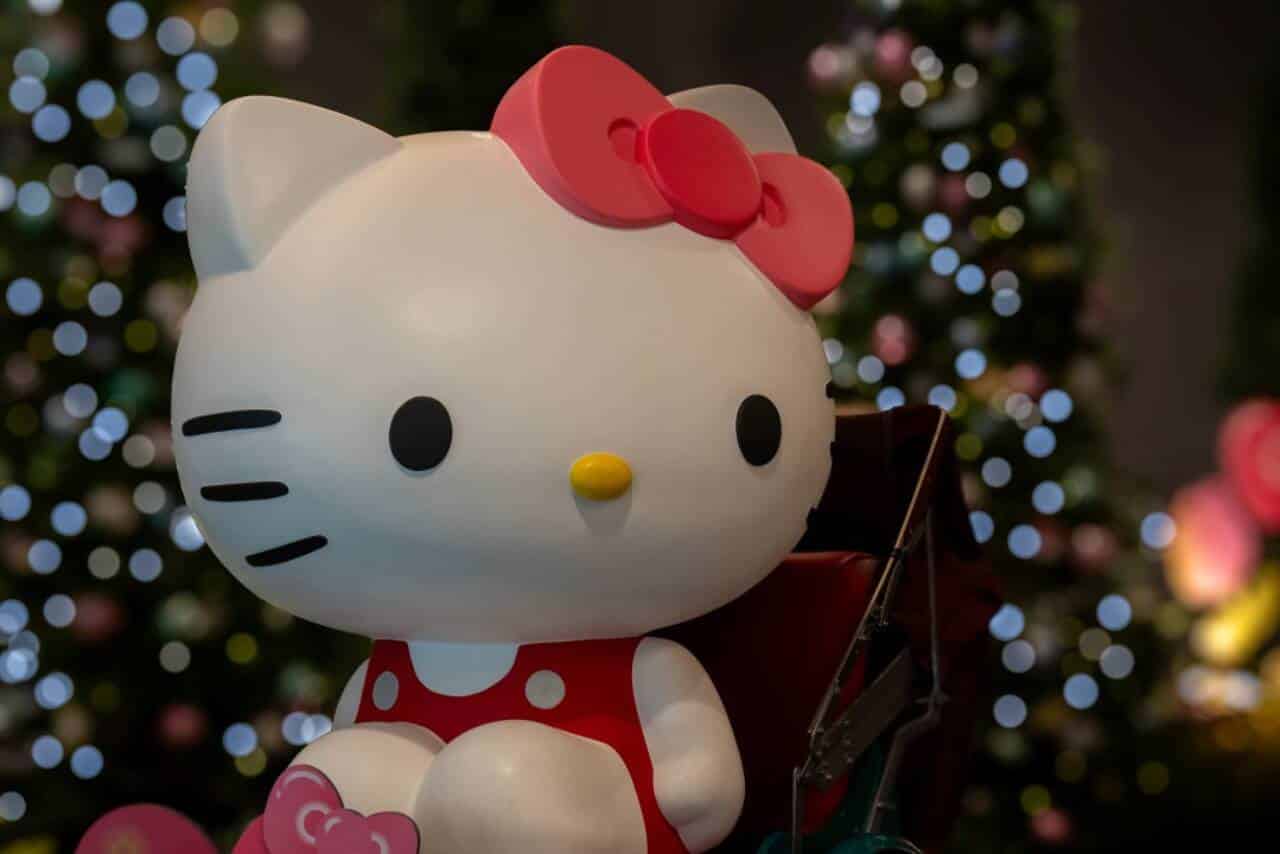
Hello Kitty represents the pinnacle of this successful model. Since her creation in 1974 by Sanrio, the character has built an empire worth billions of dollars, not by being the protagonist of a single story, but by her simplicity of design and unparalleled adaptability across a wide range of products. His image is found on everything from toys and apparel to appliances and collectibles, reaching a diverse global audience.
Sanrio’s business model, centered on the extensive licensing of Hello Kitty’s likeness, demonstrates the vast potential that intellectual properties not directly linked to complex narratives or game franchises can have. She proves that charismatic design and a smart brand strategy can create a gigantic cultural and financial phenomenon.
Sony’s journey in search of its own icon
Sony has a rich history of characters that have become synonymous with the PlayStation brand, but none have achieved the kind of cultural ubiquity and licensing power of Hello Kitty. Crash Bandicoot, one of the first unofficial “faces” of the console, had a meteoric rise, but the character did not remain a wholly Sony-controlled property in the long term.
Other notable figures, such as Spyro the Dragon, Ratchet & Clank and Jak & Daxter, although loved by legions of fans and fundamental pieces to the success of their respective game franchises, remained more linked to these specific universes. They have not transcended the gamer niche to establish themselves as broad cultural symbols, accessible and recognized by people of all ages and interests.
LittleBigPlanet’s Sackboy, with his customizable design and DIY appeal, captivated a dedicated fan base and represented an attempt to create a mascot with a more malleable identity. However, its reach, while significant within the gaming community, has not matched the ubiquity of a global icon like Hello Kitty.
More recently, Astro Bot emerged as one of Sony’s most praised creations, winning over both critics and the public with its innovation and charisma. The character, who played a key role in demonstrating the capabilities of PlayStation VR and the DualSense controller, has become the company’s most promising attempt at forging a mascot with growing recognition and broad possibilities.
The crucial difference in Sony’s new quest is the ambition to create a character that, from its inception, is intended for massive licensing and a comprehensive cultural presence, not just as the star of a game. The company aims for an asset that transcends the PlayStation ecosystem and that can be adapted to numerous platforms and products, in a strategy more in line with what Sanrio does with Hello Kitty.
Challenges in Creating a Universally Attractive Mascot
Creating a mascot with global and timeless appeal is an immensely complex task. The challenge lies in developing a figure that is distinctive enough to be memorable, but also culturally versatile, capable of generating empathy and recognition in different markets, without being tied to specificities that limit its acceptance.
The current market is saturated with characters, and consumer trends change quickly. Standing out requires not just originality in design, but a deep understanding of global cultural dynamics and the ability to keep the character relevant through continuous innovation and adaptation, ensuring it resonates with new generations.
The impact of Sony’s new mascot strategy
A successful mascot could mean unprecedented expansion for the Sony brand. By diversifying its intellectual property portfolio, the company will be able to explore new market segments such as toys, children’s apparel and family entertainment, reducing dependence on its games and hardware division.
This initiative reflects a broader corporate strategy to strengthen and diversify Sony’s revenue sources, seeking to mitigate risks associated with product cycles and intense competition in the technology and entertainment sector. Creating a globally beloved mascot can provide long-term financial stability, complementing the successes of your gaming division.
By focusing on a mascot to rival Hello Kitty, Sony isn’t just investing in a new character; it is positioning itself to compete directly in the lucrative franchise licensing market. This strategic bet demonstrates the company’s understanding of the lasting power of icons that transcend media, generating a cultural and commercial legacy capable of withstanding the test of time.





