
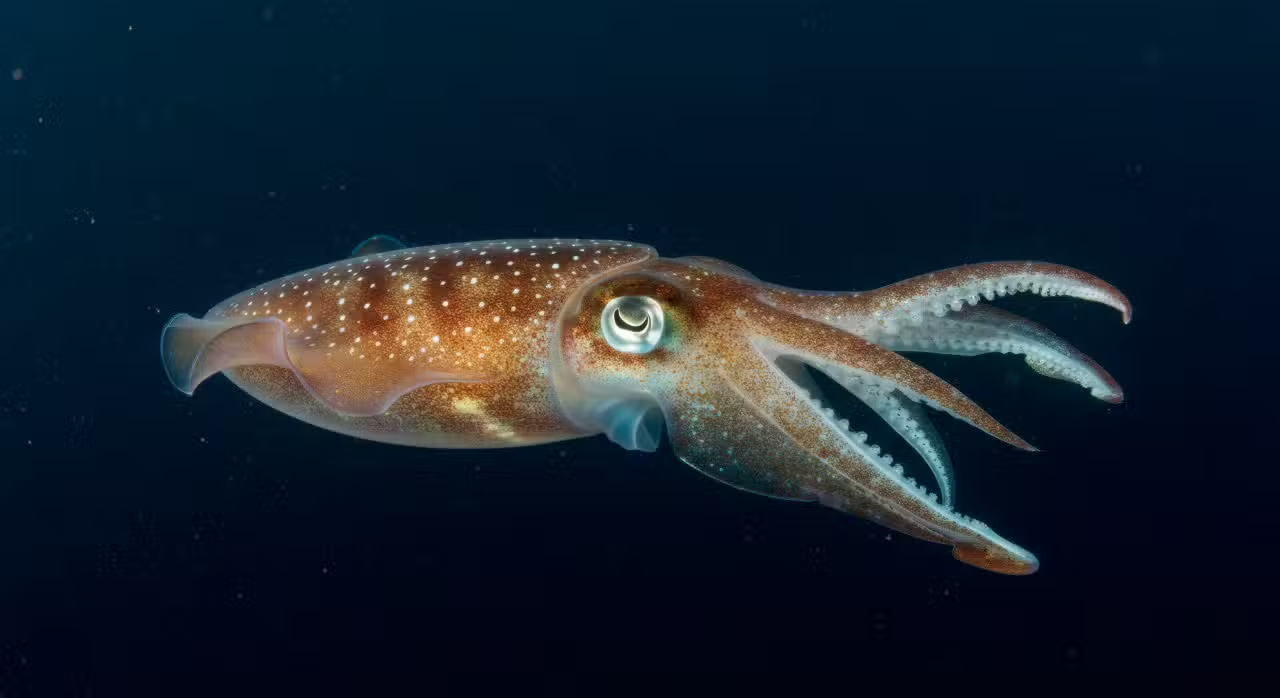
A team of scientists identified traces of giant squid (*Architeuthis dux*) DNA in the underwater canyons of Austrália Ocidental, at depths greater than 4 kilometers. The discovery marks the first detection of the species in the region using environmental DNA (eDNA) technology and represents the northernmost confirmed record of the creature in eastern Oceano Índico. Nenhum sighting of the giant squid had been recorded on that coast more than 25 years ago.
The research was carried out aboard the Schmidt Ocean Institute research vessel R/V Falkor, which explored the canyons of Cape Range and Cloates, located approximately 1,200 kilometers north of Perth. Usando water samples collected at extreme depths, scientists were able to catalog 226 species belonging to 11 distinct animal groups. The environmental DNA methodology allowed identification without visual or physical capture of organisms, revolutionizing the study of abyssal fauna.
Metodologia revolutionizes deep ocean exploration
Environmental DNA works by collecting tiny genetic traces left by marine organisms in the water. The team collected more than 1,000 samples at different points in the underwater canyons. Esses microscopic fragments, when analyzed through metabarcoding, reveal which species inhabit a certain region, even if they have never been visually recorded. The method has proven particularly effective in environments where extreme pressure and darkness perpetuate the difficulty of conventional exploration.
The Dr. Georgia Nester, who led the research, noted that many of the identified species did not fit neatly into known records from the region. Essa finding suggests that there is a vast amount of biodiversity in deep waters that is still largely unexplored. The data collected clearly indicates that the deep ocean is much more complex than previous estimates.

Giant Lula among hundreds of unknown species
The giant squid remains were detected in six separate samples collected at Cordilheira of Cabo and in the canyons of Cloates. The discovery is particularly significant because only two other *Architeuthis dux* records exist in Austrália Ocidental, as reported by Dra. Lisa Kirkendale, Museu researcher at Austrália Ocidental. The creature, known for its enormous size and extremely elusive nature, lives at depths where few humans have ventured. The results suggest that these deep-sea predators may be more common in the region than previously assumed.
Além of the giant squid, the team identified dozens of other species, many never before recorded in the waters of Austrália Ocidental. Entre they include the faceless cusk eel (*Typhlonus nasus*), the sharp-toothed whale (*Rhadinesthes decimus*), the pygmy whale (*Kogia breviceps*) and the Cuvier’s beaked whale (*Ziphius cavirostris*). Algumas DNA samples did not match any known species, suggesting the team may have encountered creatures previously unknown to science.
Descobertas main study
The research revealed structured data about the fauna of submarine canyons:
- 226 species identified in 11 distinct animal groups
- Primeira detection of giant squid in the region using eDNA
- Registro confirmed further north of *Architeuthis dux* in east of Oceano Índico
- Mais of 1,000 water samples collected at depths greater than 4 kilometers
- Múltiplas species never before documented in western Australian waters
- Amostras of DNA with no known species match
The study was published in the journal *Environmental DNA* and represents a significant milestone in understanding abyssal biodiversity. The canyons of Cape Range and Cloates, among the most remote and deepest parts of Oceano Índico, presented themselves as environments of great scientific interest, despite the logistical difficulties for their exploration.
Implicações for marine conservation
The Dra. Zoe Richards of Universidade Curtin emphasized the importance of the discoveries for environmental protection. The detection of megafauna at depth highlights the urgent need to expand scientific knowledge about remote marine regions. The fact that researchers have identified such a large number of unknown species, including legendary creatures like the giant squid, demonstrates how little is known about life in the deep oceans.
Environmental DNA technology represents a fundamental advance for future oceanographic expeditions. Sem need for manned submersibles or complex capture equipment, the methodology allows for more accessible and safe exploration of extreme environments. Continuing this type of research could reveal other new species and deepen understanding of abyssal ecosystems still largely unknown to modern science.