Hubble reveals dense structure of cluster NGC 6540 with thousands of stars
Telescópio Espacial Hubble captured a high-resolution image of the globular cluster NGC 6540, located in the constellation Sagitário approximately 18 thousand light-years from Terra. The photograph, released by Agência Espacial Europeia in August 2022, reveals an extraordinary concentration of ancient stars compressed into a relatively small space. Cada visible bright spot represents an individual star, whose light overlaps to create a visual effect of extreme luminosity in the central core. The image was obtained using two sophisticated instruments on board the telescope: the ACS camera (Advanced Camera for Surveys) and the WFC3 (Wide Field Camera 3). Observações of this type contribute significantly to understanding the formation and evolution of galaxies over cosmic time.
What characterizes a globular cluster
A globular cluster constitutes a dense grouping of stars held together by gravity, forming a compact spherical structure. Essas formations can contain tens of thousands to millions of celestial bodies compressed into a relatively small space, creating a unique cosmic environment. Extraordinary density characterizes these systems, where the proximity between stars generates complex gravitational interactions. Esses clusters predominantly house ancient stars, dating from the early stages of the universe’s formation, offering windows to understand remote epochs.
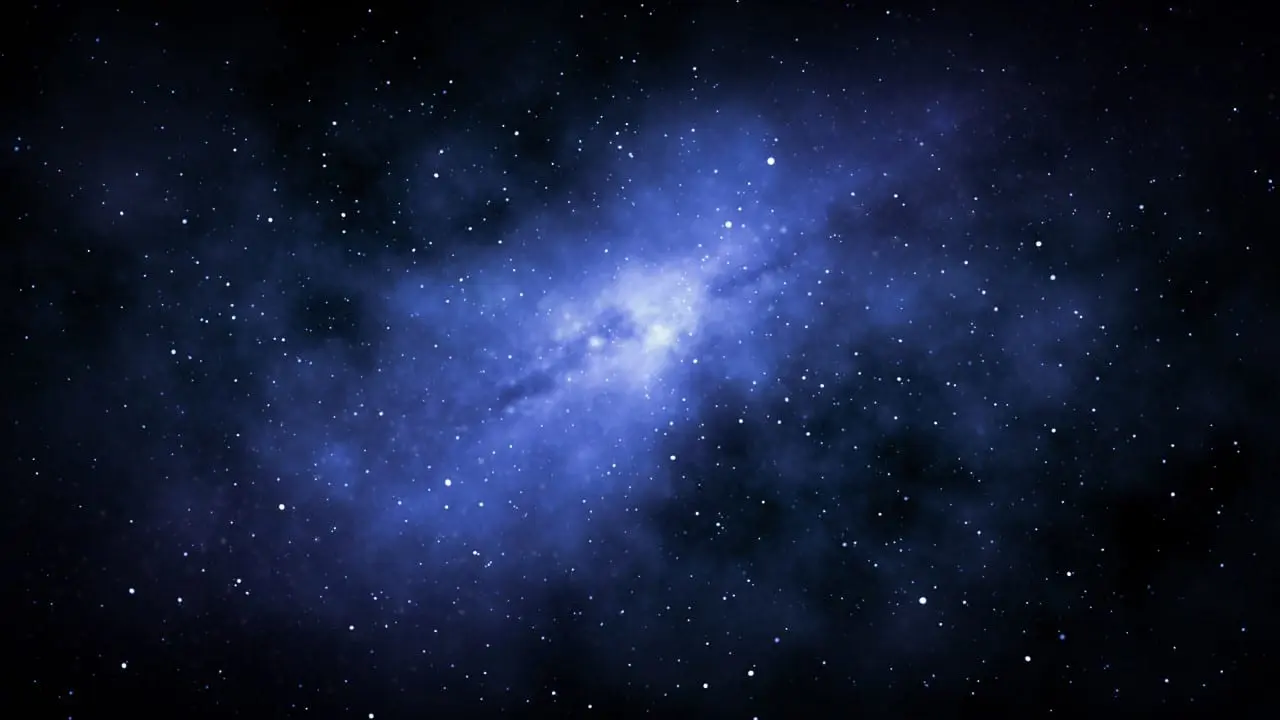
Via Láctea contains hundreds of globular clusters distributed throughout its galactic structure. Cientistas use these formations as valuable tools to investigate the history of galaxies and map their evolution over billions of years. Pesquisadores focuses efforts on measuring the age, shape and distribution of these clusters, particularly those close to the galactic center, where crucial information about the galaxy’s origin can be found.
NGC 6540 special Características
- Densidade extremely high number of stars in the central core, making it a priority target for observation
- Strategic Posicionamento near the galactic center to study the history of Via Láctea
- Composição majority of ancient stars, revealing information about primitive epochs
- Potencial to reveal clues about early galaxy formation and evolution
- Acessibilidade to Hubble observations despite significant optical obstacles
Desafios on observation of the galactic center
Observar celestial objects close to the center of Via Láctea present significant technical difficulties that affect image quality. The galactic center is densely covered by interstellar gas and dust, which act as optical barriers preventing direct visualization. Essa coverage blocks light originating from objects located beyond the cloud cover, impairing conventional observations. Particulate matter scatters starlight, changing the wavelength and modifying the apparent color of the observed stars. Telescópios terrestrials also face atmospheric interference, making observations at visible wavelengths difficult.
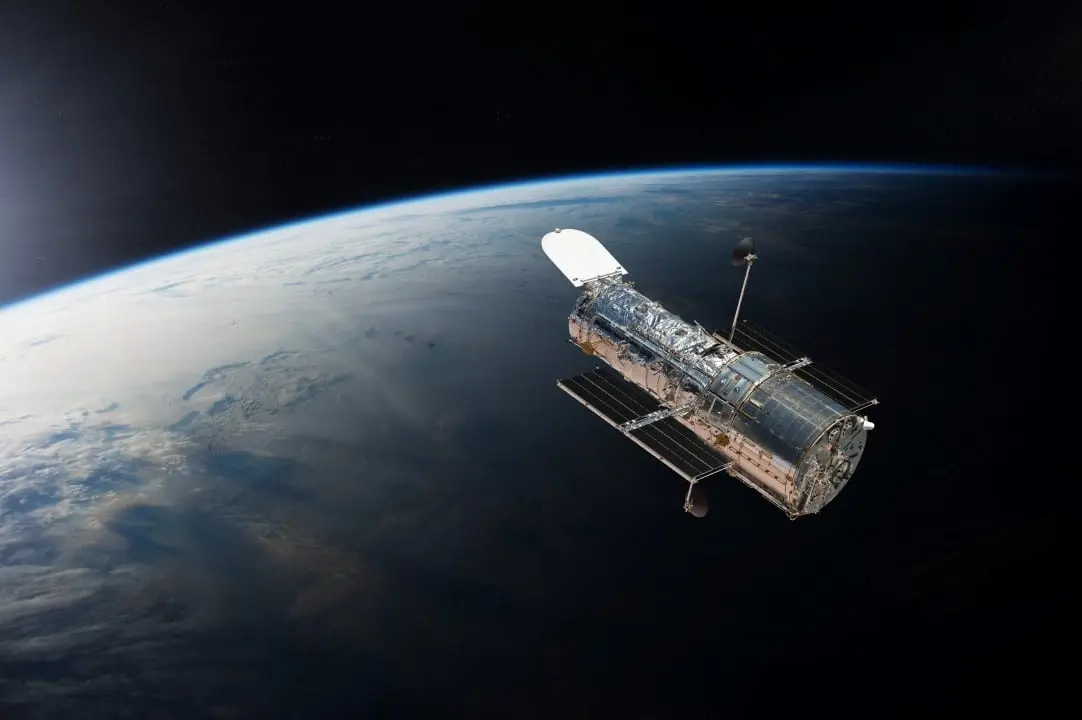
Hubble, operating above the Earth’s atmosphere, is able to overcome some of these obstacles through its privileged position in space. Apesar technical limitations, scientists insist on studying these regions because the knowledge obtained fully justifies the technical effort employed. The observations reveal structures and dynamics that would be impossible to detect from the Earth’s surface.
Tecnologia and image processing
The image of NGC 6540 was captured using two sophisticated instruments working together. The ACS camera provided data in certain wavelength ranges, while WFC3 supplemented the observations with additional information about the distribution and intensity of starlight. Combining data from both instruments allowed astronomers to create a detailed picture of the cluster’s internal structure. Essas technologies work together to detect individual photons emitted by distant stars, even as their light passes through layers of interstellar dust.
Leia Também

Three days after earthquake, rescue teams find 11-year-old boy under rubble in Venezuela

Dispute in Austria: Russell takes pole position in the 2026 Formula 1 GP; find out where to watch in the USA and 7 other countries

Complete guide to external batteries in 2026 with affordable options and high-performance models
Further digital processing significantly improves contrast and reveals structures that would be imperceptible in raw observations. Astrônomos apply contrast enhancement, optical artifact correction, and multi-instrument data alignment techniques to optimize the final result. The resolution achieved allows clear identification of individual stars within the cluster, enabling detailed analyzes of their distribution and characteristics.
Diffraction peaks as a signature of Hubble
Attentive Observadores will notice that the brightest stars in the image display distinctive visual characteristics: cross-shaped luminous bands that radiate from the center of each star. Esse optical phenomenon is called diffraction peaks or diffraction spikes, resulting from physical processes internal to the telescope. Ocorre when the light path that penetrates the instrument is diffracted by the internal structures, particularly by the beams that support the secondary mirror. The geometric shape of the primary reflecting mirror also influences the final appearance of the captured images.
Cada telescope produces different images depending on its specific mechanical and optical configuration. In the case of Hubble, these cross-shaped spikes have become an easily recognizable trademark in all its observations of bright objects. Longe from being a defect, this characteristic has become a visual signature that contributes to the identification of photographs produced by this specific telescope, being appreciated by the scientific community.
Scientific Significado for modern astronomy
NGC 6540 offers unique opportunities for astronomical investigation because its location near the galactic center provides essential context for understanding the history of Via Láctea. Aglomerados globulars contain crucial clues about the first billion years of the galaxy’s existence. By studying multiple clusters distributed towards the galactic nucleus, scientists build a temporal map of galactic evolution. Medições age measurements performed using photometry and spectroscopy reveal when the stars formed, while shape analyzes indicate how gravitational dynamics shaped the structure over time. Investigações spatial distributions illuminate patterns of motion and historical gravitational interactions that shaped the galaxy.
NGC 6540, in particular, allows detailed comparisons with other clusters, refining computational models of galaxy formation. Compreensão’s in-depth look at these systems contributes to general knowledge about how galaxies originate and evolve in the cosmos, providing insights that transcend the isolated study of a single celestial object.