The Real Madrid locker room is going through a moment of deep tension with a clear division between players over Vinicius Júnior’s ascension to the captaincy. Conflitos that began with questions about technical methodology exploded into episodes of disrespect during training, creating two rival wings in the squad. The fragmentation gained new contours when part of the group began to openly resist the leadership of the Brazilian striker, fueling a split that goes beyond specific disagreements between athletes.
Crisis Origem in Xabi Alonso Methodology
The tension accumulated since October gained strength when important players began to express discomfort with the work of coach Xabi Alonso. Críticas focused on rigid training, excessive video analysis sessions and a heavy routine that generated progressive disengagement. The athletes’ behavior during tactical instructions revealed a lack of commitment, with some pretending to sleep and talking openly about the coach’s instructions.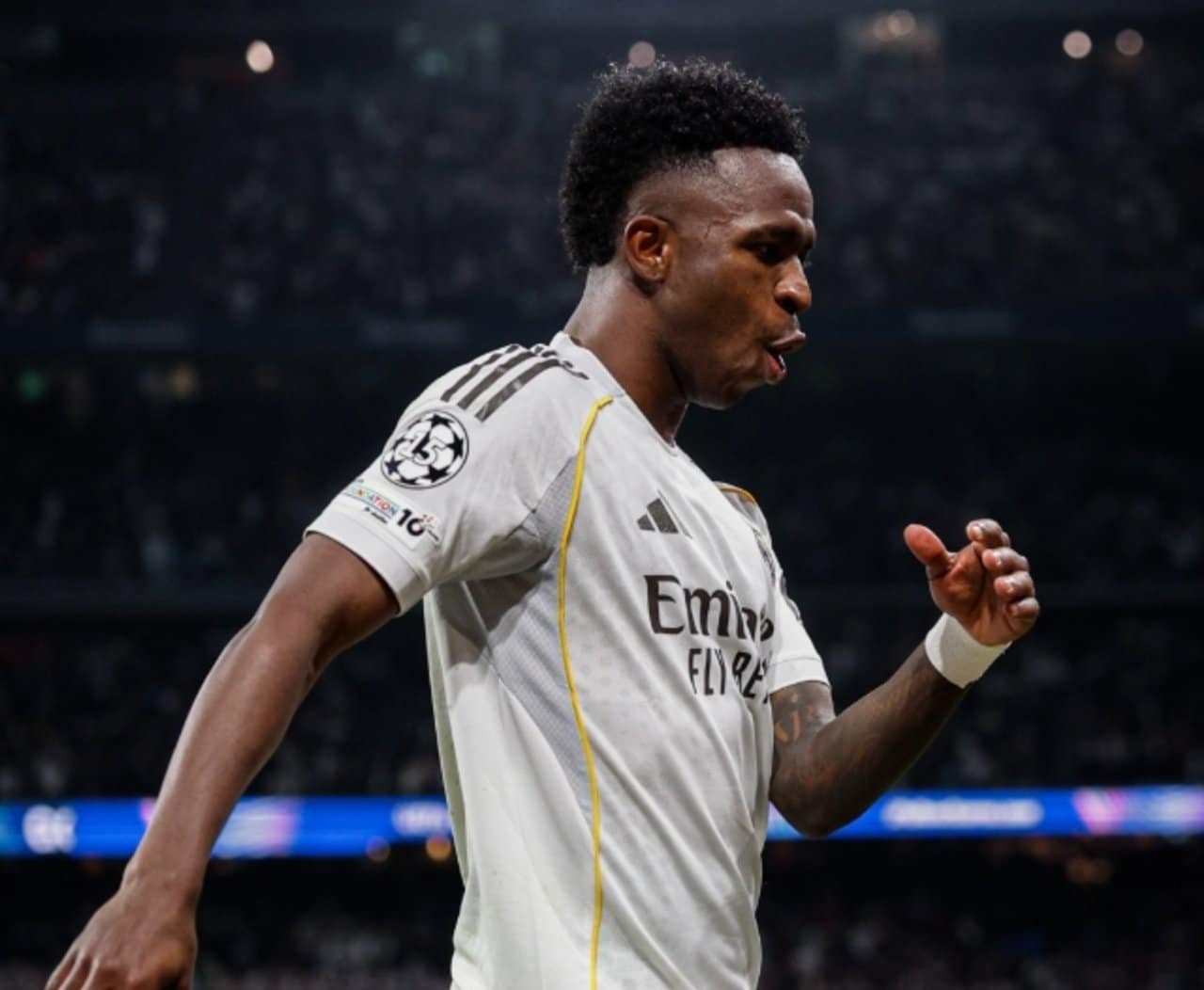
The collective reaction reached a tipping point when Xabi Alonso publicly exclaimed, “I didn’t know I was coming to kindergarten!” The episode highlighted a clear break in communication between the technical committee and the cast, transforming technical dissatisfactions into issues of leadership and authority within the group.
Duas rival wings divide the squad
The squad was fragmented into two blocks with opposing positions on tactical ideas. Aurélien Tchouaméni emerged as a defender of Xabi Alonso’s methodologies, while Federico Valverde took a contrary stance, aligned with Vinicius Júnior and other dissatisfied players. Essa division generated embarrassing episodes in training and had a direct impact on the relationships between the athletes.
The conflict between Valverde and Tchouaméni intensified on the eve of the classic against Barcelona, demonstrating that tensions go beyond technical issues and reflect deeper political divisions. The lack of consolidated leadership in the group further aggravated the situation, leaving the dressing room without unified references.
Questionamentos on Vinicius Júnior’s captaincy
- Críticas on Vinicius’s Leadership Ability to Unify Divided Group
- Desconfiança on Valverde’s suitability to mediate internal conflicts
- Questionamento whether seniority criteria is sufficient to appoint captains
- Preocupação lacks consolidated leadership in the locker room
- Debate on whether the captain should come from a different block than the one that Xabi Alonso resisted
The discussion about who should lead Real Madrid gained strength in parallel with the deterioration of the internal climate. Setores from the club consider that the captaincy should not fall to players who are part of the block that resisted Xabi Alonso’s work, reflecting deep distrust in Vinicius’s leadership capacity and Valverde’s inadequacy to mediate conflicts. The impasse reveals that the choice of captain went beyond technical issues and became a symbol of larger political divisions.
Additional Fatores that intensify the crisis
The signing of Mbappé acted as an additional catalyst for wear and tear in the locker room. Alguns players expressed discomfort with the Frenchman’s integration, while disputed narratives within the club fueled distrust and competition for space. The relationship between part of the cast and assistant coach Arbeloa also suffered significant deterioration over the months.
The pressure of high-level competition, especially with Mundial looming, has intensified concerns regarding injuries and the need for cohesion. Fragmentation drastically reduces the unity needed for critical moments, when collective cohesion determines success or failure in important decisions.
Impacto on group dynamics and future prospects
Equipes that suffer internal splits tend to experience fluctuations in performance and difficulties at decisive moments. Real Madrid operates with a base of experienced athletes, but the absence of unified leadership creates a vacuum that each faction tries to fill according to its interests, fueling cycles of distrust instead of mobilizing the group towards common goals. The situation cannot be resolved only with technical or tactical decisions, but requires clear intervention in group dynamics and reestablishment of a consolidated hierarchy of leadership in the locker room to recover the necessary cohesion.