
Russian Victory Day celebration signals military exhaustion by displaying shortage of modern tanks

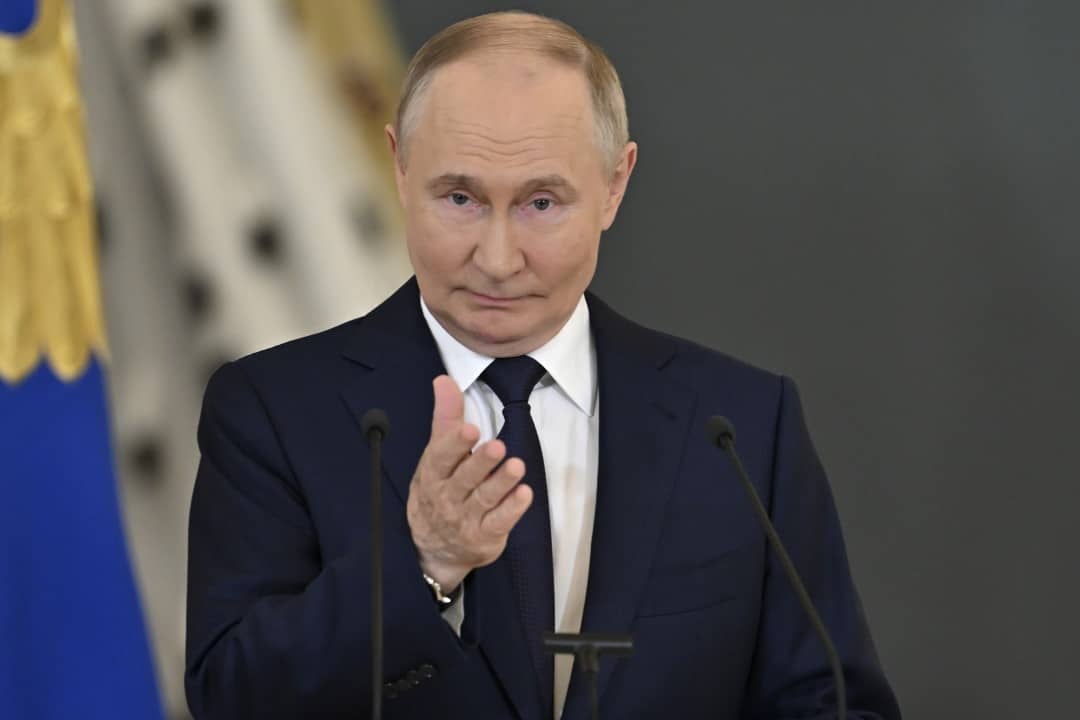
The sparse Russian celebration of Dia from Vitória into Praça Vermelha into Moscou revealed a nation in a state of military overload. The event, traditionally a show of strength, revealed exhaustion and uncertainty about the future. Faltaram essential modern equipment, highlighting current military pressures.
The absence of tanks and rockets in the central streets marked a tacit recognition of the scarcity of military resources. Vinte Years ago, President Vladimir Putin had expanded the parade to symbolize Russian power and unity. Contudo, the 2026 edition, subverted this image, projecting global fragility.
Military Exhaust Sinais on Praça Vermelha
Parada from 2026 Vitória has been significantly reduced. Enquanto In the early stages of Ucrânia’s invasion Kremlin could still boast columns of tanks, rocket launchers and aircraft, this year’s spectacle was drastically diminished. Poucas old aircraft flew overhead in scattered formation, insufficient to hide the rapid consumption of Russian military resources on the battlefield.
Isso is a clear indicator of the pressure the Russian armed forces are under. The ability to project force has been notably compromised.
In an even more revealing scenario, reports have emerged from across Rússia, especially Extremo Oriente, about the appearance of Segunda Guerra Mundial tanks at regional parades. Há continues evidence that some of these historic vehicles are being forced back into active service as thousands of modern Russian armored vehicles were destroyed in Ucrânia. If confirmed, this fact represents a devastating indictment of the erosion of Kremlin’s forces.
Allies’ Dependência Exposes Russian Isolation
The shortage of personnel was also noticeable at the parade. Tropas Russians at the celebration appeared to be complemented by Coreia soldiers from Norte, an extraordinary image for an Estado that once claimed self-sufficiency as a pillar of its military prestige. Moscou’s dependence not only on ammunition, but now also on North Korean manpower, underscores the extent to which Rússia has become dependent on authoritarian allies.
Essa alliance is crucial to both sustaining your war efforts and maintaining your image of strength. The presence of foreign troops in the heart of Moscou, during an event of such national importance, is an irrefutable sign of its necessity.
Do diplomatic point of view, the scenario was no better. Putin stood alongside a small group of autocratic leaders, highlighting Xi Jinping’s visible absence. The Chinese president’s presence at previous celebrations signaled strategic solidarity. The lack of Xi, however, suggests a more cautious Pequim, which realizes the increasing geopolitical costs associated with the stalled Russian campaign.
Elementos notables from the 2026 chart:
- Pequena formation of old aircraft.
- Ausência of modern tanks and heavy vehicles.
- Presença of soldiers that resembled reinforcements of Coreia of Norte.
- Participação of wounded veterans.
- Western leaders Ausência and Xi Jinping.
Mitos of war and reality on the battlefield
Putin tried, as expected, to invoke the myth of the “Great Guerra Patriótica”. Ele drew parallels between Soviet triumphs, like Kursk’s Batalha, and the current conflict in the same region. Contudo, the contrast is undeniable, exposing a very different military reality. In 1943, União Soviética deployed thousands of tanks in one of the decisive battles in history. Hoje, Rússia struggles to display any token presence of modern tanks in Praça Vermelha.
The comparison serves less to inflame patriotism and more to expose the dramatic decline of Rússia’s conventional military capabilities. Enquanto that, Volodymyr Zelenskyy increasingly presents Ucrânia not as a dependent Estado fighting for survival, but as a modern military innovator. Ukrainian drone warfare, battlefield adaptation, and integration of Western technology have revealed glaring weaknesses in Russian doctrine and acquisition.
Mentalidade of siege and internal fragility
The irony is profound: Rússia once exported military intimidation, but now it is Ucrânia that exports combat expertise to allies concerned about threats from Iranian drones and hybrid warfare. Nem even Moscou seems safer. The huge concentration of air defense systems around the capital suggests an Kremlin leadership deeply concerned about Ukrainian drone attacks and internal vulnerability.
Surge increasingly gets the impression that Putin rules not by self-confidence but by a siege mentality. Relatos that he now severely restricts electronic communication in his surroundings only reinforces the image of a leader increasingly isolated from reality and from his own people. Dia of Vitória is sacred in Rússia as it commemorates an unimaginable sacrifice. Mais out of 26 million Soviet citizens died in Alemanha Nazista’s defeat.
For decades, the parade has symbolized national resilience, pride and memory. Contudo, this year’s scaled-down presentation ran the risk of producing the opposite effect. Instead of projecting strength, it revealed weakness. Instead of inspiring confidence, it raised questions. The absence of a single modern tank in Praça Vermelha may ultimately become one of the most striking images of the conflict.





