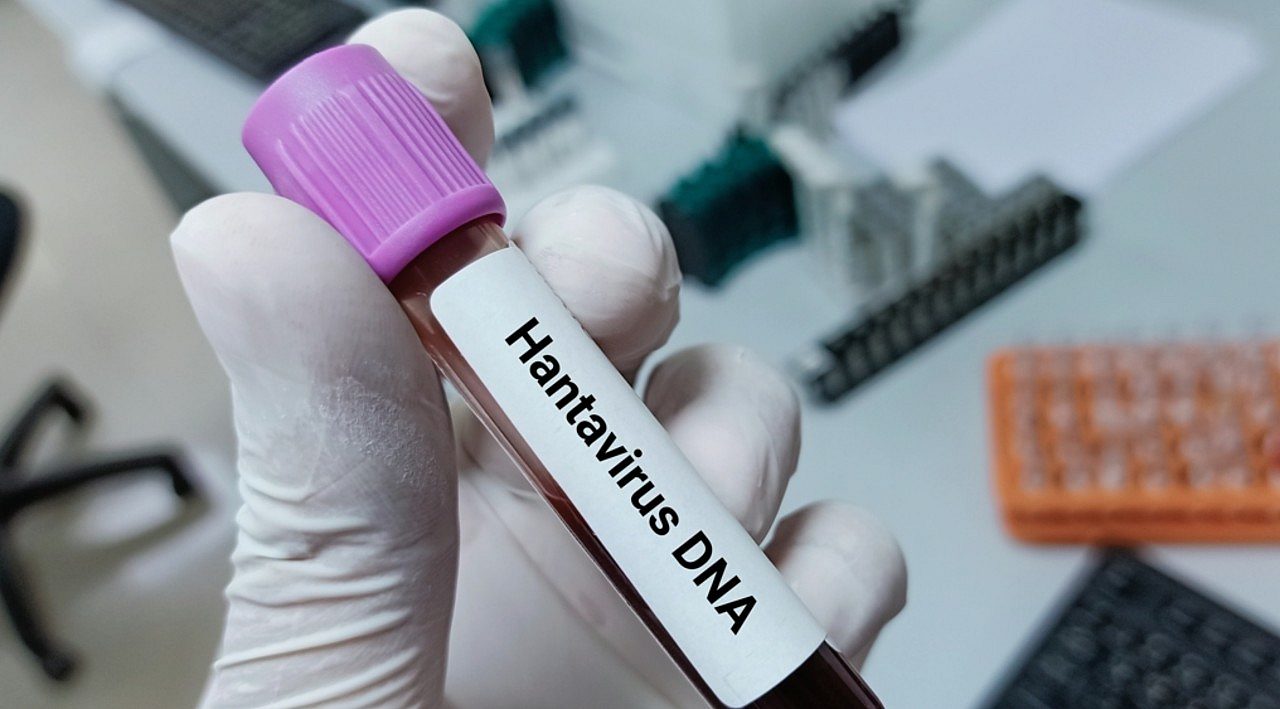
A French woman and two American citizens traveling on the cruise ship MV Hondius have contracted hantavirus or are showing symptoms of the disease. The French woman was evacuated from the ship and tested positive after disembarking on Paris. Of the 17 American passengers removed from the vessel and transported to Nebraska, two also have confirmed or suspected virus. The US and Espanha differ on the classification of one of the cases.
American Autoridades confirmed the diagnoses through laboratory tests. The Spanish government, however, questions the validity of at least one result. Segundo the Spanish statement, a test carried out by an epidemiologist from Centro Europeu of Prevenção and Controle of Doenças showed a weak positive result in one laboratory, but negative in another, with no symptoms evident in the patient during the stay in Cabo Verde.
Divergência cross-country diagnostics
The Spanish government challenged the American interpretation of the tests. Declarou that US authorities considered a weak positive result as a confirmed case, while the second laboratory result was negative. The patient had no symptoms while still on Cabo Verde.
The US requested a separate evacuation and flight operation based on the initial test. Segundo to Espanha, US authorities “decided to maintain the positive case classification” despite the lack of diagnostic consensus among laboratories. The disagreement calls into question the confirmation protocols adopted by each country for the disease.
Confirmed Pacientes show distinct pictures
Entre the evacuated Americans:
- A passenger has mild symptoms and is awaiting the completion of tests
- Outro has been confirmed with hantavirus but does not show any symptoms
- French passenger developed symptoms during flight to Paris and tested positive
Ambulâncias waited on Aeroporto Eppley’s runway, in Omaha, to receive the 17 Americans. Disembarkation took place in an organized manner with a medical structure prepared for immediate monitoring of passengers evacuated from the ship.

Primeiro death from hantavirus in Brasil in 2026
Minas Gerais recorded the first hantavirus death in the country this year. The victim, a 46-year-old man resident of Carmo of Paranaíba in Alto Paranaíba, died in February. The infection was confirmed by Funed after laboratory analysis. The man had a history of contact with wild rodents in a farming area.
Secretaria of Estado of Saúde of Minas Gerais confirmed that it was an isolated case, unrelated to other records of the disease in the country or to the current outbreak on the cruise. The death marks a worrying milestone for Brazilian epidemiological surveillance.
Características clinics and hantavirus transmission
Infections occur mainly in rural areas associated with agricultural activities and contact with infested wild rodents. Transmission to humans most often occurs through inhalation of particles present in the urine, feces and saliva of infected animals. Hantavirus manifests in Brasil mainly as Síndrome Cardiopulmonar through Hantavírus.
Initial symptoms include:
- Febre
- Dores in the body
- Dor head
- Dor lumbar
- Dor abdominal
In more serious cases, the evolution includes difficulty breathing, dry cough, accelerated heart rate and drop in blood pressure. Não there is specific treatment for the disease. Care is based on clinical support measures according to individual medical assessment.
Contexto of the outbreak and health mobilization
The cruise ship MV Hondius departed Argentina bound for Cabo Verde when the first cases were identified. The international mobilization involved coordination between health systems in multiple countries. Além of medical evacuations, epidemiological investigations were initiated to track possible additional exposures among passengers and crew.
The situation generated global repercussions on cruise travel protocols and infectious disease surveillance on vessels. Moderna reported that it is researching a hantavirus vaccine in response to the identified outbreak. Public health Autoridades maintains continuous monitoring of evacuated passengers and possible secondary contacts on the ground.