
Lando Norris defends the end of batteries in F1 to improve performance and competitiveness

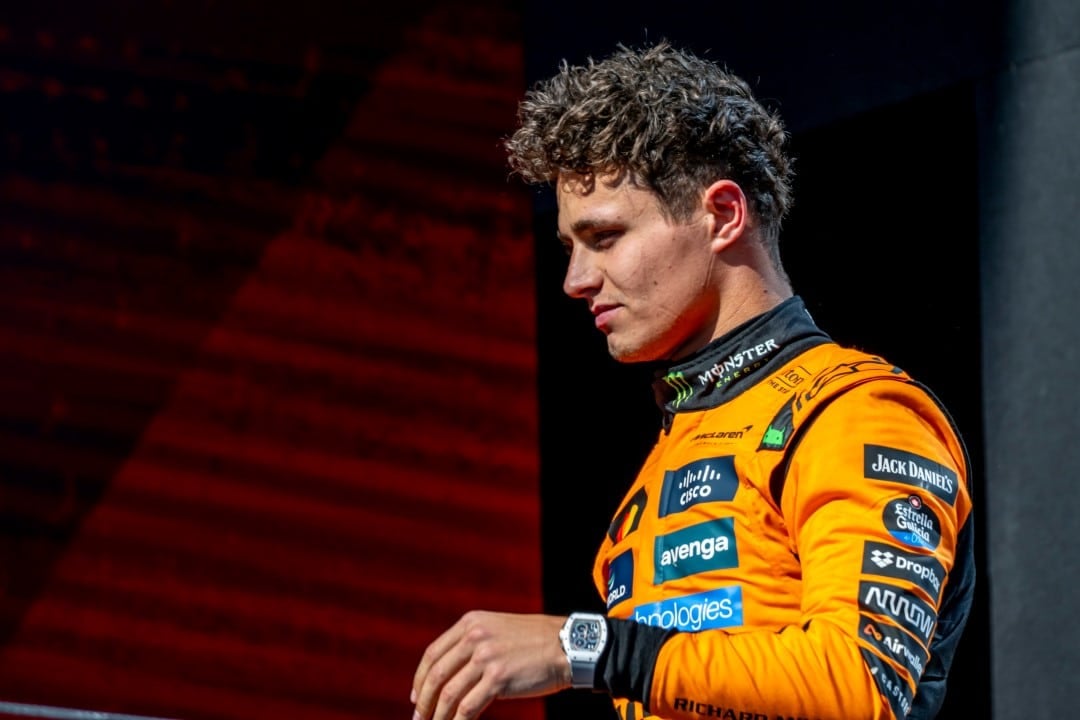
Lando Norris expressed dissatisfaction with the technical direction of the category after Grande Prêmio’s Miami. The McLaren driver stated that the recent adjustments to energy management are only stopgap measures. Para the current champion, the central problem lies in the excessive dependence on electrical systems. Ele believes the ultimate solution would be to completely remove the batteries in the coming years.
Fórmula 1 has implemented changes to allow competitors to accelerate more during qualifying laps. The objective was to reduce the need to run in neutral to save load. Norris recognized that the change represents progress, but pointed out that the level of driving required is still far from the competition’s historical ideal. Current dynamics force athletes to manage components rather than seeking the absolute mechanical limit.
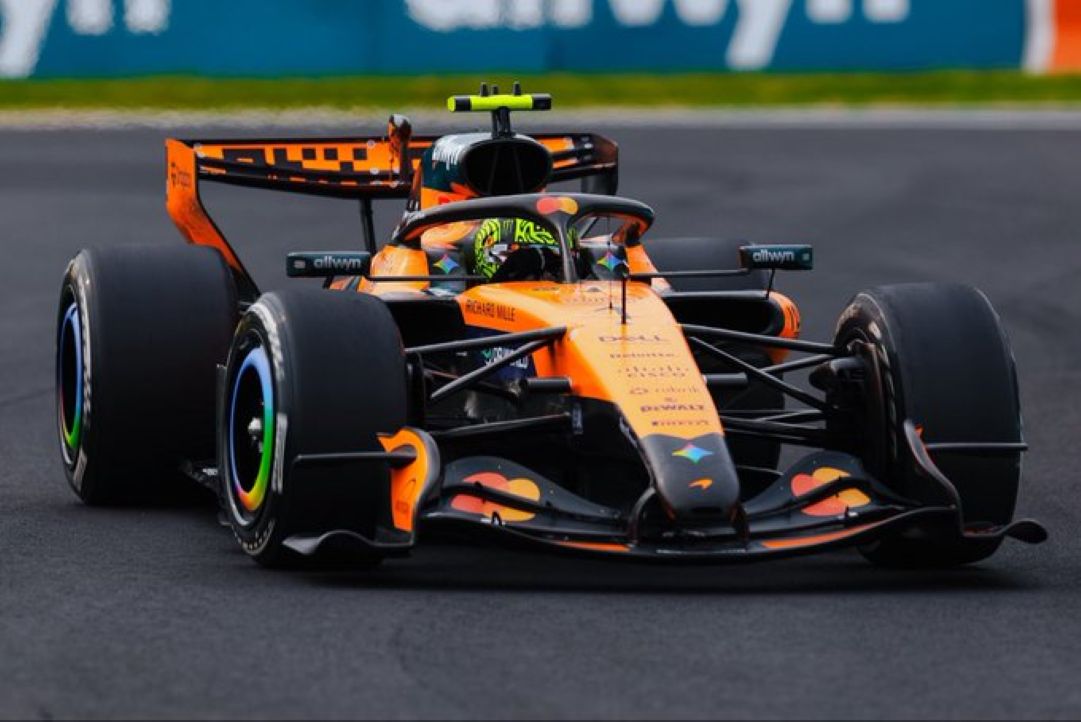
Lando Norris points out limitations in power management
The British driver highlighted that the punishment for driving aggressively remains present in the current regulations. Segundo your analysis, forcing the pace in all curves results in performance losses due to lack of accumulated electrical charge. Norris highlighted that the current hardware prevents purely speed-oriented riding. Ele argues that a driver should never be penalized for trying to get the most out of the car in each sector of the track.
The complexity of the hybrid system creates a frustrating scenario for those looking for the classic style of competition. Durante interviews in Miami, the champion was emphatic in saying that the fix for this situation will not come from small software adjustments. The suggestion to abandon batteries aims to simplify the dispute and return the leading role to the internal combustion engine.
Divergências speed generates safety risks on the track
Oscar Piastri, Norris’s teammate, offered a worrying perspective on the safety and predictability of overtaking. The Australian reported that the approach speeds between a car that discharges energy and another that recharges are extremely high. Esse phenomenon creates defense and attack situations that border on random. On high-speed circuits, the difference in pace can cause serious accidents, like the one recently recorded with Oliver Bearman.
- Velocidades excessive approaches make defensive maneuvers difficult
- Diferença rhythm between pilots in different energy modes creates insecurity
- Active Aerodinâmica makes the car slower when changing direction quickly
- Colaboração between FIA and F1 seeks to mitigate problems, but runs into hardware
- Próximos steps depend on the agility in implementing new components
The difficulty of anticipating the opponent’s movement becomes a physical and mental challenge. Piastri mentioned that trust between pilots is tested to the limit when the moving wings are deployed. The car presents a less agile response in sudden maneuvers under the so-called Modo Reta. Essa technical feature requires athletes to think much further in advance than in previous eras of the category.
Kimi Antonelli reinforces the need for trust among competitors
The race winner and current championship leader, Kimi Antonelli, agreed with the observations about aerodynamic instability. Ele explained that wheel-to-wheel driving requires a silent pact of respect between opponents. Quando active drag reduction systems are operating, maneuverability is drastically reduced. Antonelli sees Miami’s changes as tentative progress, but looks forward to more robust developments.
The management of Fórmula 1 is already planning structural changes for the 2027 season. The plan includes increasing the power of the combustion engine by 50 kW by increasing the fuel flow. Simultaneamente, there will be an equivalent reduction in electrical dependence by adjusting the power split to a 60-40 ratio. Essa measure aims to bring cars closer to the behavior suggested by Norris, reducing the burden of electronic management during races.
Impactos technical transition to 2027 regulation
Category stakeholders admit that current hardware has reached a development ceiling. The search for a balance between hybrid sustainability and on-track spectacle has proven to be a complex task for engineers. Increased burning of fossil or synthetic fuel is seen as a necessary evil to restore power linearity. Pilotos veterans and newcomers alike agree that battery dependence turns the sport into an exercise in technical patience.
The new engines are expected to offer more predictable torque delivery. Sem the peaks and valleys caused by kinetic energy regeneration, disputes tend to be more direct. Lando Norris and his colleagues hope these changes occur as quickly as possible to prevent the category from losing its competitive appeal. The future of the Fórmula 1 seems to be heading towards a simplification of systems, responding to the clamor of those behind the wheel.



