

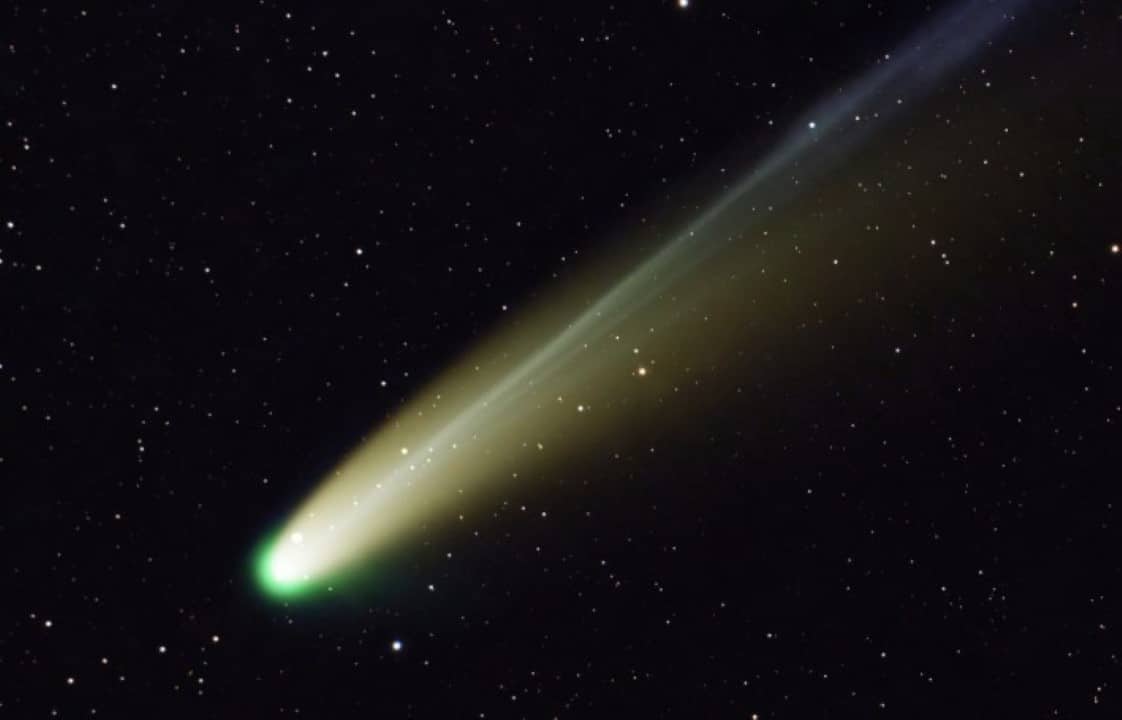
Comet C/2025 A6, popularly known as Lemmon, maintains its visibility in the night sky even after reaching the closest point to our planet. The celestial body passed at a distance of approximately 89 million kilometers from Terra in October 2026. The approach allowed observers to follow the phenomenon with the naked eye in regions with low light pollution. The object has a very peculiar greenish color. Essa hue results from the release of specific gases during heating caused by solar radiation.
Descoberto at the beginning of the year by the Mount Lemmon Survey project, located in the state of Arizona, in Estados Unidos, the star has an extremely long orbital cycle. Especialistas calculate that a new passage through the internal Sistema Solar will only occur in 1,300 years. The origin of the object goes back to Nuvem of Oort. Essa distant region is home to billions of fragments of ice and rock left over from the formation of our planetary system. The current opportunity mobilizes both professional astronomers and space observation enthusiasts in several countries.

Trajetória and chemical characteristics of the celestial body
The initial identification of Lemmon occurred when the equipment recorded a bright point with the appearance of an asteroid. Imagens captured in the following weeks revealed the formation of a condensed coma and the development of a short tail. The perihelion, the moment of closest approach to Sol, occurred at the beginning of November 2026. The star came to be 0.53 astronomical units away from the central star. The intense heat triggered the accelerated sublimation of the ice present in the core.
The object’s maximum brightness coincided with its closest passage to Earth’s orbit. Relatórios from astronomy centers indicate that the apparent magnitude varied between 3.5 and 4.4 during peak visibility. The fluorescent green color arises from the interaction of sunlight with cyanogen and carbon dioxide molecules. The chemical phenomenon creates a glowing aura around the rocky core. The comet’s ionic tail extended significantly into deep space.
Long-exposure Fotografias showed that the trail of light reached up to 12 degrees in length across the night sky. The object’s apparent displacement initially occurred through the Ursa Maior constellation. The path crossed the celestial equator soon after. The travel speed and dynamics of the ejected gases provide valuable data on the primordial composition of Sistema Solar. Pesquisadores uses this information to understand the chemical conditions present billions of years ago.
Diferenças striking in relation to comet Swan
The 2026 astronomical scenario gained an extra element with the simultaneous presence of comet C/2025 R2, named Swan. The object reached its minimum distance from Terra practically in the same period as Lemmon. The discovery occurred in September through analyzes carried out by a Ukrainian amateur astronomer. The independent researcher used public images from the instrument on board the SOHO satellite. Swan developed a noticeable tail shortly after its first official detection.
Apesar’s greater physical proximity to our planet, Swan showed a distinct visual behavior. The glow appeared much fainter to casual observers. Viewing required the use of binoculars or telescopes in most locations. Lemmon, on the other hand, stood out as the easiest and brightest target of the season. Ambos share the classification of long-period comets with greatly elongated elliptical orbits.
Swan’s return time is estimated to be between 650 and 700 years, a cycle considerably shorter than that of its traveling companion. A greenish color appeared on both celestial bodies, but the light intensity of Lemmon ensured a longer observation window after perihelion. Swan quickly lost momentum as it moved away from Sol. The double pass generated a coordinated monitoring effort at observatories around the world.
Equipamentos and ideal conditions for monitoring
The contemplation of subtle astronomical phenomena directly depends on the quality of the night sky. Especialistas recommend that interested parties look for rural areas or suburbs far from large urban centers. Light pollution from cities obscures the natural brightness of celestial objects. The human eye needs approximately twenty minutes of total darkness to achieve optimal adaptation. Using red light flashlights helps preserve night vision when reading star maps.
The use of basic optical instruments transforms the observation experience. Binóculos with specs like 7×50 or 10×50 are highly recommended for beginners. The equipment offers a wide field of view that makes it easier to locate the comet among the background stars. Astronomy Aplicativos installed on smartphones act as accurate guides in real time. The software uses the device’s gyroscope and GPS to point out the exact direction of the target in the sky.
Small and medium-sized Telescópios reveal structural details impossible to capture with the naked eye. The observer can distinguish the density of the coma and the finer branches of the dust and ion tail. Instituições teaching and astronomy clubs often organize public observation sessions during the passage of bright comets. The most suitable time for the search varies depending on the declination of the object, generally occurring in the early hours of the night or shortly before dawn.
Astronomical Calendário reserves other phenomena in the period
The night sky offers a diverse program that goes beyond the passage of icy bodies. Terra’s orbital dynamics provide regular encounters with trails of space debris. The comet observation period coincides with other celestial events of great popular appeal. The combination of phenomena attracts public attention to astronomical science. Proper planning allows you to attend multiple shows on the same night.
Observers can take advantage of the darkness to look for the following events in the sky:
- Chuva of Orionídeos meteors, formed by fragments left by the famous Cometa Halley in its previous passages.
- Taxa fall of up to twenty meteors per hour during peak nights in locations with perfect atmospheric conditions.
- Superlua of Castor, scheduled for early November, when the natural satellite reaches perigee.
- Aumento apparent in the size and brightness of the lunar disk, dominating the illumination of the night sky.
The presence of an Superlua directly interferes with the visibility of fainter objects, such as meteors and comets. The intense brightness of the natural satellite acts as a source of natural light pollution. Astronomers recommend that the search for Lemmon occur on days when Lua rises later or sets earlier. Constant monitoring of weather conditions also defines the success of the project. The cosmic spectacle reinforces the importance of preserving dark skies for future generations.



