
Jason Collins, former NBA player and LGBTQIA+ icon, dies at age 47, victim of brain cancer

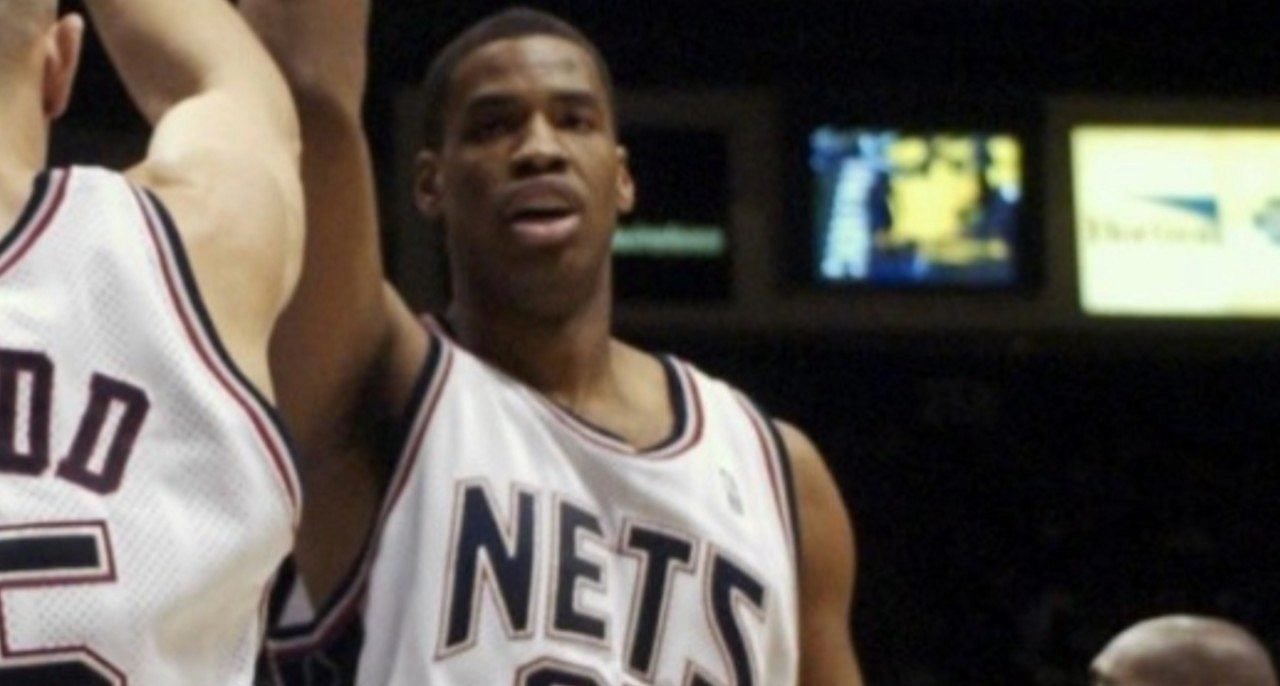
Former NBA player Jason Collins, a pioneer in openly declaring himself gay in the league, passed away this Tuesday (12) at the age of 47 due to brain cancer. The information was confirmed by the family in a statement, detailing that the death occurred peacefully at his home, surrounded by loved ones. Collins had been diagnosed with Estágio glioblastoma 4, one of the most aggressive forms of the disease, in November last year. Ele pursued experimental treatments on Singapura, which initially demonstrated effectiveness, allowing him to return to Estados Unidos and participate in NBA events. Contudo, the cancer had a recent and irreversible recurrence, leading to his death.
This one hurts. Jason Collins was a pioneer. He had courage like you've never seen. He was an incredible teammate. And having him in Brooklyn at the start of my coaching journey meant so much. Those who knew him were blessed to call him a friend. You are already missed my… pic.twitter.com/gG2jWoGRIF
— Jason Kidd (@RealJasonKidd) May 12, 2026
“We are heartbroken to share that Jason Collins, our beloved husband, son, brother and uncle, has passed away after a valiant fight against glioblastoma,” the family said in a statement released by the NBA. The message highlighted how Jason transformed lives in unexpected ways and was an inspiration to all who knew and admired him from afar. The family expressed gratitude for the support and medical care received over the past eight months.
Desafios and hope in the fight against glioblastoma
Jason Collins revealed last November to ESPN that he was facing Estágio 4 glioblastoma. Este type of brain cancer is known for its high lethality and aggressiveness, presenting a challenging prognosis from the initial diagnosis. Doctors informed Collins that, without treatment, he had between six weeks and three months to live, devastating news for the former athlete.
Ele dedicated himself intensely to researching the disease and all available treatment options. “As an athlete, you learn not to panic in moments like this,” Collins said at the time. “It’s the cards I’ve been dealt. Para to me is like ‘shut up and go play Shaq’. Você wants the challenge? Este is the challenge.” Sua proactive approach led him to Singapura for experimental therapies. Esses treatments, not yet authorized in Estados Unidos, allowed him to experience temporary improvement, a rare reprieve from the progression of the disease.
The brief recovery period allowed Collins to participate in the NBA All-Star Weekend at Los Angeles and visit his alma mater, Stanford, moments cherished by him and his family. Contudo, the relentless nature of glioblastoma caused the disease to return, making it impossible to complete his full treatment plan. Collins’s resilience in the face of such a harsh diagnosis was a testament to his spirit, which inspired many on his journey.
Legado pioneer of inclusion in sport
Collins made history in 2013 by becoming the first openly gay athlete to play in one of Norte’s four major professional sports leagues. The revelation was made in a cover story on Sports Illustrated, a milestone that transcended sport and became a symbol of courage and representation. Sua’s decision to come out publicly was made without scandal, focusing on his ability as a player and his identity.
“When I decided to come out of the closet, there was no scandal or anything,” Collins told ESPN in November. “I felt like I was good enough to play in the NBA, and by the way, I’m gay. Apenas to let everyone know, cards on the table, that’s where I’m at.” Sua’s attitude opened doors for future generations of LGBTQIA+ athletes and changed perceptions within the sporting environment.
Collins’s courage resonated widely, receiving support from prominent figures. Ele recalled receiving calls from Oprah Winfrey and then-president Barack Obama following his announcement. Obama, in particular, said, “Congratulations — what you did today will have a positive impact on someone you may never meet in your life.” Seu’s role as a global sports ambassador and advocate for the LGBTQIA+ community was fundamental.
- NBA Comissário, Adam Silver:Destacou that Collins “helped make the NBA, WNBA and the broader sports community more inclusive and welcoming for future generations,” praising his leadership and professionalism.
- Associação Nacional of Jogadores of Basquete (NBPA):Afirmou is “proud to call Jason one of our own,” noting that his bravery “broke barriers, making him a global beacon of hope for the LGBTQIA+ community.”
- Ex-trainer of Stanford, Mike Montgomery:Lamentou the loss of “one of the greats of the program”, remembering the kind and brilliant person that Collins was.
Notable Carreira and posthumous honors
Collins had a solid 13-year career in the NBA, playing for teams like New Jersey Nets, Memphis Grizzlies, Minnesota Timberwolves, Atlanta Hawks, Boston Celtics, Washington Wizards and, again, the Nets, now in Brooklyn. Ele retired in 2014, leaving a mark not only for his performance, but for his pioneering spirit. During his time with Nets, he played alongside stars such as Kevin Garnett, Paul Pierce, Brook Lopez and Joe Johnson, under the command of Jason Kidd, his former teammate on the 2002-03 NBA Finais.
Na Universidade of Stanford, Collins set a school record of nearly 61% shooting, a mark that remains to this day. In 2001, he was an honorable mention in The Associated Press’s All-America selection, months before being chosen 18th in the NBA draft by Houston Rockets. Seu’s former coach, Mike Montgomery, described him as a player capable of facing any opponent due to his intelligence, strength and skill.
Recentemente, Collins was awarded the inaugural Bill Walton Global Champion Award award at Green Sports Alliance Summit. Devido to his health condition, his twin brother, Jarron Collins, also a former NBA player and currently New Orleans Pelicans’s assistant coach, accepted the honor on his behalf. Jarron became emotional as he declared that Jason was “the bravest and strongest man I have ever met.” Jason Collins is survived by her husband, Brunson Green; its parents, Portia and Paul Collins; and its twin brother, Jarron Collins.





