
Xiaomi’s new HyperOS 3.1 interface arrives on cell phones with battery and system optimization

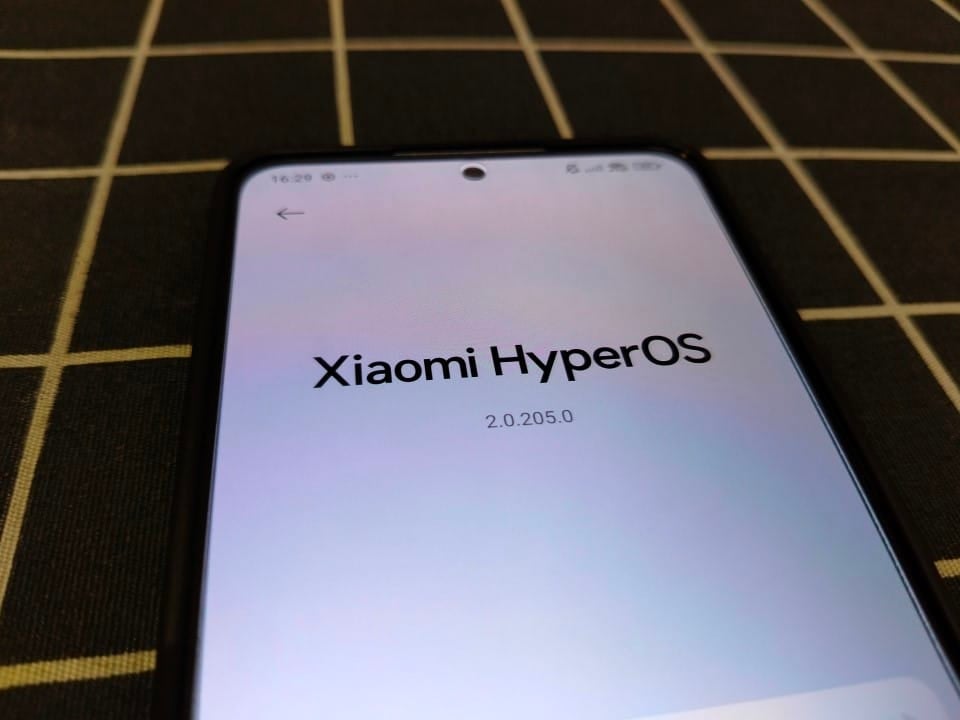
Asian manufacturer Xiaomi has started the global distribution process of its newest user interface for mobile devices. The HyperOS 3.1 operating system, developed from the Android 16 source code, gradually began to reach the brand’s smartphones and tablets. The update promises to reformulate the internal architecture of the devices to provide greater fluidity in daily navigation. The data package initially affects the most advanced models in the company’s catalog.
The main focus of this generation of software lies in fixing performance bottlenecks identified by consumers in recent months. The company’s engineers implemented new RAM memory management algorithms and battery saving protocols. The structural change aims to extend the autonomy of physical components and strengthen the integration of the brand’s ecosystem. Especialistas from the technology sector believes that the strategy seeks to retain current customers by offering faster communication between connected electronics.
Tecnologia Super OTA and visual interface changes
The main technical innovation of the update goes by the commercial name of Super OTA. The mechanism completely changes the way the mobile device processes the download and installation of security packages. The technology drastically reduces the device restart time after applying changes to the system. The manufacturer also applied fixes to reduce the incidence of failures when replacing critical operating system files.
The company’s design department promoted an aesthetic refinement that was noticeable right on the cell phone’s lock screen. Consumers gain access to an expanded catalog of interactive widgets and dozens of options for customizing their digital clock. Transition animations between windows have been given extra rendering frames to feel smoother to the touch. Native apps like the image gallery and file manager feature a restructured layout for easier one-handed use.
The HyperIsland tool has undergone a deep update to its artificial intelligence system. The feature now organizes messaging app notifications and media playback controls dynamically at the top of the panel. Outro major technical advancement involves native compatibility with Apple’s wireless headphones. AirPods owners will now enjoy spatial audio and connection animations similar to those offered by the iOS system.
Mainline Premium Aparelhos Receives Priority
The strategic software release planning prioritizes the most expensive and recent phones sold by the manufacturer. Smartphones classified as high-end are the first group to receive update notification on the servers. The Xiaomi 15 family, made up of the Pro, 15S Pro, 15T and Ultra variants, has native compatibility guaranteed from the beginning of the testing phase. The company’s internal schedule also mentions the future Xiaomi 17 series, which is still awaiting an official announcement to reach the consumer market.
Owners of previous generation devices maintain active support from the development team. The brand confirmed that the complete Xiaomi 14 series, including the Pro and Ultra editions, integrates the main data packet shipping route. The same level of attention extends to users of the Xiaomi 13, 13 Pro and 13 Ultra line. The long-term maintenance policy ensures up to four years of major system updates for these premium devices.
- Dispositivos with a folding screen, like the models Mix Fold 3 and Fold 4, occupy the first tier of the shipping schedule.
- Celulares compacts in shell format, covering the Mix Flip and Mix Flip 2 versions, receive the software with visual adaptations.
- The Civi series, represented by 4 Pro and 5 Pro devices, completes the main brand’s list of priorities.
Adapting the operating system to flexible panels required a specific effort from the software engineering team. Programmers needed to ensure that the application transition between the external screen and the internal display occurred seamlessly and without crashes. The animations representing the opening and closing of virtual hinges have been rewritten to mirror the physical movement of hardware parts with millimeter precision.
Software Expansão for models Redmi and Poco line
The Redmi division concentrates the largest volume of phones eligible for the graphical interface transition. Voltada for the mid-range and entry-level devices segment, the sub-brand reaches a base of millions of consumers on several continents. The popular Note family leads the migration process with the Note 14 series, which encompasses the Pro, Pro+ and 14S editions. The future generation Note 15 will leave the factories with the source code prepared to run the new platform natively.
Technical support covers smartphones launched in previous years to preserve the active user base in the ecosystem. The Redmi Note 13R model, along with its Pro and Pro 4G variants, remains on the maintenance team’s priority list. In the sub-brand’s high-performance segment, the K70, K70E, K70 Pro, K80 and K90 lines have a confirmed presence in the update cycle. Estes specific devices receive optimizations focused on temperature control during prolonged gaming sessions.
The Poco brand presents a leaner list of equipment compatible with the new data package. Reconhecida offers high processing power at competitive costs, the division began internal testing with the Poco F6 Pro device. The future F7 line and the Poco X7 Pro model also appear in the company’s strategic planning documents. The entry portfolio includes the Redmi A3, A3 Pro, 13X and 15 4G models, in addition to the series focused on the gaming public Redmi Turbo 4 and Turbo 5.
Tablet Mercado and Global Release Schedule
The tablet segment assumed a prominent role in the Asian company’s ecosystem expansion strategy. The new version of the software introduces advanced multitasking shortcuts that allow you to split the large screen into up to four simultaneous application windows. The Xiaomi Pad 7 family, available in standard versions, Pro and Ultra, heads the list of devices that will receive the update. The Pad 7S Pro 12.5-inch expanded display model and Pad 6S Pro 12.4 maintain full compatibility with new productivity tools.
The list of large-screen devices also includes the most affordable options from the manufacturer’s catalog. The Pad 8 line, which includes the reduced-size Mini variant, is part of the official software distribution schedule. Pelo side of the sub-brands, the Redmi Pad 2 model, in its Pro, 4G and SE 4G versions, gains gradual access to new features. The Poco Pad M1 tablet concludes the list of equipment that will take advantage of improvements in navigation gestures and visual accessibility options.
The data packet sending process follows a strict quality control protocol divided into geographic phases. The company’s servers release the installation files first to consumers residing in China. Esta initial stage acts as a major stress test in a real environment to identify possible failures that went unnoticed in the laboratories. Após confirmation of the system’s stability, the update receives authorization to cross the borders of the Asian market.
Global expansion happens automatically through notifications on the screen of compatible devices. Brazilian consumers generally receive the news a few weeks after the start of the international distribution cycle. The device owner does not need to perform any complex procedures, simply accessing the system settings menu and searching for available updates. The manufacturer monitors the behavior of updated cell phones to stop shipping immediately if reports of excessive battery consumption or system crashes arise.



