
Asian manufacturer confirms official launch of the Omoda 4 sports utility vehicle with three engines in Brazil

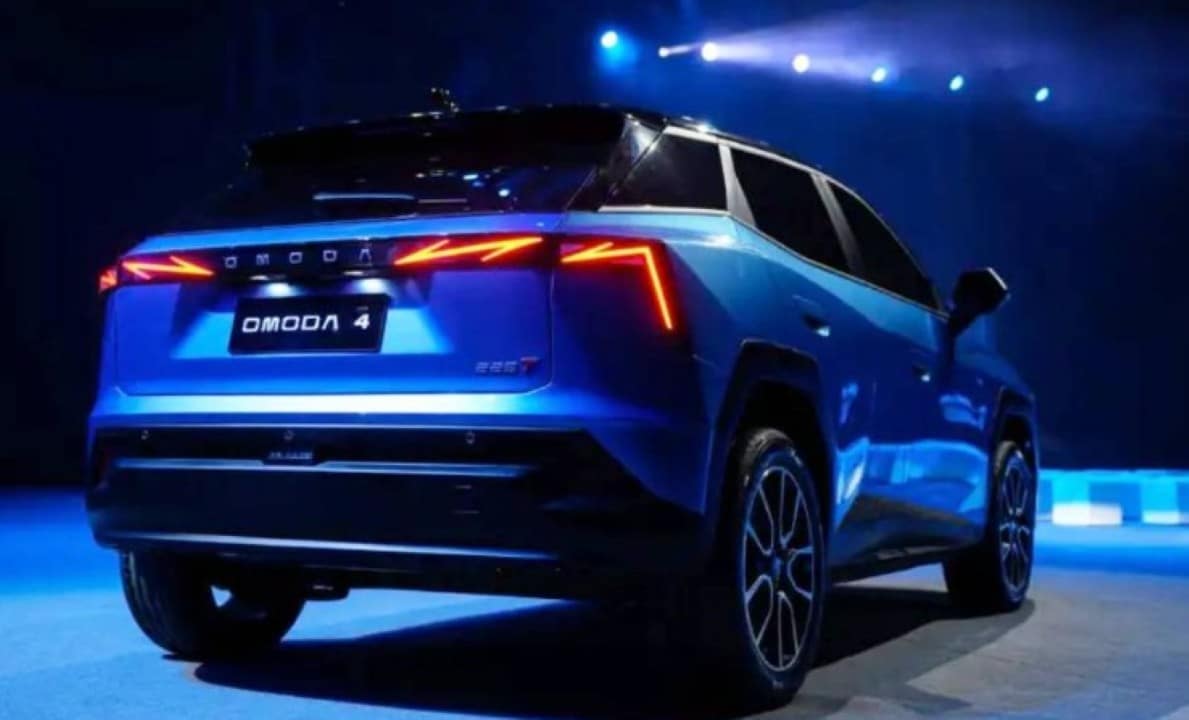
The national automotive industry receives a new option in the compact sports utility vehicle segment with the arrival of the Omoda 4. The Asian model arrives in the country with the aim of competing for space with already established vehicles, such as the Tera, the Pulse and the Kardian. The official presentation took place during a global event in the city of Pequim. The automaker celebrated the milestone of one million units sold across the planet.
The manufacturer’s strategy involves offering three different engine options to meet different consumer profiles. The movement reflects an adaptation to local demands and global energy transition trends. The competition in the utility sector requires constant innovation from brands. The Brazilian market has a high demand for vehicles in this category.
Commercial Estratégia focuses on propellant diversification
Planning for the national territory includes a combustion-powered version with flex technology. Essa configuration allows the use of ethanol or gasoline in any proportion. The decision recognizes the strength of biofuel in the country’s energy matrix. The automaker’s engineers are still finalizing the specific technical adjustments for this variant. The traditional option caters to drivers who prefer conventional mechanics and seek more affordable prices when purchasing.
The second alternative in the catalog presents a hybrid set equipped with the SHS-H system. The engine delivers 224 maximum horsepower. Torque reaches 30.1 kgfm. Essa same mechanical configuration already equips the Omoda 5 model on the Chinese market with positive sales results. Hybrid technology acts as a bridge for consumers who want to reduce their fossil fuel consumption without relying exclusively on electric charging networks.
Especificações electrical system techniques guarantee urban autonomy
The third available configuration completely eliminates the use of liquid fuels through an all-electric engine. The engine generates 204 horsepower and an immediate torque of 34.6 kgfm. Speed in traffic in large cities appears as the main benefit of this mechanical feature. The silence on board and the absence of exhaust emissions attract an audience focused on sustainability.
Energy storage takes place in a battery with a capacity of 61.1 kWh. The component provides an estimated range of around 350 kilometers on a full charge. The range perfectly suits daily urban commutes and allows for short weekend trips. The charging infrastructure on Brazilian highways continues to expand.
The Ultra version of the vehicle raises performance numbers to attract consumers focused on sportiness. The model accelerates from zero to 100 km/h in exactly 7.5 seconds. The brand impresses within the compact family utility vehicle category. The maximum speed is electronically limited and reaches 179 km/h. The blockage follows international road safety standards adopted by several global manufacturers.
Safety Pacote includes advanced driver assistance
The list of standard equipment prioritizes the protection of occupants and the prevention of traffic accidents. Engineers have integrated a robust suite of driver assistance technologies, known by the acronym ADAS. The system acts actively to correct trajectories and avoid collisions in emergency situations. Daily driving becomes more predictable with the help of electronic sensors.
The cabin offers features aimed at passenger comfort and connectivity. The main interface concentrates the vehicle’s commands on a single digital surface. Convenience items seek to equate the utility with models from higher categories. The manufacturer highlights the following equipment in the official list:
- Tela 13.2-inch high-resolution infotainment center
- Câmera 540-degree panoramic view for complete view of surroundings and ground
- 50W Induction Carregamento for Compatible Electronic Devices
- Sistema ADAS comprised of 16 autonomous driver assistance features
The panoramic camera makes it easier to maneuver in confined spaces and tight garages. The high-power wireless charger eliminates the need for cables strewn across the center console. The 13.2-inch screen combines navigation, climate control and media functions with quick responses to touches. Embedded technology acts as a strong sales argument at dealerships.
Inspiração aesthetic seeks references in the luxury segment
The design department adopted aggressive lines on the front of the vehicle. The features refer to the look of the Lamborghini Urus luxury sports car. The aesthetic choice creates a striking identity and differentiates the utility vehicle from more conservative competitors. The tapered headlights follow contemporary trends in the global automotive industry. The shape of the front grille optimizes airflow to the engine bay.
The interior of the cabin maintains its inspiration from high-performance vehicles. The start button replicates the style found on the sports car





