
Astronomers identify ten thousand potential new worlds with analysis of data from the TESS satellite

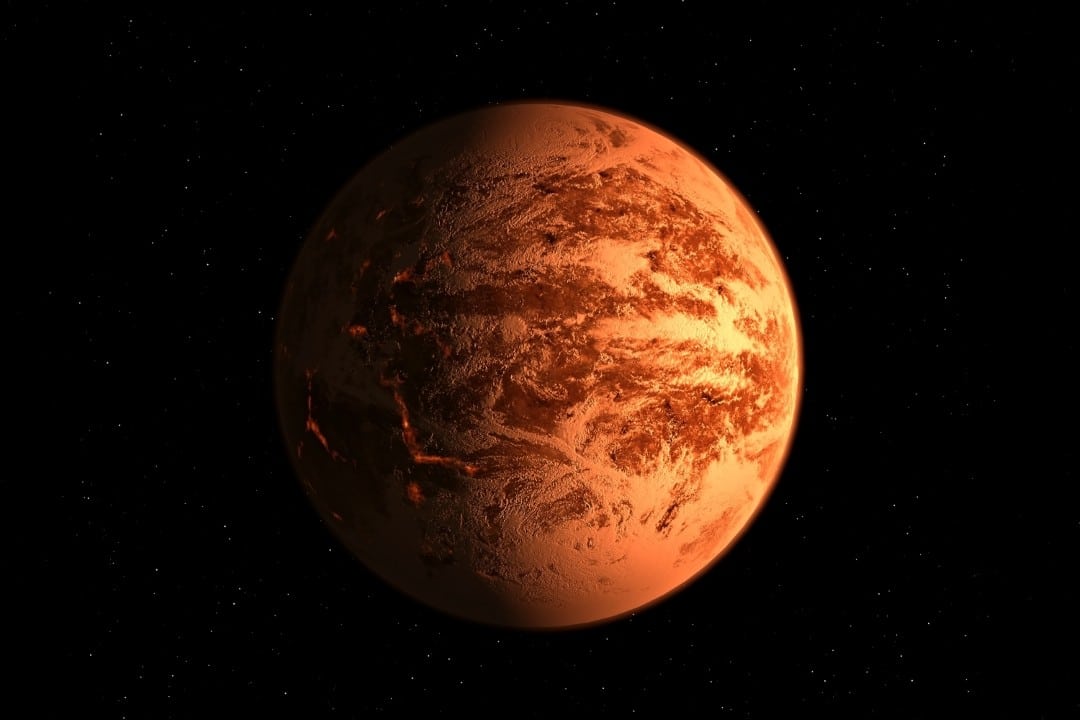
An international team of astronomers has mapped 11,554 exoplanet candidates from the first round of observations from the TESS satellite. The survey identified 10,091 unprecedented celestial bodies that went unnoticed in previous scans. The project applied machine learning algorithms to examine the luminous behavior of more than 83 million stars in the galaxy. The research represents a leap in the inventory of potential worlds.
Space equipment records subtle variations in the brightness of stars, a phenomenon that occurs when a planet passes in front of the stellar disk. Traditional searches prioritized stars with high light output. The new program, called T16, extended the analysis parameters to encompass fainter stars, reaching the limit of magnitude 16. Essa change allowed us to extract signals hidden by the natural noise of the instruments.

Foco in lower bright stars increases the volume of detections
The satellite captures continuous wide-field images during its orbits, generating a massive volume of records. In star systems with low luminosity, drops in brightness caused by the passage of planets often mix with normal interference. Conventional filtering methods presented technical difficulties in isolating these specific signals. The team developed a different approach to handle the raw data accumulated in the initial phase of the mission.
Scientists processed 83,717,159 light curves extracted from the orbiting equipment’s Ciclo 1. The work required the application of uniform corrections to eliminate instrumental biases and systematic errors. Após material cleaning, the semi-automatic system tracked the characteristic planetary transit patterns. The scan resulted in a diverse catalog of potential worlds.
- The candidates’ orbital periods vary between twelve hours and twenty-seven Earth days.
- The survey classified 10,091 signals as completely new discoveries in astronomy.
- The system reconfirmed 1,052 celestial bodies already cataloged in previous research.
- The data shows 411 targets with only one recorded transit, without exact orbit definition.
- The vast majority of potential new planets orbit low-emitting stars.
Expanding the search parameters recovers valuable information that the mission’s official processing system ended up discarding. The satellite’s default filter set a brightness limit that automatically excluded millions of smaller stars. Recovering this data optimizes the investment made in the space observatory.
Validação from gas giant confirms effectiveness of new method
Para prove the accuracy of the algorithm, the researchers selected one of the candidates for direct observation from the ground. The team used the Magellan telescope, installed on Chile, to perform radial velocity measurements of the target star system. The procedure confirmed the existence of the planet TIC 183374187 b, classified as a hot Júpiter. The celestial body orbits a star with a low concentration of metals, located 3,950 light years from Terra.
Physical confirmation demonstrates that the processing routine can identify real planets in the vast database. The gas giant’s host star belongs to the region known as Via Láctea’s thick disk. The signal detected by the algorithm has passed all the rigorous verification tests required by the astronomical community. Scientists applied complex physical models to rule out any possibility of instrumental failure.
Success in validating this first target establishes a high level of confidence for the rest of the catalogue. A significant portion of the thousands of candidates will require follow-up observation campaigns to receive confirmed planet status. The individual verification process takes time and can take several months or years.
Catálogo expands targets for observations with advanced telescopes
The global inventory of confirmed exoplanets broke the mark of six thousand units in the year 2025. The space observatory responsible for this new wave of data had already contributed hundreds of official discoveries. The publication of this new catalog has the potential to double the number of candidates associated exclusively with this mission. The volume of information available reaches an unprecedented level.
The predominance of targets orbiting faint stars creates a rich work roadmap for the coming years. Esses star systems represent ideal targets for next-generation instruments such as the James Webb space telescope. Planets with very short orbits tend to have extreme surface temperatures. Embora intense heat limits the immediate chances of habitability, the study of these worlds provides fundamental pieces for understanding planetary formation.
Those responsible for the T16 project are already structuring the next phases of the research, which will encompass the satellite’s subsequent observation cycles. Applying the same methodology to more recent data should add thousands of new candidates to the current list. Analysis of events that cross multiple observation sectors will help refine the accuracy of orbital period calculations.
Scientific Publicação details space research parameters
The methodology required the removal of uniform trends in all light curves analyzed during the process. The use of machine learning acted as a primary tool for distinguishing actual planetary transits from stellar anomalies. The researchers performed manual checks on phase and residual plots to ensure the technical quality of the final sample. Methodological rigor ensures data reliability.
The parameter distributions reveal that the candidates are spread across stars of different spectral classifications. The new file includes several targets that had not been promoted to the official object of interest category in previous scans. The recovery of these signals occurred even in cases where there were no evident markers of failure in the original processing.
The full study went through the peer review process and received approval for publication in the journal The Astrophysical Journal Supplement Series. The document with detailed results has been available in pre-print format since April 20, 2026 on the arXiv platform. Open access to data allows independent teams to immediately begin planning additional observations. The release of the catalog ends the first stage of this data mining project.





