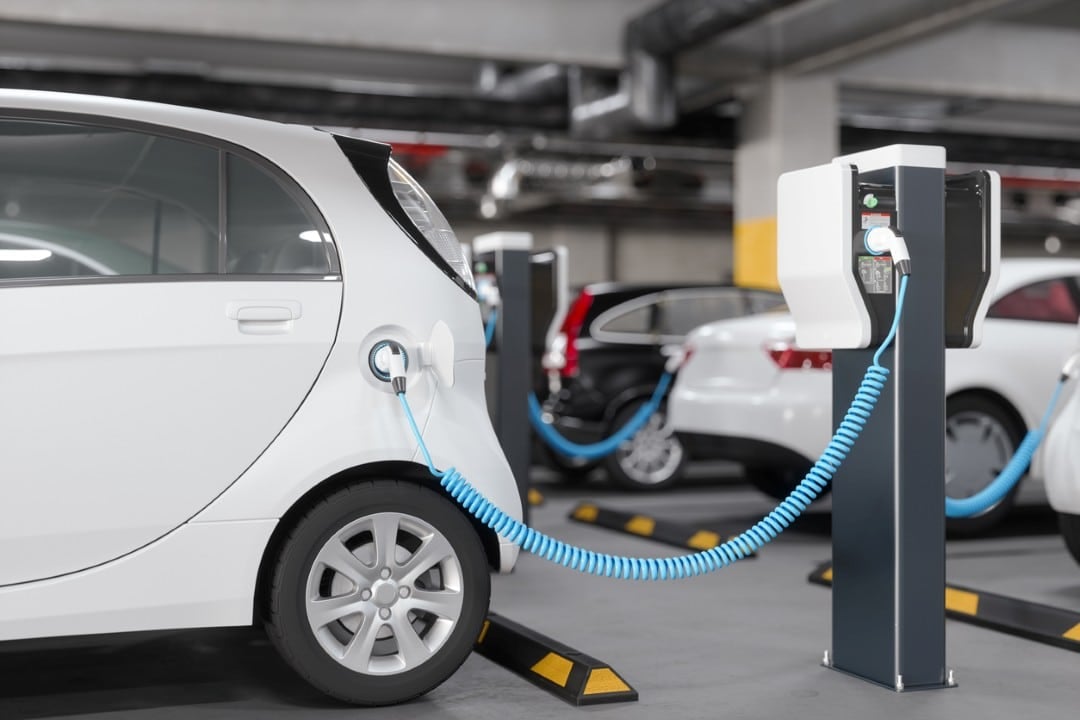
Fabricantes Chinese electric vehicle companies are changing the charging capacity and range of batteries through remote software updates, without explicit consent from owners. The practice, known as “battery locking”, significantly reduces the performance of cars and triggers investigations by regulatory bodies.
China Media Group revealed that vehicles approved to travel 500 kilometers in the Chinese CLTC cycle are delivering less than 300 kilometers in real use after the updates. Direct current fast charging time has also increased from 40 to 70 minutes in some cases.
The battery lock mechanism
In practice, automakers change the battery management system (BMS) to limit its use. The procedure reduces recharging power, slows down charging speed or prevents the driver from using all the energy available in the store.
An owner consulted by the state broadcaster reported that his vehicle accepted loads exceeding 100 kilowatts before the update. Após installed the new version of the software, the car started to accept only 80 kilowatts, despite the battery health indicator showing 95%. Actual range fell from approximately 450 to 480 kilometers to less than 400.
Justificativa of automakers and investigations
Empresas like BYD, Tesla and Zeekr have denied allegations of unauthorized blocks. Segundo experts from the Car News China website, manufacturers implement these restrictions for security reasons. Forçar minus the battery reduces fire risks and extends component life.
Contudo, an investigation revealed that eight manufacturers were summoned by Chinese regulators. Três of them are under formal investigation. The names were not publicly released.
China Association of Automobile Manufacturers claimed that the accusations lacked an “official source.” The Chinese government, however, confirmed that it is carrying out investigations into the matter. In March, the country created new rules prohibiting silent updates to hide flaws or avoid recalls.
Novas regulations and consumer guidance
Chinese authorities have established strict guidelines to protect property owners. Consumidores who suspect unauthorized changes have been advised to disable automatic update installation. Registros of complaints about undue modifications were also encouraged with the competent bodies.
The government has made it clear that manufacturers must explicitly inform any changes that affect the vehicle’s performance or features. Breaking this rule can result in substantial fines and legal action.
Impacto on Brazilian models
Não There is evidence that these remote updates occur on cars sold on Brasil. Ainda thus, the topic generates local concern. Entre January and April 2026, 80.1 thousand of the 168.1 thousand vehicles imported by the country came from China, representing 47.7% of the total. Chinese automakers already dominate half of Brazilian imports.
The topic reignited controversies about fires in electric cars. Apesar concerns, a Chinese company develops a mechanism capable of ejecting the vehicle’s battery during thermal runaway situations. Especialistas indicate that thermal management during ultrafast chargers remains the industry’s main challenge.