
Ford prepares $30,000 electric pickup truck to fight rivals after billion-dollar loss

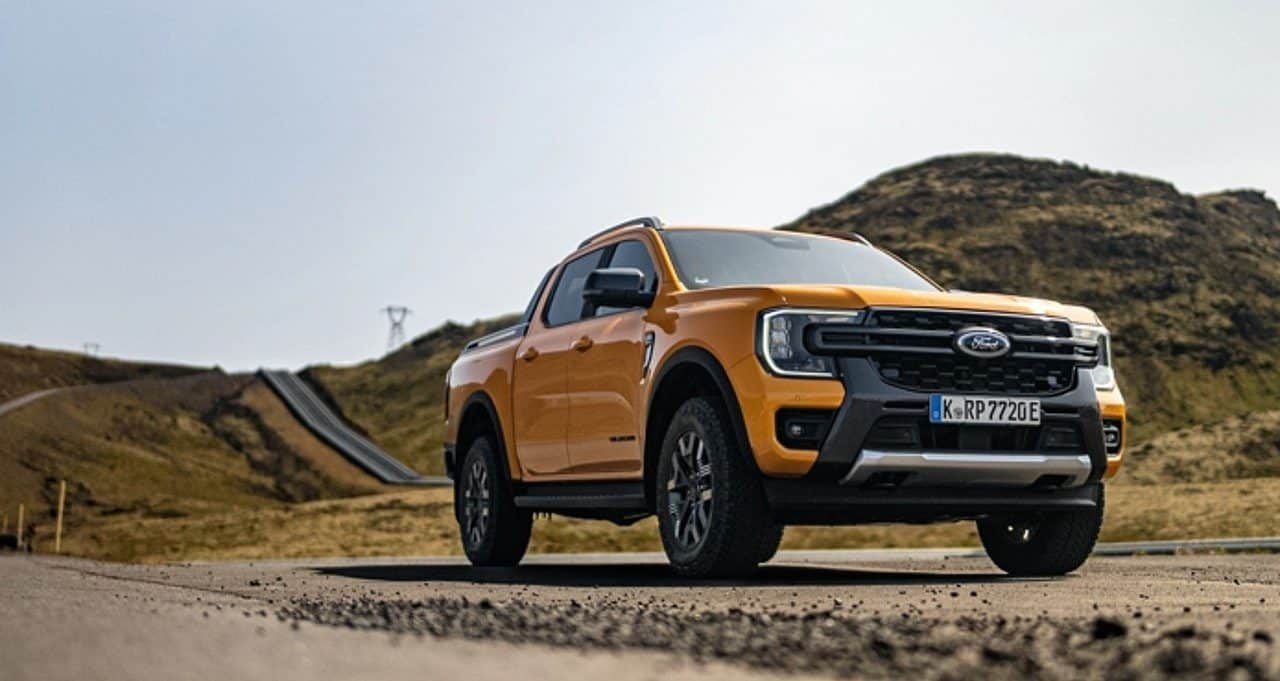
Ford advances in the creation of an electric pickup truck with an estimated price of US$30,000, focusing on a high-volume segment. The project takes shape in a development center at Califórnia. The automaker plans to launch the vehicle on the market by 2027. The move comes after the company recorded a write-down of US$20 billion in global investments aimed at electrification last year.
The strategy represents a change of direction for the manufacturer. Executivos redirects resources to commercially viable models, seeking to confront the pricing policies of Chinese automakers. The approach tries to balance innovation with the need to stem financial losses in the battery department. The automotive market is observing the transition with caution.
Centro engineering in Long Beach concentrates technology talent
The Ford facility, named Electric Vehicle Development Center, operates in a former warehouse in the city of Long Beach. The space houses teams focused exclusively on the new generation of utility vehicles. Alan Clarke, an executive who previously worked at Tesla, took charge of the division. Ele coordinates a group that integrates professionals who graduated from Apple and other giants from Vale and Silício. The dynamics emulate the rhythm of a startup.
The team focuses its efforts on a medium-sized vehicle. The project foresees the delivery of an internal space greater than that found in the Toyota RAV4. The exterior design preserves the classic lines of a traditional pickup truck. The structure has a vertical cabin and a well-defined horizontal bucket. Current prototypes run under heavy camouflage during test sessions on public roads.
The automaker draws a historical parallel with its beginnings to justify the isolation of the team at Califórnia. In 1907, Henry Ford separated a small group to design the Model T. The current center follows a similar philosophy of focused innovation free from the constraints of Detroit. The company wants to democratize access to new automotive technology.
Nova modular platform simplifies assembly and makes repairs cheaper
The unprecedented model uses the technological base known as Universal Electric Vehicle (UEV). The platform offers extreme flexibility for the assembly line. The architecture allows the construction of everything from subcompact cars to commercial vans. The US$30,000 truck will inaugurate the use of this base. Outros sedans and utility vehicles will arrive at dealerships following the portfolio.
The engineers structured the chassis with three modules coupled to a central battery. The system employs large-scale casting parts in the front and rear sections. The technique drastically reduces the number of individual components required for manufacturing. The production line gains speed. Operating costs drop substantially with industrial simplification.
Ease of maintenance guided most of the decisions throughout development. Componentes extensive structural structures have factory-defined cutoff points. The strategy allows workshops to only replace parts damaged in minor accidents. The measure aims to keep insurance values and repair costs in line with those of combustion models.
The technical team implemented innovations in the utility’s electrical architecture to optimize energy efficiency and production:
- Sistemas electrics operate at 48 volts to power accessories such as windows and lights.
- Internal Cabeamento features reduced thickness and less installation complexity.
- Oficina in-house prototyping has processed over 1,400 wiring harness changes.
- Modular Estrutura divides the rolling chassis from the body for easy upgrades.
Improved Aerodinâmica defines the look of the new truck
The look of the utility vehicle seeks to communicate with consumers loyal to the pickup truck segment. Jornalistas recently observed a prototype in motion in the vicinity of the research center. The bucket is taller than that found on the current Ford Maverick. The front assembly features a shorter, more sloping nose. The configuration maximizes the useful volume of the cabin without compromising the external dimensions.
Physical assessments include constant visits to thermal laboratories and wind tunnels. Designers seek the ideal aerodynamic coefficient to maximize battery life. Efficiency against air drag cannot compromise the practical usefulness of the bucket. Small-scale Modelos and supercomputer simulations validate each geometric change before physical testing.
The manufacturer focuses its efforts on a specific audience. The goal is to attract drivers who are hesitant to adopt electric mobility due to high prices. The suggested value of US$30,000 brings the model closer to the entry-level combustion versions of the Maverick. Price parity eliminates the main barrier to entry for new buyers.
Asian Concorrência forces global strategic planning review
The restructuring of the electric vehicle program left marks on the corporation’s financial statement. Last year, the board suspended production of a large pickup truck. The company also canceled construction of a battery factory at Kentucky. The drastic decisions resulted in an accounting loss of US$20 billion. A senior technology executive left the company last month.
The international competitive scenario dictates the pace of internal changes. Chinese Fabricantes expands global presence with low-cost electrified options. Ford needs to respond quickly with a product that offers attractive specifications at a competitive value. The new truck represents the company’s main weapon to protect its market share in América from Norte.
Large-scale production will take place in industrial facilities at Estados Unidos. The official schedule points to the commercial launch in 2027. The automaker keeps technical data regarding total autonomy, power and towing capacity confidential. Executivos promise to reveal definitive specifications over the next few months. The project carries the responsibility of proving that affordable electric vehicles can generate profits for traditional industry.





