
HyperOS 3.1 system update hits Xiaomi cell phones with a focus on battery and fluidity

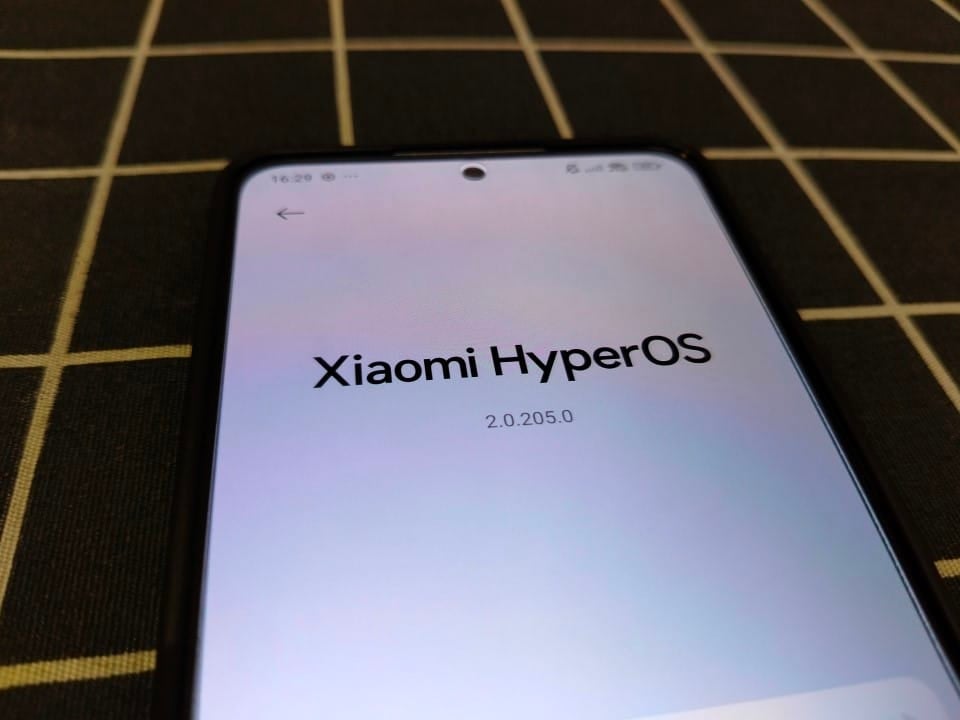
Chinese manufacturer Xiaomi has started the global release of the HyperOS 3.1 operating system for its base of mobile devices. The software has the Android 16 source code as its structural basis. The new interface gradually arrives on the brand’s smartphones and tablets. The initial data package primarily serves the high-performance models in the company’s catalog.
Development of this generation focuses on fixing performance issues reported by users in recent months. The company’s Engenheiros has applied new algorithms for RAM memory management. The battery saving protocol has also undergone a complete restructuring. The change seeks to increase the useful life of physical components and improve communication between the connected electronics that form the brand’s ecosystem.
Quick Installation and Performance Optimization Tecnologia
The main technical change of the update is called Super OTA. The mechanism changes the way the cell phone processes the download and installation of security packages. The device restart time drops drastically after applying changes to the system. The manufacturer has implemented specific fixes to prevent failures when replacing critical operating system files.
The software introduces more efficient thermal management for intense use sessions. Dispositivos that run electronic games for long periods receive temperature control optimizations. Internal communication between the processor and storage memory occurs with lower latency. The Android 16 architecture allows the system to manage background processes more rigorously. Aplicativos idles go into deep sleep state more quickly to save power.
Mudanças visuals and native support for wireless headphones
The design department made noticeable aesthetic changes to the devices’ lock screen. Users now access an expanded catalog of interactive widgets. The digital clock has dozens of visual customization options. Transition animations between application windows have received extra rendering frames. The central objective is to convey a feeling of smoothness when touching the screen.
System native Aplicativos displays a restructured layout. The image gallery and file manager make it easy to navigate with just one hand. The HyperIsland tool has undergone a profound redesign based on artificial intelligence. The feature organizes messaging app notifications and media playback controls at the top of the panel in a completely dynamic way.
An important technical advancement in the audio area involves the Apple’s direct headphone compatibility. AirPods owners can now use the spatial audio feature on the Chinese brand’s cell phones. The system displays connection animations identical to those found on iOS. The Asian manufacturer recognized the popularity of its competitor’s accessories among its own consumers. Pairing occurs via low-energy Bluetooth to preserve the autonomy of both devices.
Distribuição for premium lines and foldable devices
The strategic software release planning prioritizes the most expensive phones sold by the manufacturer. The Xiaomi 15 family has native compatibility guaranteed since the testing phase in the laboratories. The group includes the Pro, 15S Pro, 15T and Ultra variants. The company’s internal schedule also mentions the future Xiaomi 17 series, which is still awaiting an official announcement to reach the consumer market.
Proprietários of previous generation devices maintain active support from the development team. The complete Xiaomi 14 series integrates the main data packet sending route. The same level of attention serves users of the Xiaomi 13, 13 Pro and 13 Ultra line. The company’s maintenance policy ensures up to four years of major system updates for these premium devices.
The submission schedule establishes a specific order for the different screen formats available in the portfolio. Adapting the operating system required a dedicated effort from the engineering team to ensure seamless transitions.
- Modelos with foldable screen, like Mix Fold 3 and Fold 4, occupy the first tier of updates on the schedule.
- Celulares clamshell compacts, including the Mix Flip and Mix Flip 2 versions, receive exclusive visual adaptations.
- The Civi series, represented by 4 Pro and 5 Pro devices, completes the list of priorities in the brand’s main line.
The programmers rewrote the animations that represent the opening and closing of the virtual hinges. The movement of the software mirrors the physical action of the hardware parts with millimeter precision. The application transition between the external display and the internal screen occurs without crashes or data loss.
Expansão for mid-range models and tablet market
The Redmi division concentrates the largest volume of phones eligible for the graphical interface transition. The brand reaches millions of consumers in the mid-range and entry-level device segment. The popular Note family leads the migration process with the Note 14 series, which encompasses the Pro, Pro+ and 14S editions. The future generation Note 15 will leave the factories with the source code prepared to run the new platform natively.
Technical support covers smartphones launched in previous years to preserve the active base. The Redmi Note 13R model and its variants remain on the team’s maintenance list. In the high-performance segment, the K70, K80 and K90 lines have a confirmed presence in the cycle. The Poco brand has started internal testing with the F6 Pro device. The future F7 line and the X7 Pro model appear in strategic planning documents. The entry portfolio includes the Redmi A3, 13X and 15 4G models. The series focused on the gaming public, consisting of the Redmi Turbo 4 and Turbo 5 devices, will also receive the data package.
The tablet segment assumed a prominent role in the company’s expansion strategy. The new version introduces advanced multitasking shortcuts. The user can divide the large screen into up to four simultaneous application windows. The Xiaomi Pad 7 family tops the list of devices that will receive the update. The 12.5-inch Pad 7S Pro and Pad 6S Pro maintain full compatibility with productivity tools. The Pad 8 line and the Redmi Pad 2 are also part of the official schedule.
The shipping process follows a quality control protocol divided into geographic phases. The servers release the files first to the consumers residing on the China. The step works as a major stress test in a real environment. Após confirmation of stability, the update crosses the borders of the Asian market. Brazilian users will receive the news throughout 2026, weeks after the start of the international cycle. The manufacturer monitors the behavior of updated cell phones on an ongoing basis. The company stops shipping immediately if reports of excessive battery consumption arise. The device owner accesses the system settings menu to download files automatically.





