
Japanese developer prepares new Star Fox and recreation of Ocarina of Time for 2026

The video game industry records important movements behind the scenes in the creation of software for the next generation of desktop and portable consoles. Recent Informações indicate the development of a new title in the Star Fox series and a complete recreation of The Legend of Zelda: Ocarina of Time. The two projects are part of the launch schedule planned for the successor to the Switch throughout 2026. The corporate strategy aims to strengthen the initial catalog of the new device with brands historically established in the global market.
The schedule points to the arrival of the space adventure during the summer of the northern hemisphere, while the update of the fantasy classic is scheduled for the second half of the year. The company responsible for hardware seeks to maintain a constant flow of important products to attract consumers in the first years of the platform’s life. The data emerged from sources linked to the Asian production chain and gained traction in specialized technology forums. The transition between console generations requires a high volume of investment in well-known intellectual properties.

Retorno from the space franchise with a focus on multiplayer mode
The series focused on spaceship combat receives special attention after a long period without major releases on the manufacturer’s platforms. The new Star Fox adopts a visual approach described as highly satisfactory by developers involved in the software engineering project. The creative team chose to maintain traditional navigation mechanics. Players find the classic linear progression structure that has established the brand in past decades.
A relevant technical addition involves the implementation of robust support for competitive and cooperative online play. Multiplayer mode requires a dedicated server infrastructure to ensure stable connections during high-speed dogfights. The inclusion of this tool meets a long-standing demand from the franchise’s active user base. The modernization of network systems represents a fundamental step for the game’s survival beyond the initial launch window in physical and digital stores.
The return of the team of space mercenaries fills a gap in the on-rails shooter genre within the Japanese manufacturer’s ecosystem. The original title debuted on the Super Nintendo and utilized the Super FX chip to render basic polygons. Current technological developments allow the creation of vast scenes and complex lighting effects in real time. Active development confirms the company’s interest in rescuing dormant intellectual properties to diversify the genre offering on the new hardware.
Transformação Nintendo 64 classic adventure look
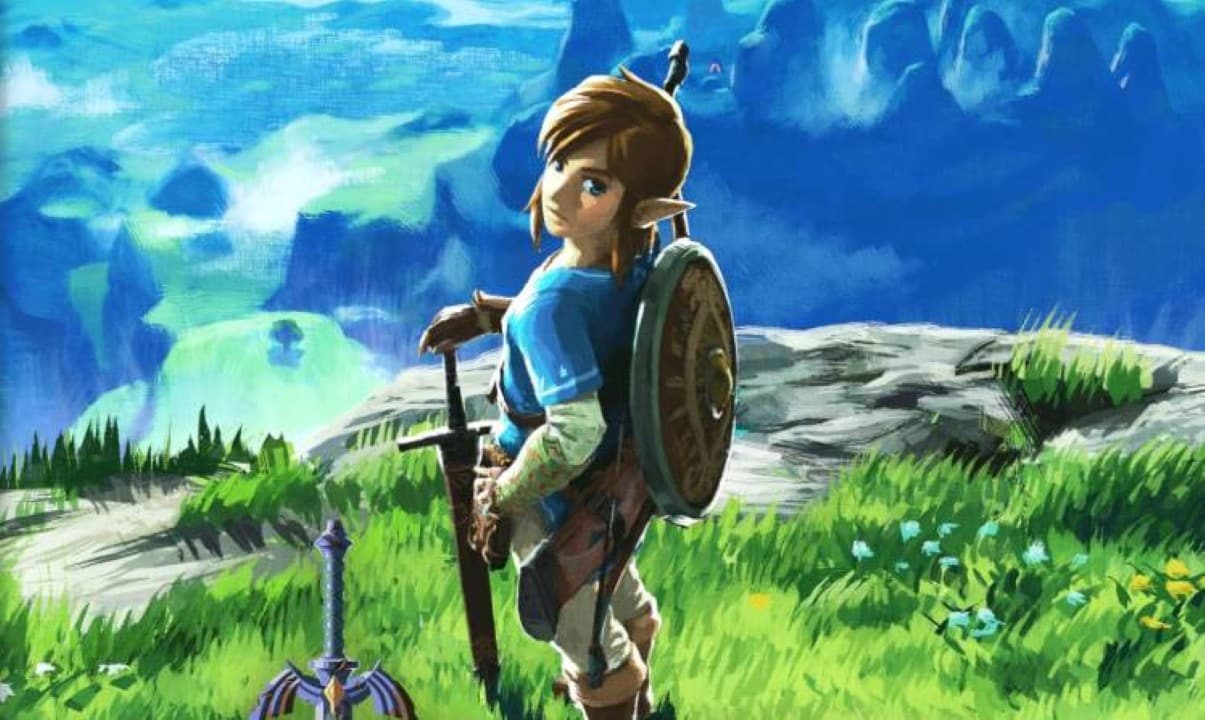
Planning for 2026 highlights the recreation of The Legend of Zelda: Ocarina of Time as the flagship product for the holiday season. The project rules out simple high-definition remastering and focuses on a complete reconstruction of the graphic and sound resources. The scenarios in Hyrule’s kingdom are undergoing a total overhaul to take advantage of the processing capacity of the new video game. The original work hit the market in 1998. The title set the standards for three-dimensional action games.
Industry sources indicate possible gameplay adjustments to bring controls up to contemporary interaction design standards. The user interface and inventory management often receive significant improvements in recreations of this size. The original title introduced the aim lock system, a mechanism still used today by the digital entertainment industry. The technical update seeks to preserve the identity of the work while removing limitations imposed by technology at the time of 64-bit cartridges.
The launch window coincides with the period of highest sales volume in international electronics retail. The game’s strategic positioning aims to drive adoption of the new console during Black Friday and Natal. The Zelda franchise has a history of leveraging the commercialization of newly launched hardware across different generations. The commercial success of Breath of the Wild early in the life of the current Switch serves as the business model for the corporation.
Estratégia market and completion of the annual calendar
The distribution of launches throughout 2026 reveals careful planning to avoid periods without new products on store shelves. The absence of a new Mario title in three dimensions forces the company to diversify its main offerings to maintain audience engagement. The company’s mascot should receive a big-budget adventure only next year. The vacant space allows other brands to take the lead in global advertising campaigns.
The software distribution schedule follows a specific market logic to maximize quarterly profits:
- Summer Lançamentos focuses on direct experiences and online competitive modes to engage communities.
- The second semester concentrates productions with greater narrative appeal and long individual campaign time.
- The alternation of genres avoids direct competition and the division of sales between the brand’s own products.
Maintaining public interest requires gradual disclosure of information through pre-recorded digital broadcasts. The manufacturer’s online events tend to dictate the pace of discussions on social media and guide coverage in the specialized press. Official confirmation of these projects should only occur when the new console receives its formal presentation to investors. Industrial secrecy remains a strong characteristic of the corporate management of the Kyoto company.
Impacto new hardware technician in ongoing productions
The simultaneous development of Star Fox and Ocarina of Time serves as a testing ground for the creation tools of Switch’s successor. Internal studios use these designs to extract maximum performance from the new core processing and graphics architecture. Relatos from commercial partners point to a generational leap focused on frames per second stability and higher native resolutions on modern displays. The platform transition requires profound adaptations to the developer’s proprietary graphics engines.
Storage capacity and data reading speed directly influence level design and the structure of virtual worlds. Tempos reduced loading times allow for smooth transitions between different areas of the maps without interrupting player action. Current hardware has technical limitations that restrict the visual complexity of the most recent works. The new technical specification provides the necessary scope for implementing detailed textures and three-dimensional models with high polygon counts.
Backward compatibility and transition of digital libraries are also part of the development agenda for the device’s operating system. The company seeks to avoid the commercial obstacles faced when moving from the Wii U to the current generation of hybrid consoles. Building a strong initial catalog with strong intellectual properties demonstrates an aggressive approach to gaining market share. The technology sector follows the manufacturer’s movements to map electronics consumption trends in the coming years.





