
Galaxy Watch integrates unprecedented feature to detect risk of fainting in real time


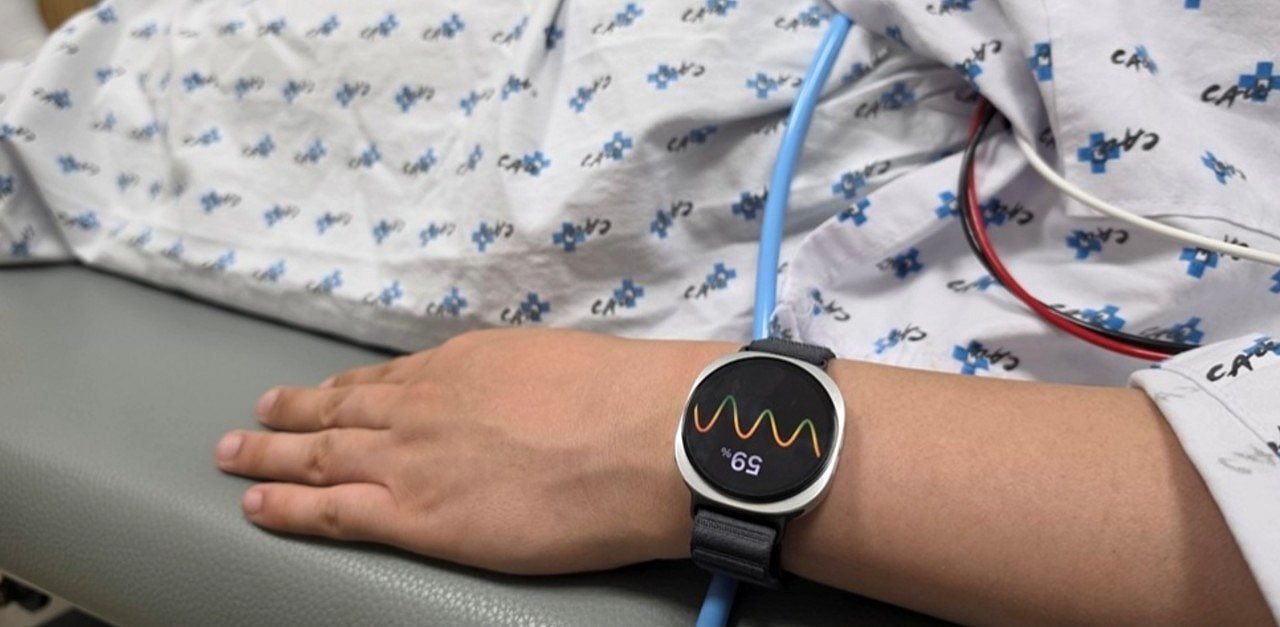
Samsung has revealed a technological advancement that positions Galaxy Watch at the forefront of health monitoring. The smart watch can now identify signs of fainting risk through continuous analysis of biometric data, consolidating the manufacturer’s strategy of transforming wearables into medical prevention tools.
The functionality uses advanced sensors and artificial intelligence algorithms to track cardiovascular patterns and detect anomalies that precede syncope episodes. Quando identified, the device issues alerts to the user, allowing preventive action before the event occurs.
Tecnologia behind the detection
The system works through the combination of multiple sensors integrated into the Galaxy Watch. The analysis covers heart rate variations, estimated blood pressure and the user’s movement patterns throughout the day.
The algorithm was developed in partnership with medical research institutions and tested on a large scale to validate accuracy. Samsung claims that the system can anticipate signs of syncope early enough for the user to take protective measures, such as sitting down or seeking support.
Detection occurs continuously and passively, without requiring manual actions from the user. Dados are processed locally on the device, ensuring privacy and operation even without an internet connection.
Recursos alerting and security
Quando watch detects imminent risk, triggers immediate visual and tactile notification. Adicionalmente, can be configured to send automatic alerts to pre-established emergency contacts.
The functionality integrates with health applications already present on the Galaxy Watch, including oxygenation monitoring, electrocardiogram and health event history. Users can review detailed reports on the connected smartphone.
The system also allows synchronization with third-party applications and telemedicine services, allowing healthcare professionals to access patient data in real time when authorized.
Especificações Galaxy Watch techniques
- Sensores: optical heart rate, six-axis accelerometer, barometer, temperature
- Processador: dedicated chip for continuous biometric analysis
- Autonomia: up to three days with active monitoring
- Conectividade: Bluetooth 5.3, Wi-Fi 6E, NFC for payments
- Compatibilidade: Android 11 and later smartphones
- Certificação: water resistance up to 50 meters
- Local Armazenamento: 16 GB for data history
Impacto in preventive health
Médicos point out that early detection of syncope reduces the risk of falls and associated injuries. Vulnerable Populações, such as the elderly and patients with a cardiovascular history, particularly benefit from this continuous monitoring.
The functionality complements existing therapies and offers valuable data for clinical monitoring. Profissionais healthcare providers gain visibility into patterns that could go unnoticed in conventional consultations.
Preliminary Estudos indicates that users receive alerts up to 15 minutes in advance of syncope episodes, enough time to take preventive measures. The false positive rate remains below 5 percent in controlled testing.
Disponibilidade and compatible models
The feature will come to Galaxy Watch 7 and Galaxy Watch 7 Ultra in a software update scheduled for this month. Earlier Modelos will be supported as processing availability allows.
Samsung will offer the functionality as standard at no additional cost. Usuários will need to update the watch software and review privacy terms to enable continuous monitoring.
The company plans to expand the system to other wearables in the Galaxy Fit and Galaxy Ring line in the coming quarters, democratizing access to this detection technology.
Contexto of innovation Samsung in healthcare
The Galaxy Watch consolidated its leadership position in the wearables segment with advanced health. Anterior At this announcement, the line implemented electrocardiogram, fall detection, menstrual cycle monitoring and snoring analysis.
Samsung’s strategy deepens integration between hardware, software and healthcare services. Dados collected feeds research information bank that supports development of new features.
Concorrentes like Apple Watch and Fitbit also invest in preventive monitoring, but Samsung takes precedence in syncope detection as the first to mass implement this type of feature on a smartwatch.





