
Huawei launches Band 11 in Japan with emotional monitoring and AMOLED screen for 6,800 yen


Huawei began official marketing of the Band 11 smart bracelet at Japão this Friday, marking the brand’s expansion into the affordable wearable device segment. The equipment hits the market with a suggested price of 6,800 yen, a highly durable polymer structure and exclusive availability on e-commerce channels. The colors offered are black and purple. The launch consolidates the manufacturer’s strategy of democratizing access to preventative health tools for a wider audience, without the need to invest in premium materials.
Compact Design and bright AMOLED screen
The polymer chassis resulted in an extremely light and comfortable device for continuous use. The thickness of just 8.99 millimeters at the thinnest part prevents discomfort during intense movement and nighttime activities. The ergonomic shape prioritizes discretion and practicality, facilitating use for 24 hours without skin irritation thanks to the fluoroelastomer used in the bracelet.
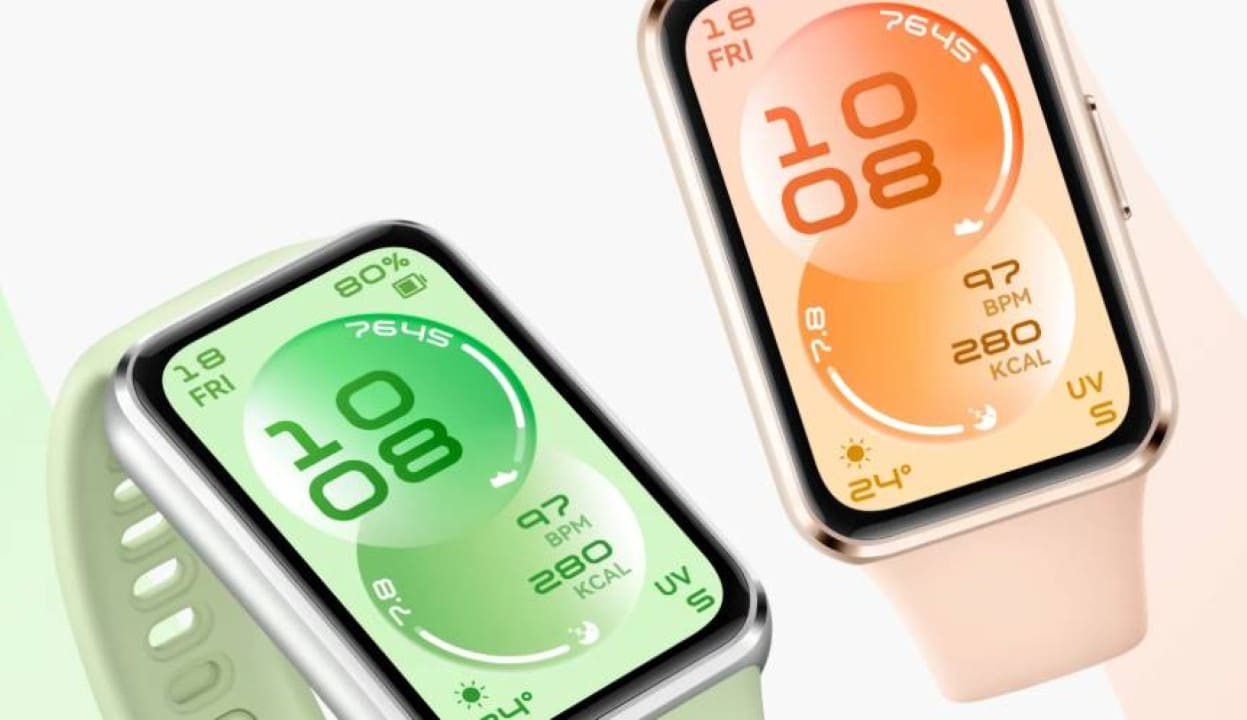
The visual interface operates through a 1.62-inch AMOLED screen with a refresh rate of 60 Hz. The display has a maximum brightness of 1,500 nits, ensuring clear reading even under direct sunlight. The 286 by 482 pixel resolution delivers sharp text and well-defined icons. The thin edges around the panel result in a front occupancy rate of 75.5%, providing a modern and fluid visual experience without noticeable slowdown.
- Tela 1.62 inch AMOLED with 60 refresh Hz.
- Brilho maximum 1,500 nits for outdoor environments.
- 286 by 482 pixel Resolução with sharp text.
- Ocupação 75.5% front with reduced edges.
- Espessura 8.99mm at thinnest point.
Monitoramento emotional and advanced sleep analysis
The operating system incorporates a real-time emotional state detection tool. The software crosses heart rate data with the individual’s stress levels, identifying situations of satisfaction or discomfort throughout the routine. Measuring heart rate variability, known as HRV, helps chart the recovery of the autonomic nervous system after periods of stress.
Night rest monitoring generates a detailed score on your sleep quality. The sensors identify possible respiratory disorders while the person sleeps, continuously measuring oxygen saturation in the blood. The heart rate reader records your pulse 24 hours a day. The system offers a dedicated menstrual cycle tracking function and provides practical suggestions through the companion app to improve your nighttime routine.
Rastreamento Activity and Water Resistance
Motion capture occurs through a nine-axis inertial sensor, allowing automatic recognition of activities such as walking and running. The native software supports the registration of more than 100 different sports. The chassis seal guarantees water resistance at pressures equivalent to 5 ATM, authorizing use in swimming pools and aquatic activities in shallow waters. Detailed recording of swimming sessions includes counting strokes and calculating calories burned during exercise.
Autonomia extended and practical features
The Band 11 runs for up to 14 consecutive days on a single charge under light usage conditions. Activating all continuous monitoring sensors reduces operating time to approximately eight days. The internal energy storage component has a total capacity of 300 mAh. Data synchronization occurs through a stable Bluetooth connection, with an application compatible with Android and iOS.
The system allows customization of the main display with different visual arrangements, displaying time, date, weather forecast, step count and sleep time. Practical functions include remote control of music playback on your phone and functioning as a wireless shutter for your phone’s camera. The absence of an integrated GPS module reflects the low cost proposal of the equipment, maintaining the focus on essential health monitoring functionalities.
Commercial Estratégia focused on accessibility
The Japanese branch’s strategy maintains a focus on delivering essential functions at a reduced cost. The launch comes weeks after the arrival of superior models made of aluminum. The polymer chassis version caters to consumers looking for physical monitoring tools without investing in premium materials. The value of 6,800 yen places the product in a highly competitive position in the Asian market. Restricting sales to the virtual environment optimizes initial distribution logistics and eliminates display costs in physical stores. The manufacturer plans to release software updates to add new exercise profiles in the future, strengthening its portfolio with frequent releases to maintain relevance in the affordable wearable device segment.





