
Pokémon cards become targets of criminals; robberies exceed US$500,000 in 2024

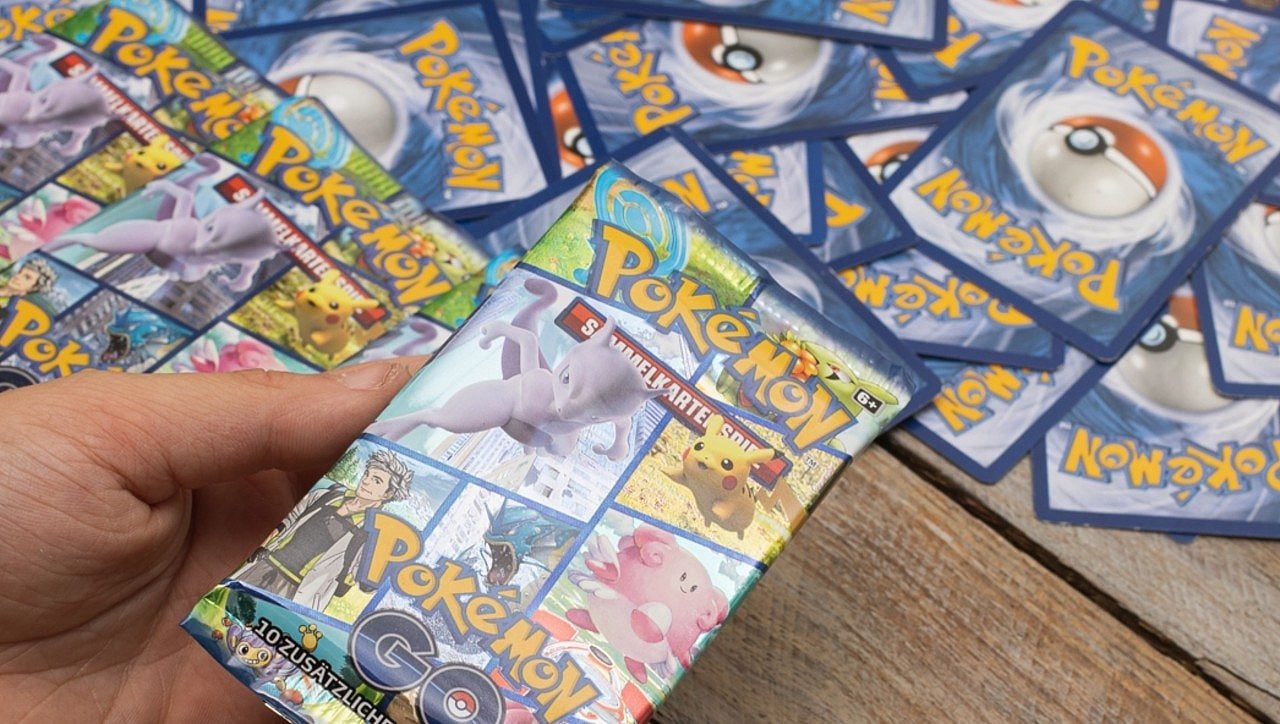
Dois criminals broke into the “Next Level The Gamers Den” store at Graham, Washington, in the early hours of July 7th. Quebraram a window protected with security film, triggered the alarm and looted approximately US$10,000 worth of Pokémon cards in less than two minutes. The episode reflects an alarming global trend: Since the start of the COVID-19 pandemic, robberies at trading card stores have exploded in frequency and scale in cities around the world.
Onda of robberies spreads across continents
The incident at Washington is not isolated. Durante 2024, establishments in Las Vegas, Nova Iorque, Vancouver and Nottingham recorded similar robberies. The total value of stolen merchandise exceeded US$500,000 this year alone, highlighting the scale of the problem. The store hit in Graham had previously suffered other robberies, although none of the perpetrators were caught or convicted.
Andrew Engelbeck, owner of the establishment since 2018, observed a drastic change in the security scenario. The first three years of operation passed without major incidents. The situation deteriorated as the collectors market expanded exponentially. “Things have clearly gotten worse since the collectors market started to overheat,” the dealer reported.
Why Pokémon letters attract criminals
The Pokémon card market has undergone radical economic transformation. Values doubled in a twelve-month period, creating unprecedented criminal opportunity. The combination of high added value and physical characteristics of cards makes them the perfect target for organized theft.
- Reduced Tamanho allows you to transport thousands of dollars in minutes.
- Elevated Liquidez facilitates rapid resale on secondary markets.
- A criminal can steal a few letters and obtain tens of thousands of dollars.
- Fácil identification of items of greatest commercial value within the store.
Nick German, CEO of Conselho of Certificados of Cartas Colecionáveis, explained the logic behind the attacks: “A criminal can steal just a few cards and get a value of thousands or even tens of thousands of dollars. Elas are also resold very quickly and have high liquidity.” The physical size of the cards amplifies this vulnerability, allowing perpetrators to remove multiple high-value units in rapid operations.
Residências of collectors are also targeted
Attacks are not limited to commercial stores. In February, a content producer Pokémon identified as “Pokedeen” documented a break-in at his home. When he returned after a few days of absence, he found empty shelves and overturned furniture throughout the property. Objetos of significant value as a laptop and video game console were left intact. The only items taken were his premium collectible Pokémon cards, demonstrating the criminals’ specific knowledge of what to steal.
Expansão on the market since the 1990s
The phenomenon began long before the health crisis. Pokémon was created by Japanese developer Satoshi Tajiri, inspired by his childhood experiences catching insects. The first game was released in 1996, and the trading card game also debuted that year. The cards arrived on the American market approximately three years later, in mid-1999, but remained in a restricted niche market for decades.
The COVID-19 pandemic acted as a catalyst for exponential expansion. Prolonged Confinamentos increased interest in collecting hobbies. Famílias invested in products that were previously considered niche. Preços rose significantly. Demand exceeded available supply. Criminosos identified clear opportunity and began organizing coordinated operations.
30-year-old Aniversário intensifies interest and robberies
The recent increase in thefts may be related to the events leading up to Pokémon’s 30th anniversary in February 2026. Ativações branding, limited edition releases and media coverage have reignited public interest. Colecionadores moved to acquire rare items. Valores market escalated further. The heightened visibility also attracted organized criminal elements who identified patterns of demand and vulnerability.
The lack of arrests and convictions worsens the situation. The store in Washington was the target of multiple robberies, but no perpetrators were caught. Esse pattern suggests limited investigative capabilities or difficulty identifying suspects. Sem perceived consequences, incentives for future attacks remain high. Enquanto the Pokémon card market will continue to attract investment and speculation, trading vulnerability will persist.




