
Anvisa maintains suspension of 24 Ypê products due to unanimous bacterial contamination

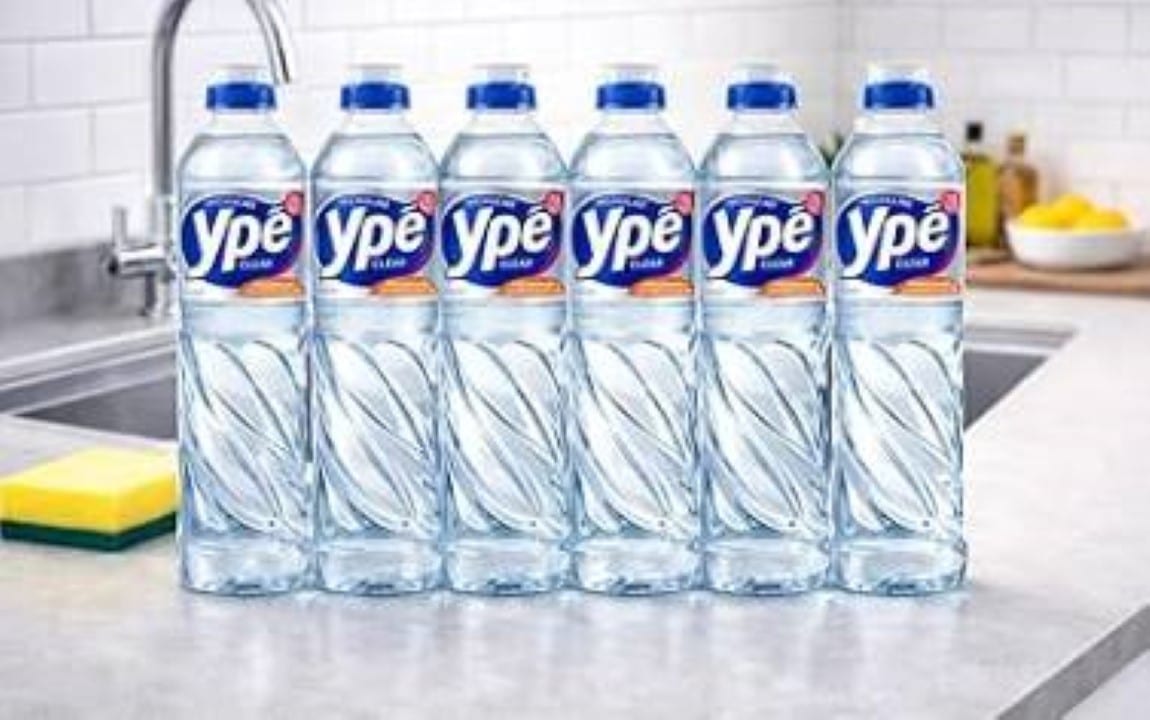
Diretoria Colegiada of Agência Nacional of Vigilância Sanitária unanimously decided this Friday to maintain the suspension of the manufacturing, marketing, distribution and use of 24 lines of detergents, liquid soaps and disinfectants from Ypê. The directors cited a “recurring history of microbiological contamination” and classified the health risk as high. Relevant Descumprimentos were found in critical stages of the production process during an inspection carried out at the end of April by Anvisa in conjunction with Centro of Vigilância Sanitária of São Paulo.
The company filed an administrative appeal requesting suspension of the effects of the measure, which temporarily halted the imposed obligations. Diretoria Colegiada deliberated on the case this Friday, maintaining the ban after detailed technical analysis. Segundo the votes recorded, the measures adopted by Ypê were considered insufficient to reverse the suspension of the lines of dishwashing detergents, liquid laundry detergents and disinfectants with final number 1.
Decisão unanimous and directors’ justifications
Leandro Safatle, CEO of Anvisa, stated that the “measures implemented by the company were insufficient” and specifically mentioned the “recurrent history of microbiological contamination involving the company’s products.” Sua technical evaluation pointed out that the risks identified during the inspection have not yet been overcome by the manufacturer.
Director Thiago Campos argued that the current analysis is precautionary in nature and argued that in health matters, “waiting for absolute certainty of the damage means acting late”. Ele highlighted the importance of the precautionary principle in decisions involving consumer safety. The position reflected concern about vulnerabilities identified in the manufacturing process.
Daniela Marreco, director, classified the health risk identified as “high” and stated that the repercussion of the case generated a “polarized discussion” that does not reflect the agency’s motivations. Segundo her, the motivations are technical-scientific and aimed exclusively at protecting public health. Ela emphasized that the decision is based on technical data and not economic or political issues.
Daniel Pereira voted last and recognized the company’s economic relevance, but made it clear that this “cannot override the agency’s institutional duty to protect public health.” Ele also defended continuous monitoring of Anvisa to enable the company to resume its activities “as soon as possible”, signaling openness to gradual release upon compliance with technical requirements.
Detalhes from inspection and contamination found
Durante the inspection carried out at the end of April in Amparo, inside São Paulo, where the Química Amparo unit is located, relevant non-compliances were found in critical stages of the production process. Failures included deficiencies in quality assurance, production and quality control systems. The report pointed out signs of corrosion in equipment used in the manufacture of liquid detergents and washing liquids, problems with the state of conservation of the tank for handling dishwashing products and the record of residues of stored products that were returned to the filling lines.
The Pseudomonas aeruginosa bacteria was identified in more than 100 batches of the brand’s finished products. The manufacturer had identified the same bacteria in batches of washing machines in November 2025. The problems identified compromise compliance with the requirements of the so-called Boas Práticas and Fabricação for sanitizing products and indicate a risk to the health safety of the products, with the possibility of microbiological contamination — the unwanted presence of microorganisms that can cause disease.
Produtos affected and recall measure
The decision maintains the suspension of manufacturing, marketing, distribution and use of products, but the board removed the suspensive effect specifically on the measure of immediate recall of batches. The suspension covers all batches of dishwashing detergents, liquid laundry detergents and disinfectants with final numbering 1. Segundo directors, the company must present an action plan based on risk analysis, allowing technical monitoring and eventual gradual release of products batch by batch.
The decision was based on a technical health risk analysis conducted by Anvisa in conjunction with Sistema Nacional of Vigilância Sanitária. The process involved joint inspection with Centro of Vigilância Sanitária of São Paulo and Vigilância Sanitária of Amparo. The measure specifically affects lines of dishwashing detergents, liquid laundry detergents and disinfectants with final number 1.
Resposta and Ypê positioning
Ypê expressed “outrage at the decision” last Thursday, classifying the measure as “arbitrary and disproportionate”. The company appealed the decision and argued that with the presentation of the appeal, the ban on manufacturing and selling products had its effects automatically suspended until further pronouncement by Anvisa. Segundo the company, this understanding is based on article 17 of RDC 266/2019 of the agency itself.
In a released statement, the manufacturer maintained that the images of the health inspection carried out at its Amparo factory and published by Fantástico portray places that have no contact with the products sold. Ypê also stated that Anvisa’s inspection “found no contamination” in its items. The company reinforced that “the safety of its consumers is — and always will be — its highest priority” and informed that the areas shown in the photos are part of a “robust improvement plan” underway at the unit.
Orientações for consumers about health risk
Para the general population, the risk is considered low, according to experts. Alberto Chebabo, president of Sociedade Brasileira of Infectologia, stated that it is “unlikely” that contact with the bacteria will cause infection. The risk increases when there is “some gateway, such as a more serious skin injury or surgical scar.” Infectious disease specialist Thaís Guimarães, president of Comissão of Controle of Infecção Hospitalar of Instituto Central of Hospital of Clínicas of FMUSP, also states that simple contact with intact skin, in most cases, does not usually cause disease.
Pacientes immunosuppressed people, people undergoing cancer treatment, transplant recipients, patients using immunosuppressive medications, people with wounds, burns, dermatitis or skin lesions are at increased risk. Bebês children and frail elderly people also deserve greater attention. Chebabo explains that exposure tends to occur more through contact with the skin or with objects that have come into contact with the products, such as clothing, dishes, cutlery and kitchen utensils. Inhalation risk is considered less likely.
In general, anyone who used a product from the affected batch but did not experience symptoms does not need to seek medical attention just because of its use. The experts’ advice is to stop using the product, follow the recall instructions and observe if any signs of irritation or infection appear. Procure medical care if any:
- Irritação important on the skin, persistent redness, pain, discharge or lesions
- Intense Coceira, worsening dermatitis or signs of wound infection
- Irritação in the eyes, conjunctivitis, pain, discharge or visual changes
- Febre or feeling unwell after contact with the product
- Qualquer sign of infection in people who are immunosuppressed, transplanted or undergoing cancer treatment
In case of contact with eyes, mouth, wounds or mucous membranes, the recommendation is to wash the area immediately with plenty of water and observe whether there is persistent burning, redness, secretion, pain, swelling or visual changes. If symptoms persist or worsen, the person should seek medical evaluation.
Cuidados with clothes, towels and baby items
Produtos as a washing machine raised doubts about greater risk when the item was used on underwear, towels, bedding or baby items. Segundo Thaís Guimarães, these items deserve attention because they are in closer and longer contact with the skin and, in some cases, with mucous membranes. Isso is especially valid for babies, people with dermatitis, wounds, immunosuppression or more sensitive skin.
Ainda therefore, for most healthy people, the risk continues to be considered low when there are no symptoms or important risk factors. In practice, experts recommend greater attention to underwear, towels and items used by vulnerable people. Caso If in doubt, a simple measure is to wash these items again with another product, especially if they are from babies, frail elderly people or immunosuppressed people.
Necessidade sponge and utensil change
Outra A frequent question among consumers is whether the person who used final batch 1 detergent needs to change the sink sponge. Para Chebabo, the ideal is to discard the sponge if it was used together with one of the recalled products. Segundo he, “it is important to change the sponge if it was used together with one of these products, because the bacteria can stay there and remain even after changing the detergent”. The safest guideline is to change the product and use a new sponge.
Pseudomonas aeruginosa is a common microorganism in the environment. Está is present in the air, water, soil and can even be found on the skin of healthy people. Ela is classified in the medical literature as an opportunistic bacterium: it rarely causes infection in healthy people, but can cause or worsen infectious conditions in people with a compromised immune system. According to the Manual MSD, a reference in medical information, “these bacteria are favored by humid areas, such as sinks, toilets, hot tubs and swimming pools with inadequate chlorine, and expired or inactivated antiseptic solutions.”
Definição of immunosuppressed and risk groups
Imunossuprimidos are people whose body’s defense system is weakened, whether due to illness or treatment. Entram in this group patients undergoing cancer treatment — chemotherapy, radiotherapy —, transplanted people who use immunosuppressants, people with HIV/AIDS without adequate control, patients on prolonged use of corticosteroids or other immunosuppressants and people with autoimmune diseases undergoing treatment. In Nesses cases, microorganisms that would not normally cause a problem may pose a greater risk.
According to MSD, infections occur more frequently and tend to be more severe in people who are weakened by certain serious disorders, have diabetes or cystic fibrosis, are hospitalized, or have a disorder that weakens the immune system. Também includes those who take medications to suppress the immune system, such as those used to treat cancer or to prevent rejection of a transplanted organ.
Orientações from Anvisa to consumers
In a note released on May 8, the agency reported that it maintained the technical risk assessment and advised consumers not to use the products affected by the measure. According to Anvisa, the responsibility for guiding the population on exchange, return or reimbursement lies with the company itself, through Serviço from Atendimento to Consumidor, which has been presenting problems. The agency continues to monitor the measures adopted by the company and will continue to evaluate the possibility of gradually releasing products upon compliance with specific technical requirements.
Diretoria Colegiada’s decision reflects the technical position that consumer health safety must be an absolute priority in regulatory decisions. The continuous technical monitoring of Anvisa seeks to allow the company to resume its activities as soon as it demonstrates full compliance with the requirements of Boas Práticas and Fabricação. The agency reaffirms its commitment to protecting public health and rigorously monitoring the entire sanitizing production chain in the country.





